



A- Wooden Screw

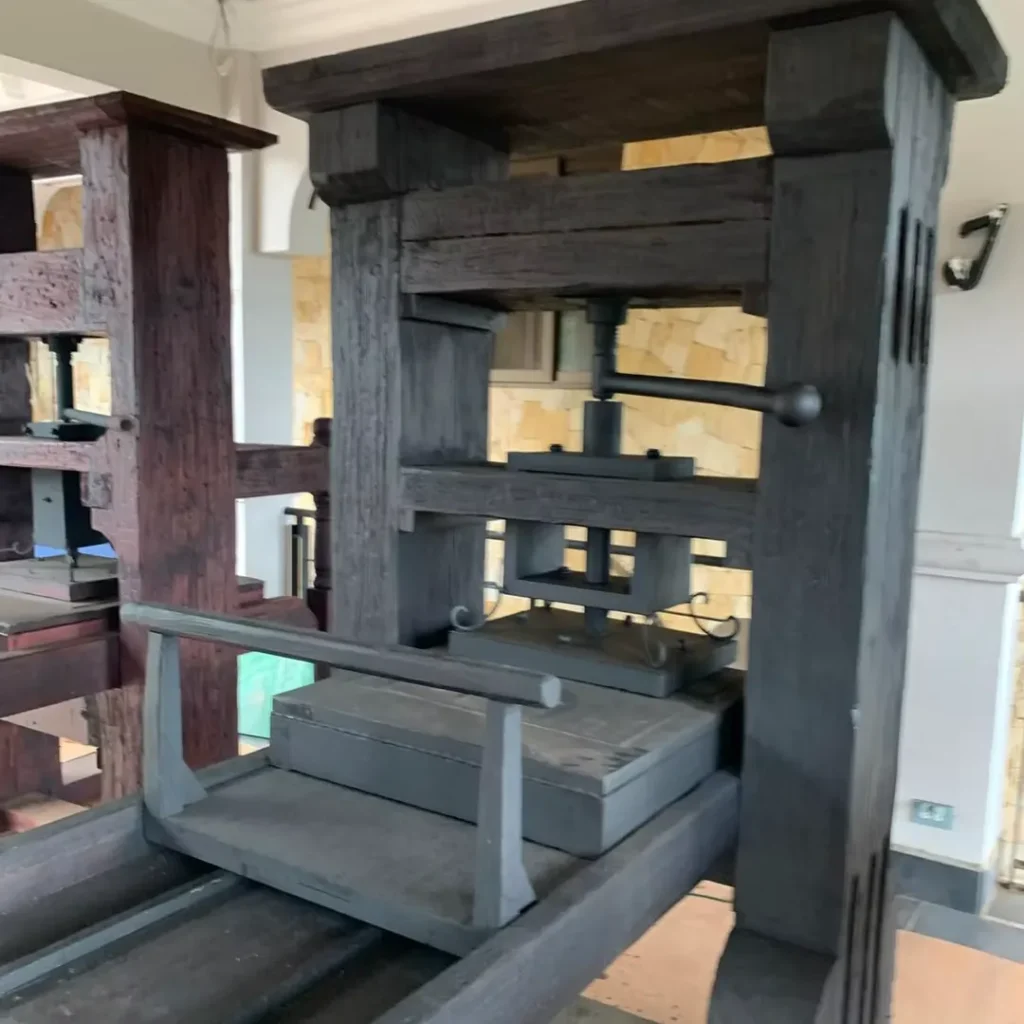
Wooden Screw Press
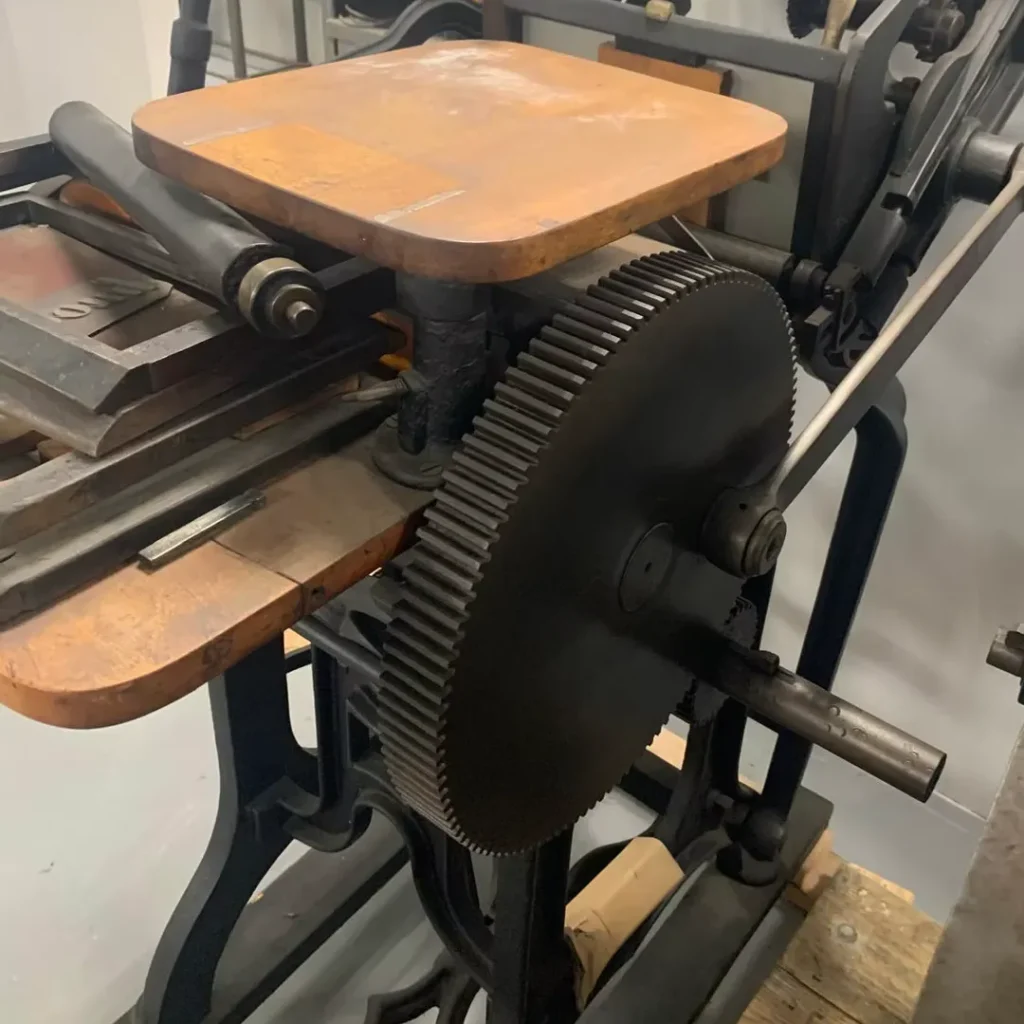
The wooden screw press represents one of the most important early technologies in the history of printing. Long before modern machinery, printers relied on carefully built wooden frames, hand-set type, ink, paper, and pressure to transfer words and images onto the page. This simple but powerful process helped make printed communication more consistent, repeatable, and accessible.
The design of the wooden screw press used a large screw mechanism to lower a flat surface onto paper and inked type. With controlled pressure, the press could create a clear printed impression. Each sheet required skill, timing, strength, and attention to detail, making the work of the printer both physical and highly precise.
Wooden screw presses are closely connected to the era of Gutenberg and the early expansion of printed books. Their influence reached far beyond the print shop, helping spread religious texts, educational materials, scientific ideas, news, and public discussion. This technology played a major role in changing how knowledge moved through society.
At Demers, Gutenberg, Franklin Museum, the wooden screw press helps visitors understand the foundation of printing history. It stands as a reminder that world-changing communication began with handcrafted tools, patient labor, and the determination to preserve and share ideas through the printed word.
Gallery

6-A-1 Cerca 1475. Johan Gutenberg. Germany fabrication.

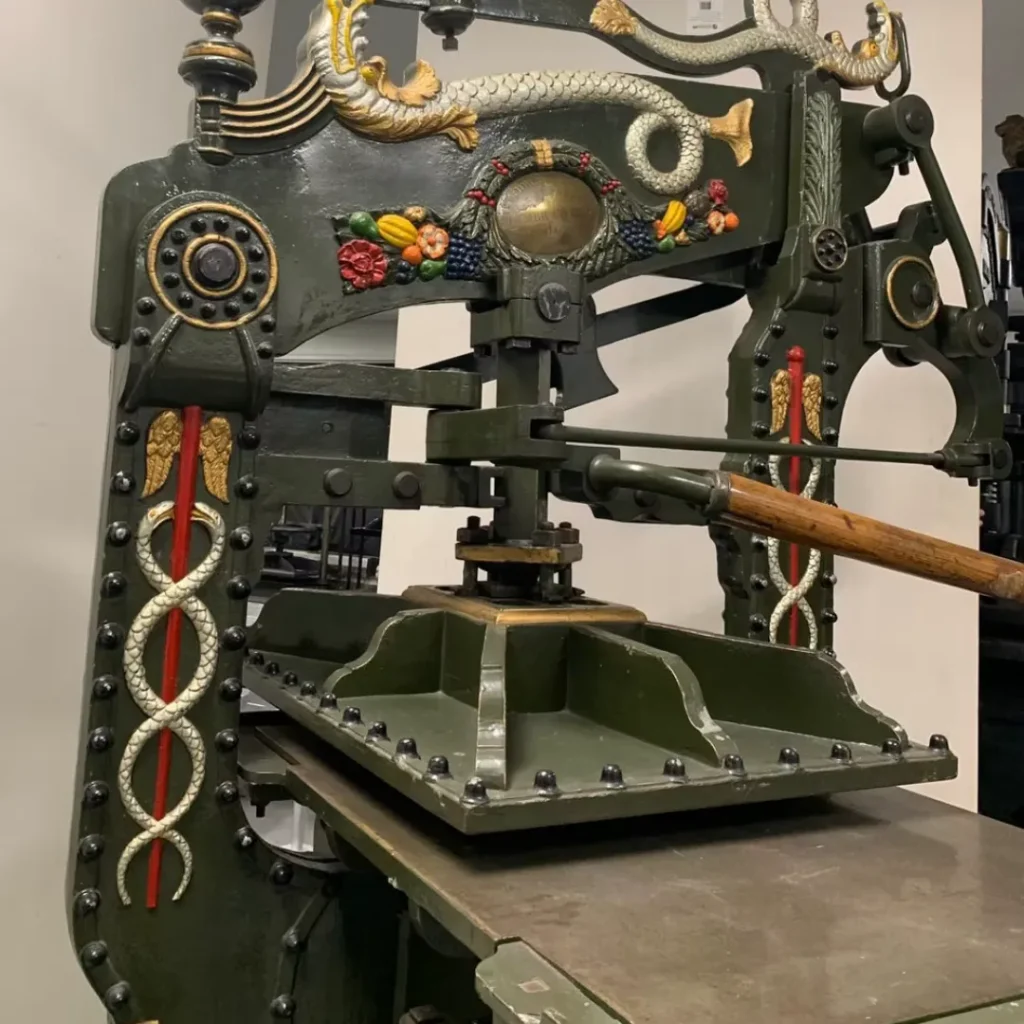
6-A-2 Cerca 1785. George Washington, USA fabrication

6-A-3 Cerca 1775. Ben Franklin, Philadelphia, USA fabrication

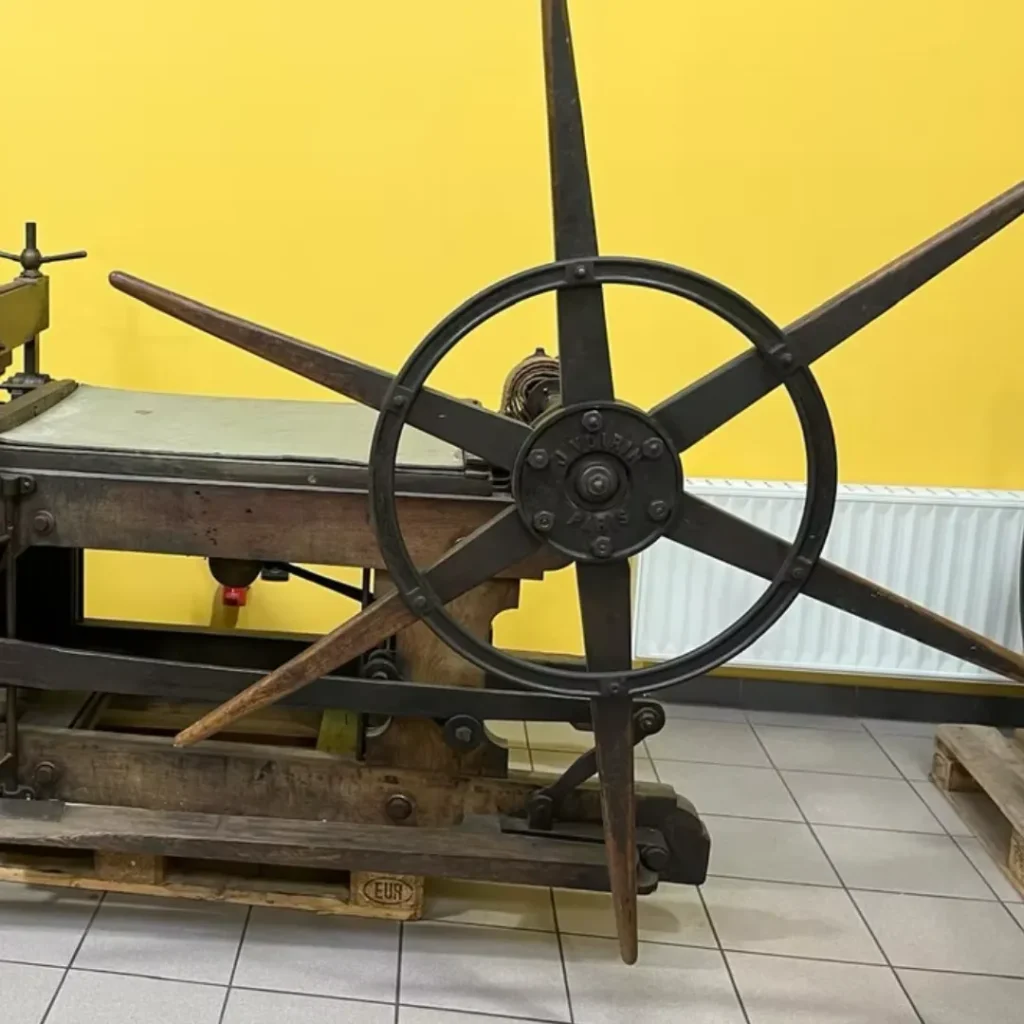
6-A-4 Cerca 1815. Alois Senefelder, Germany fabrication. 1st Litho press, no original exist
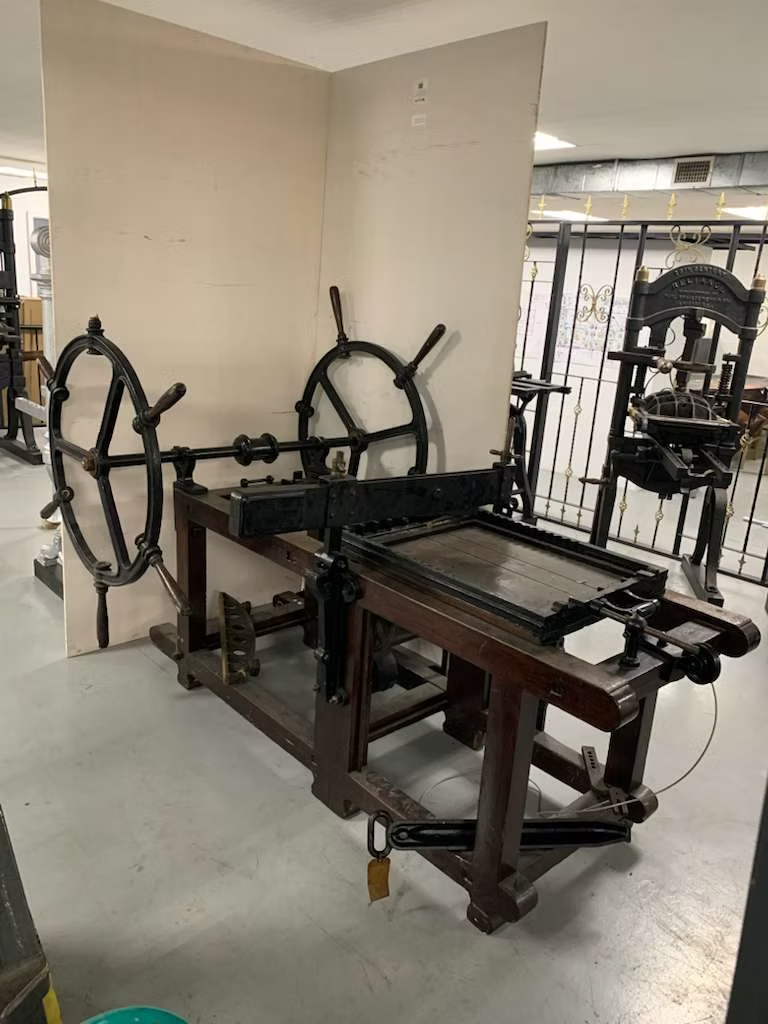
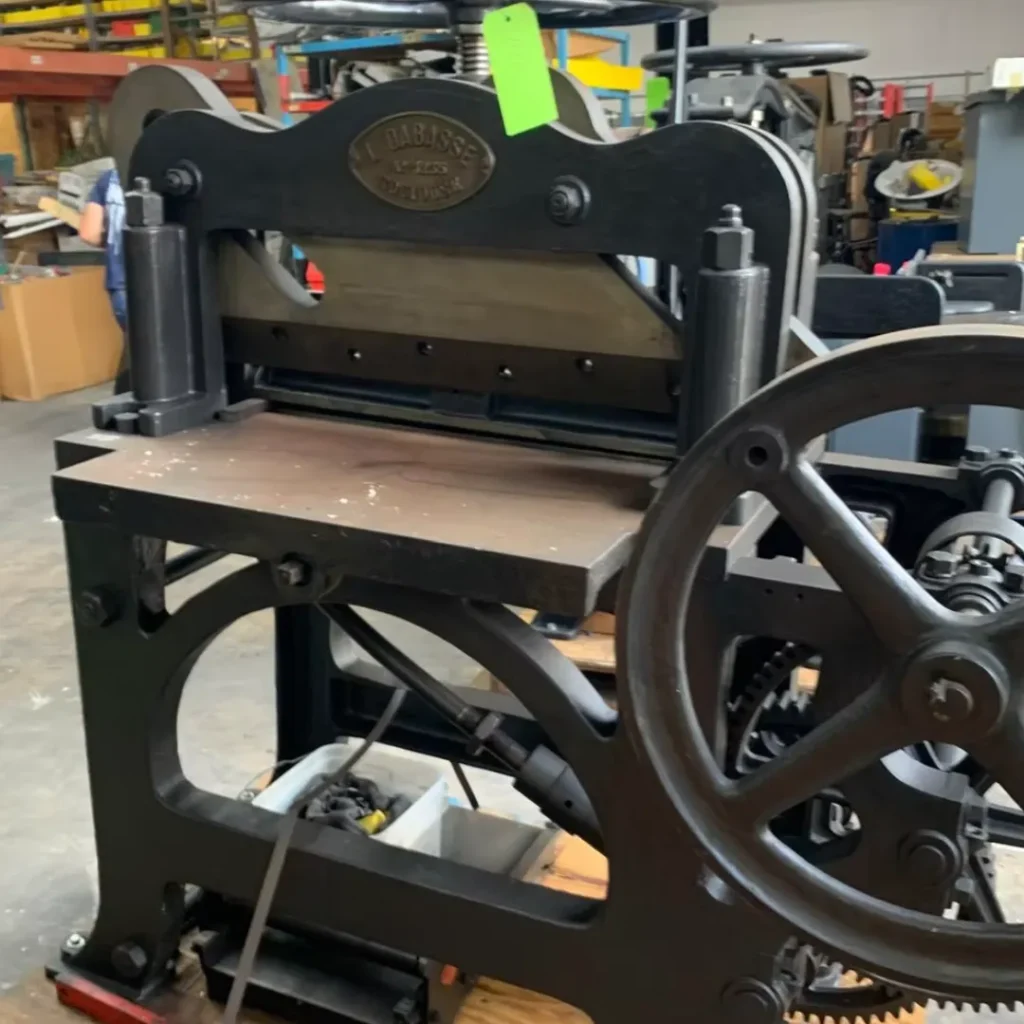
6-A-5 Cerca 1764. Belgium , rare blade. Original, manual ink and ships wheel pull.

6-A-6 Cerca 1500’s. Gutenberg Era, mini Germany fabrication
