









Monastic Scribes

Monastic Scribes: Guardians of Knowledge
During the early centuries of the Middle Ages, after the decline of the Western Roman Empire, much of Europe faced a period of cultural and intellectual fragmentation. In this context, monastic communities became essential centers for the preservation of knowledge. Within these communities, monastic scribes dedicated their lives to copying and safeguarding texts by hand.
The work of scribes took place in special rooms within monasteries known as scriptoria. These were quiet, highly organized spaces designed to support long hours of focused labor.

Tools and Artistry of the Monastic Scribes
Monastic scribes used carefully prepared materials and tools, including:
Parchment or vellum, made from animal skin
Quill pens, often crafted from bird feathers
Ink derived from natural substances such as soot, iron salts, and plant extracts
Texts were written in elegant scripts, and many manuscripts were richly decorated with intricate designs, gold leaf, and colorful illustrations. These highly decorated works are known as illuminated manuscripts.
One of the most famous examples of this tradition is the Book of Kells, created around the 9th century, renowned for its elaborate artistry and craftsmanship.

Preserving Knowledge Through Manuscripts
Monastic scribes played a crucial role in preserving not only religious texts, such as the Bible, but also works of classical philosophy, science, and literature from ancient civilizations.
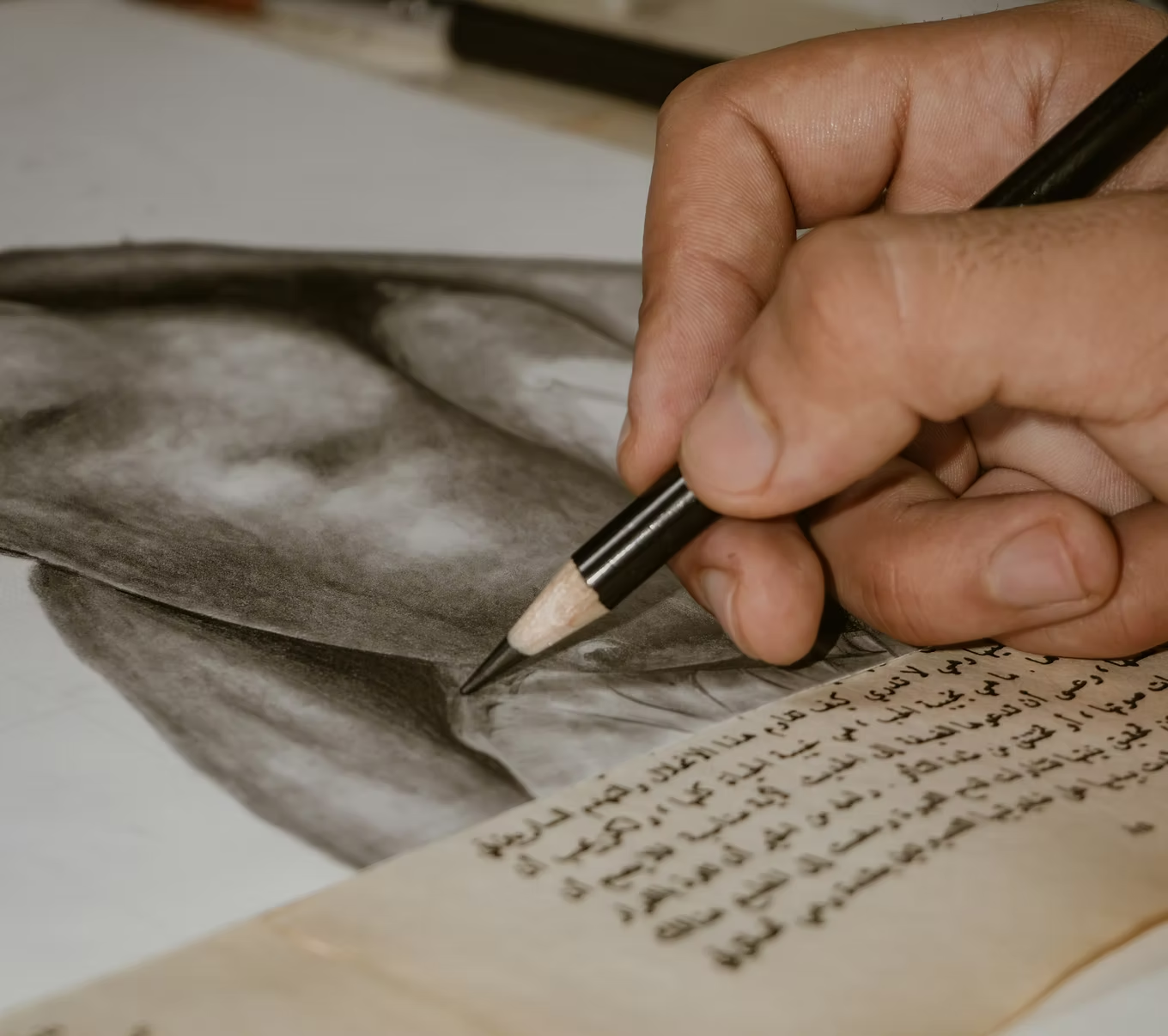
In monastery scriptoria, scribes carefully copied important writings by hand, often working for long hours with great discipline and attention to detail. Their efforts helped protect knowledge during periods when books were rare, fragile, and difficult to reproduce.
Because of their dedication, many important ideas from the ancient world survived and continued to influence future generations. Monastic scribes helped create a bridge between the past and the future, preserving wisdom that would later support education, scholarship, printing, and the spread of written knowledge.

From Preservation to Revival
The efforts of monastic scribes laid the foundation for the intellectual revival of Europe, eventually contributing to movements such as the Renaissance. Their meticulous copying preserved ideas that would later inspire scientific discovery, artistic innovation, and philosophical thought.
By safeguarding ancient texts, monastic scribes helped keep important knowledge alive during centuries of change. Their handwritten manuscripts allowed scholars, teachers, and future readers to study works that might otherwise have been lost to time.
This preserved knowledge became a powerful resource as Europe entered new periods of learning and creativity. The work of the scribes helped prepare the way for universities, expanded scholarship, the growth of libraries, and eventually the printing revolution that made books and ideas more widely available.

Knowledge Saved Through Uncertainty
Without their efforts, many writings from ancient Greece and Rome might have been lost to history. Monastic scribes helped preserve works of philosophy, literature, science, history, and faith during centuries when manuscripts were fragile, rare, and vulnerable to damage or disappearance.
Their work ensured that knowledge could survive through periods of uncertainty and transformation. By copying texts by hand, they gave future generations access to ideas that continued to shape education, scholarship, culture, and human understanding.
Each manuscript represented more than ink on parchment. It was an act of preservation, patience, and devotion. Through the careful labor of monastic scribes, the wisdom of the past remained available to inspire the books, printing, and learning traditions that followed.
Final Reflection for Visitors
In the silence of monastery walls, monastic scribes became the silent guardians of human knowledge. Each carefully written page represents patience, devotion, and a profound commitment to preserving the wisdom of the past for future generations.