


C- Gutenberg Bible

Gutenberg Bible
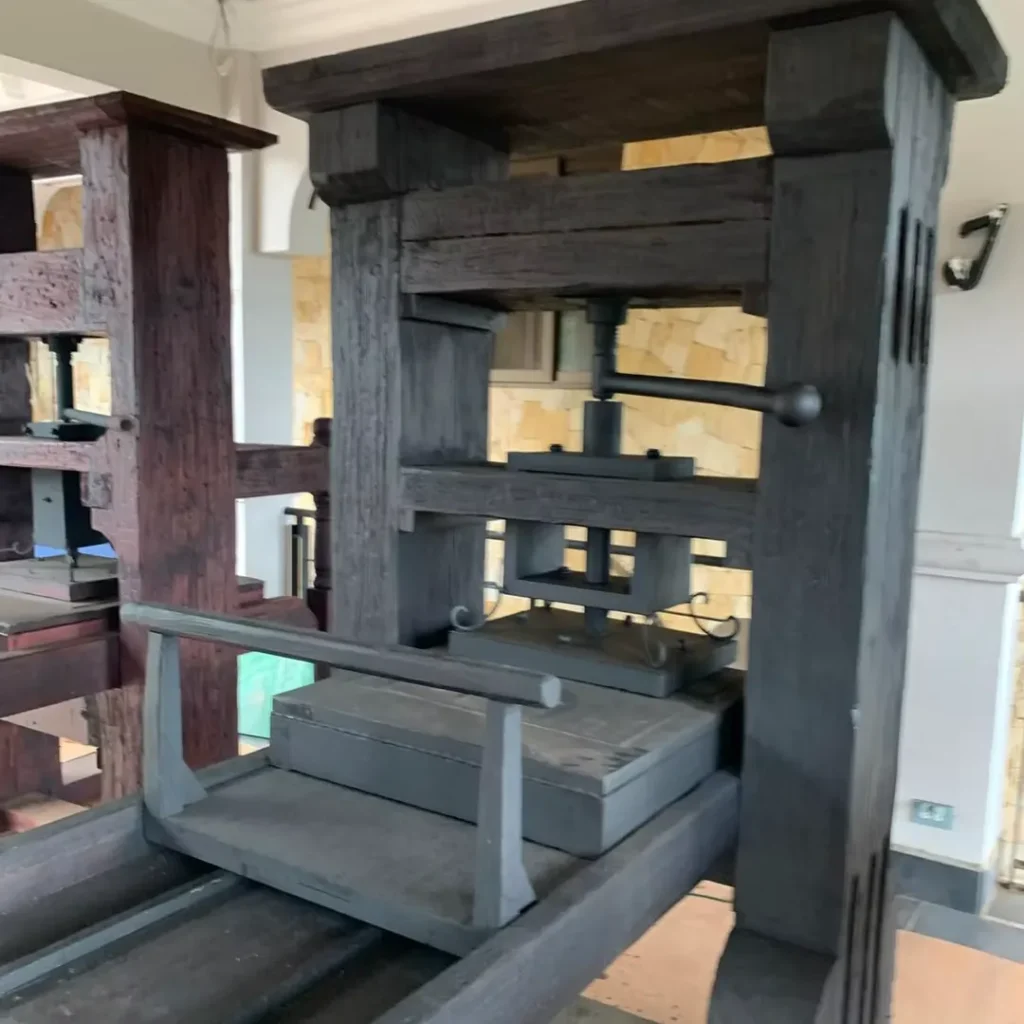
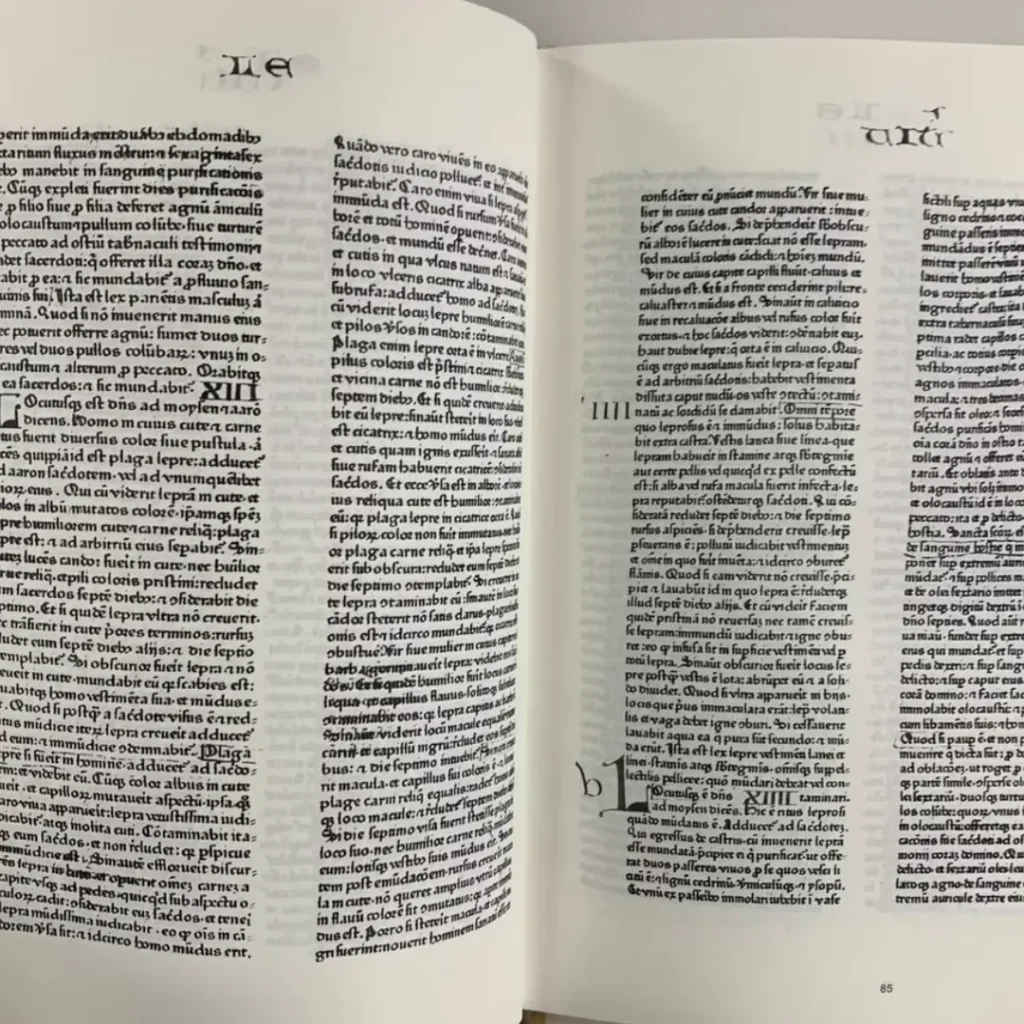
The Gutenberg Bible is one of the most important books in the history of printing. Produced in Mainz, Germany in the 1450s, it is widely recognized as the first great book printed in Western Europe using movable metal type. Its creation marked a major turning point in bookmaking and helped open the door to the wider spread of printed knowledge.
Also known as the 42-line Bible, the Gutenberg Bible demonstrated the power and precision of Gutenberg’s printing process. Instead of copying books entirely by hand, pages could be produced using reusable metal type, ink, paper, and a press. This made the printed book a symbol of innovation, craftsmanship, and lasting cultural change.
The impact of the Gutenberg Bible reached far beyond religion. It helped prove that printing could reproduce long, complex works with beauty, consistency, and authority. Over time, this breakthrough influenced education, scholarship, publishing, public communication, and the movement of ideas across Europe and beyond.
At Demers, Gutenberg, Franklin Museum, the Gutenberg Bible represents the beginning of a new age in communication. It reminds visitors that printing did more than create books. It helped preserve knowledge, expand access to ideas, and change the way humanity shared information across generations.
Gallery

6-C-1 1462. Gutenberg Bible, 2 copies

6-C-2 1462. Gutenberg Bible copy in display

6-C-3 1462. Gutenberg specific type

6-C-4 1925 Original Bible

6-C-5 Quran Secret Message

6-C-6 Holy Bible Family iluminated Version

6-C-7 Holy Bible King James Version

6-C-8 1560 Geneva Bible Copy

6-C-9 1969 copy of 1560 Geneva Buble

6-C-10 Library legal books
