

N- Proof Presses
Proof Presses
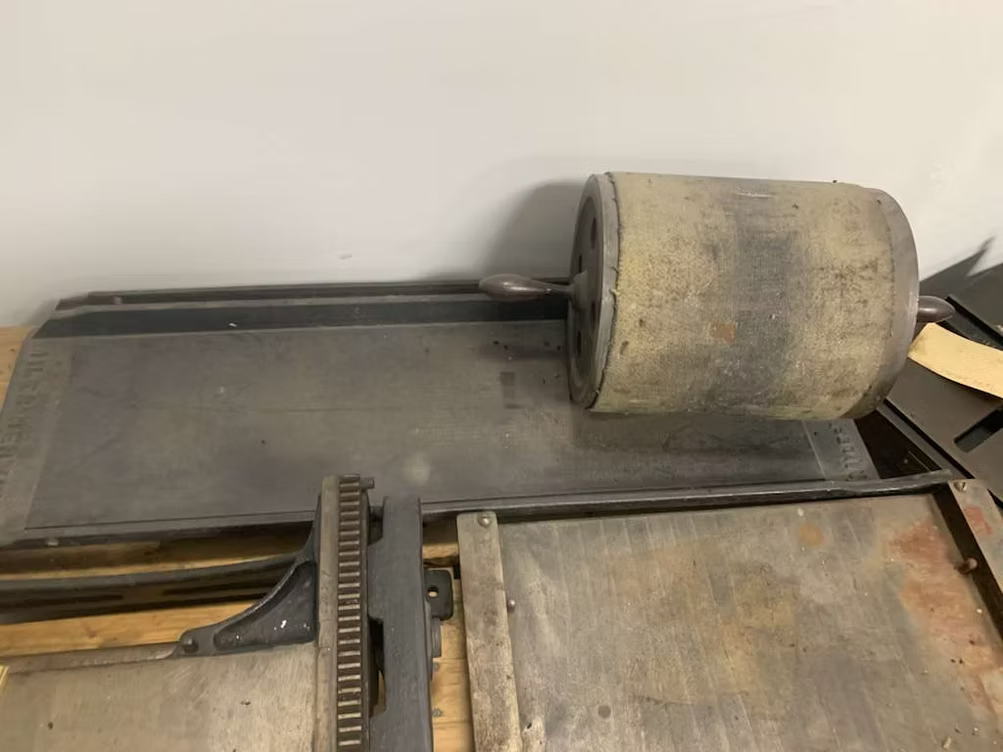
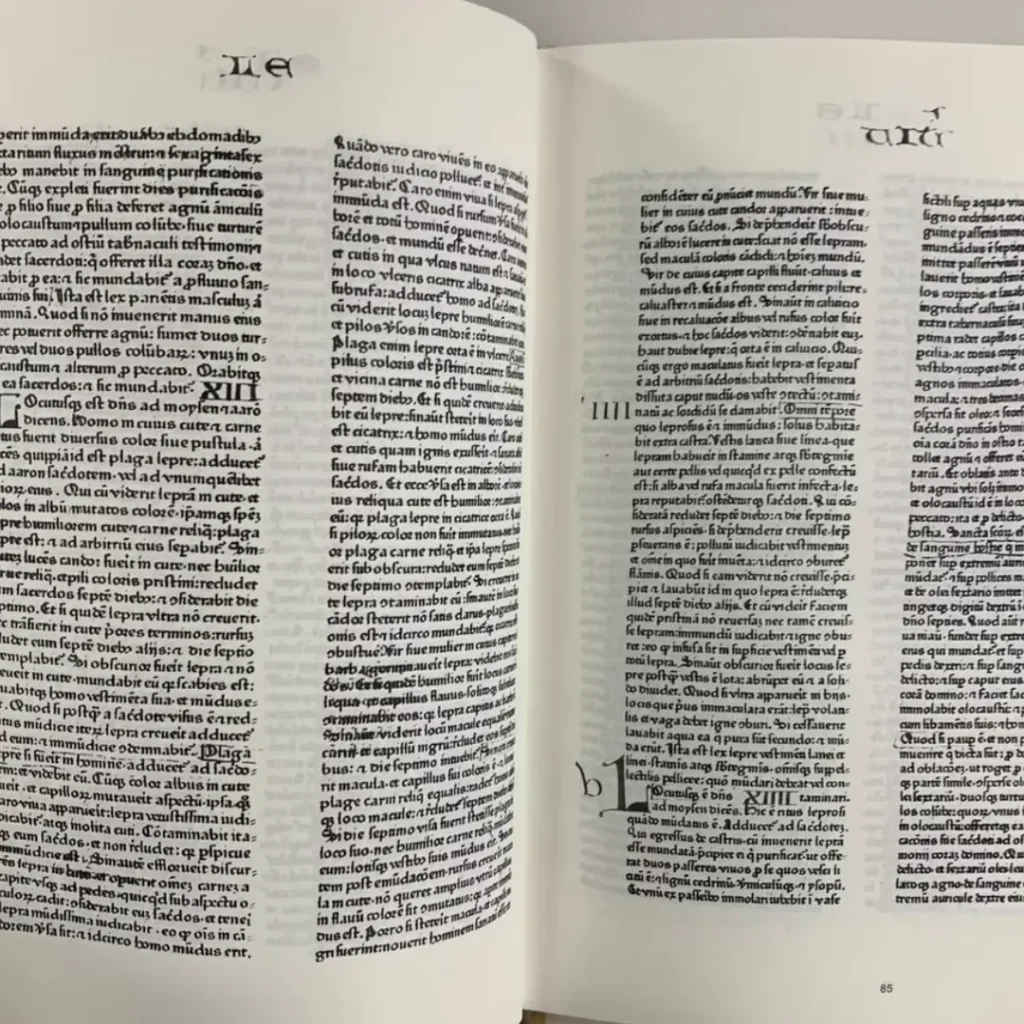
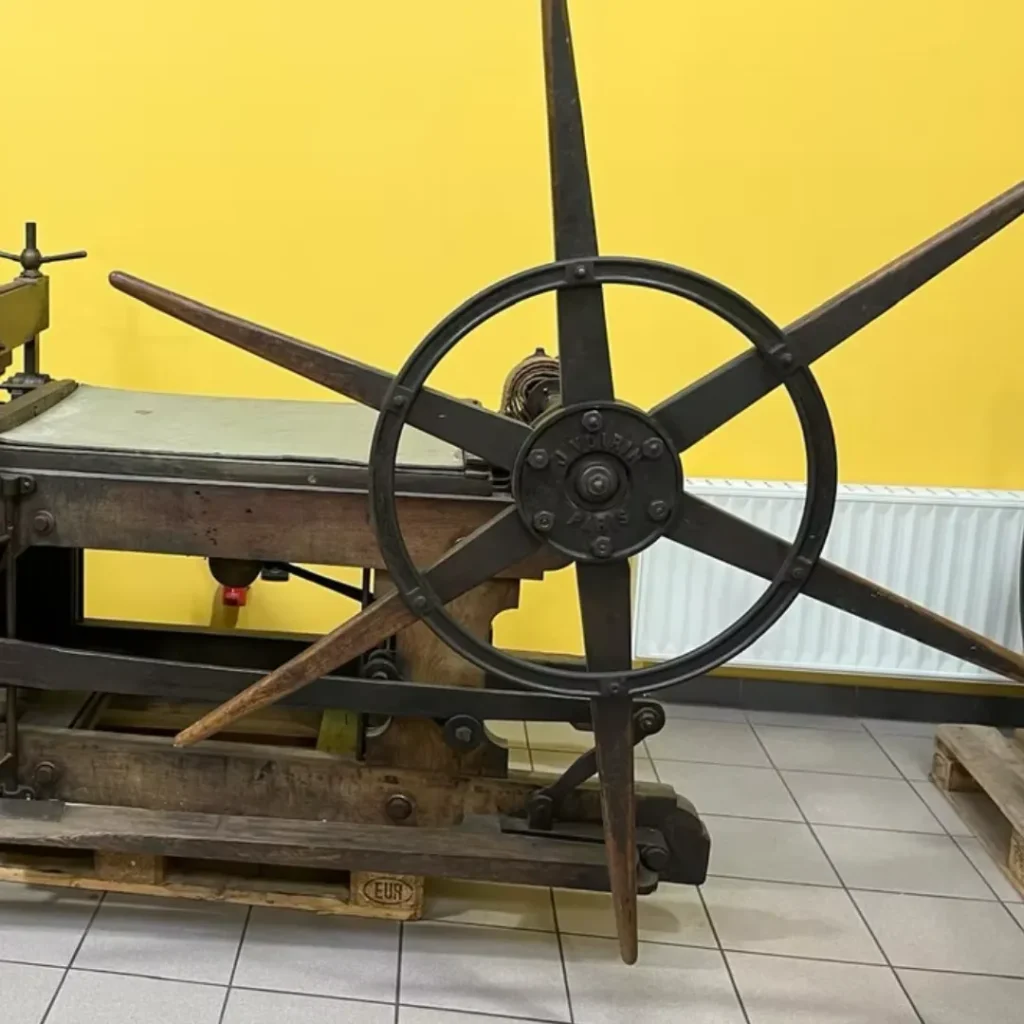
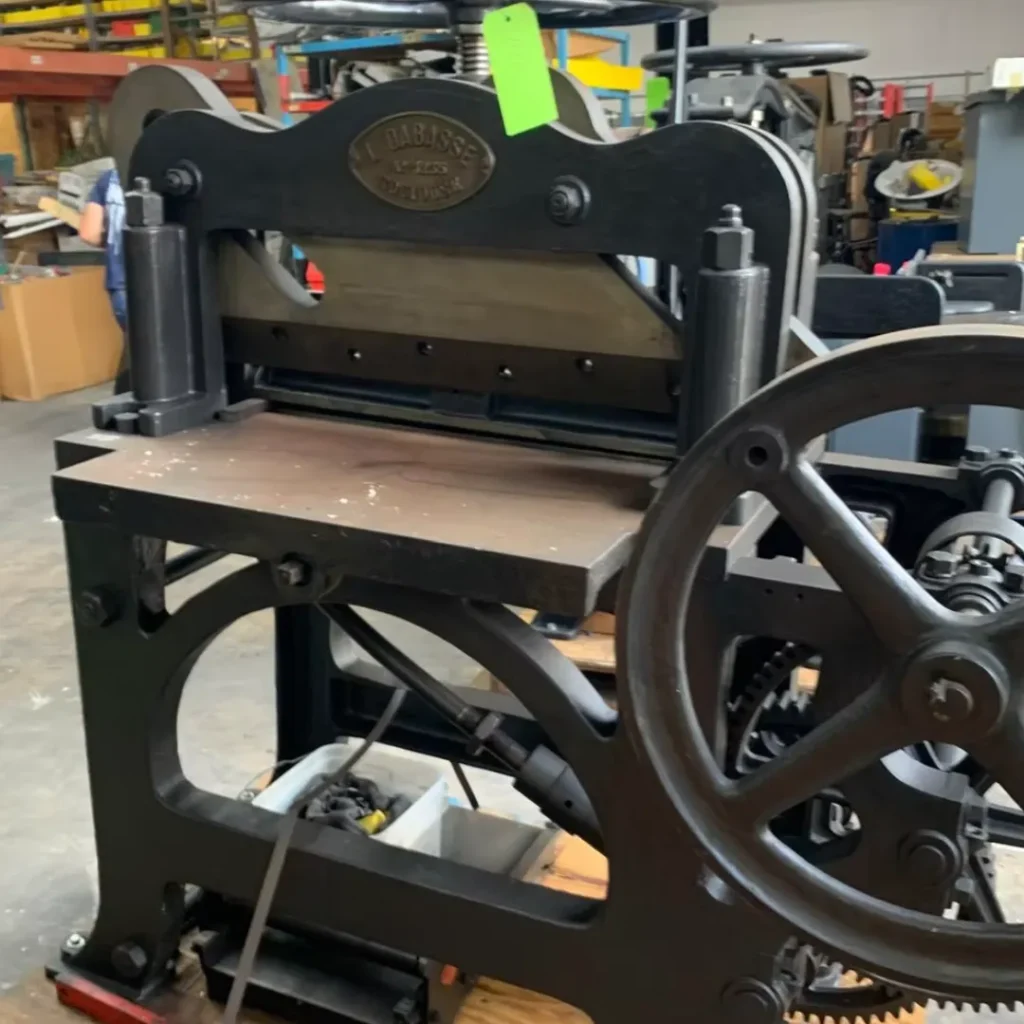
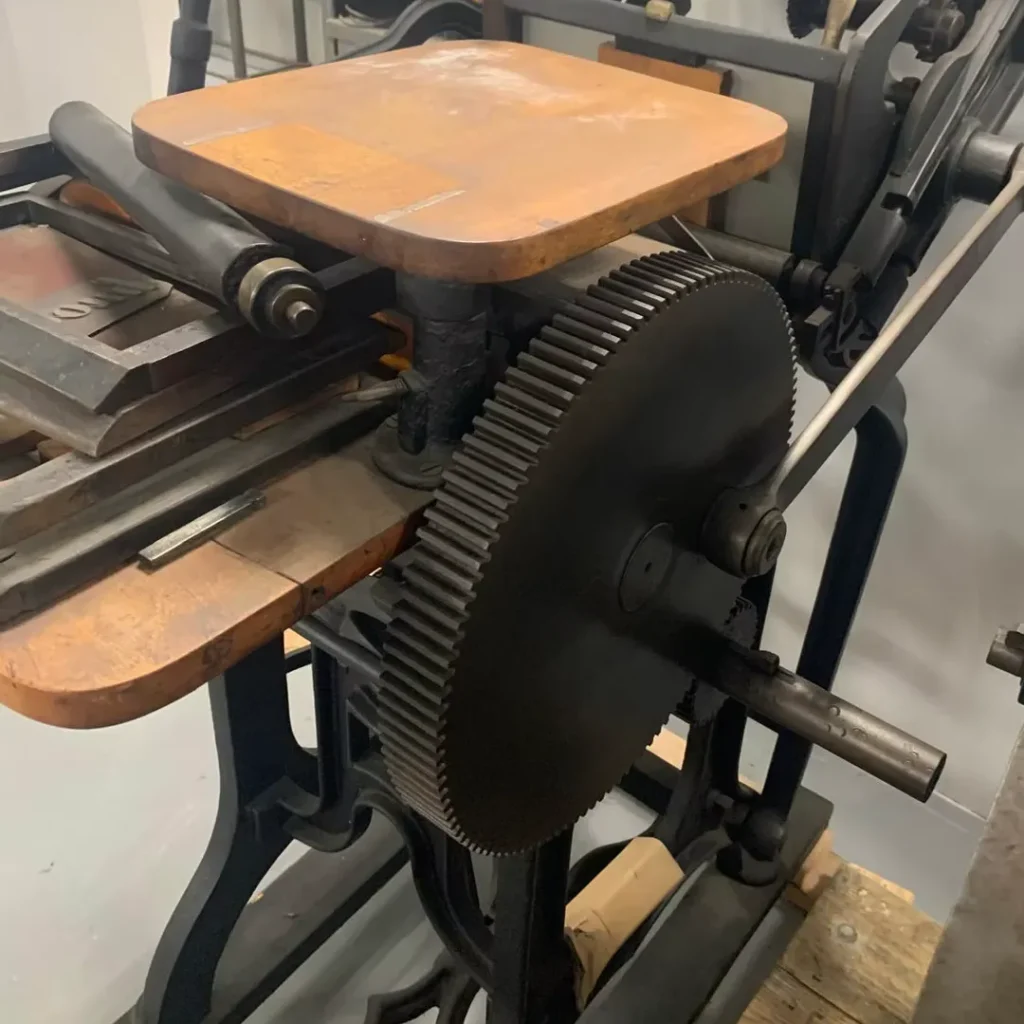
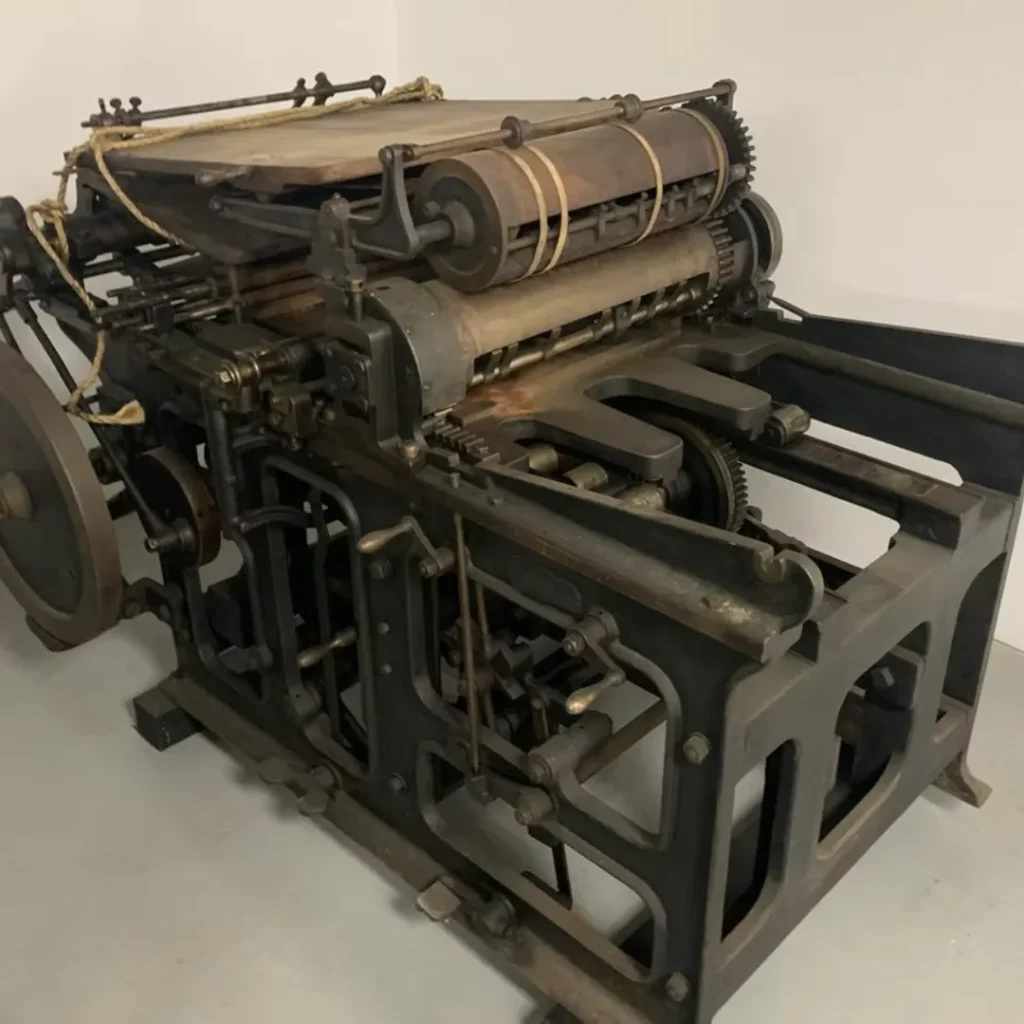
Proof presses were essential tools for checking the quality and accuracy of printed work before full production began. Printers used them to create test impressions, allowing them to review type placement, ink coverage, spelling, spacing, alignment, and overall appearance before committing to a larger print run.
These presses were especially valuable in shops where precision mattered. A proof could reveal problems that were difficult to see while type was locked in the form, such as uneven pressure, missing letters, incorrect spacing, or areas where the ink was too light or too heavy. Catching those issues early saved time, paper, ink, and labor.
Proof presses were also used for smaller printing tasks, artist prints, posters, and specialty work. Their slower, more controlled operation gave printers and craftspeople the ability to focus closely on detail, making them useful not only for correction, but also for careful creative production.
At Demers, Gutenberg, Franklin Museum, proof presses help visitors understand the careful process behind professional printing. They show that great print work depended not only on machinery, but also on review, refinement, craftsmanship, and the printer’s commitment to getting every page right.
Gallery
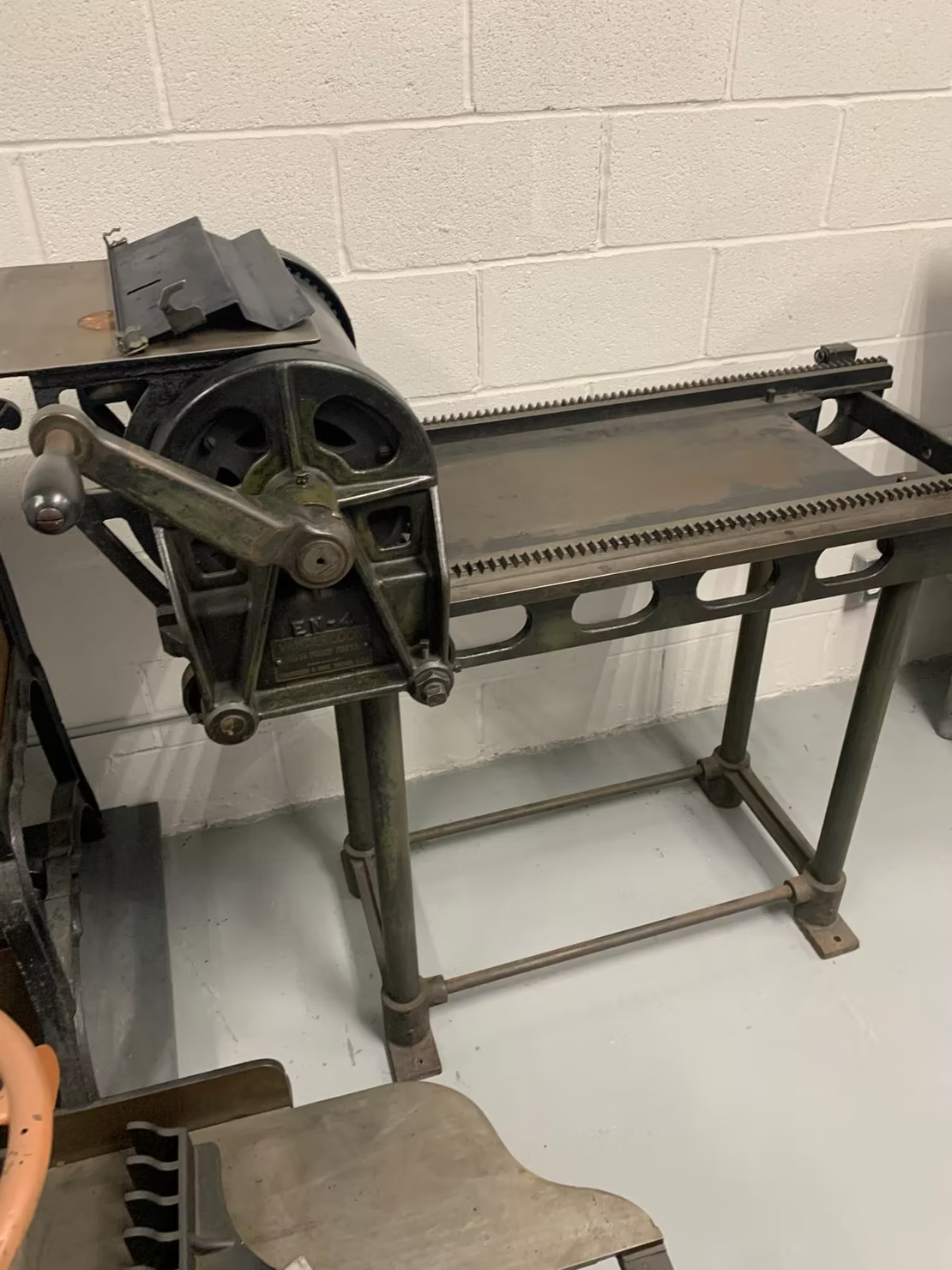
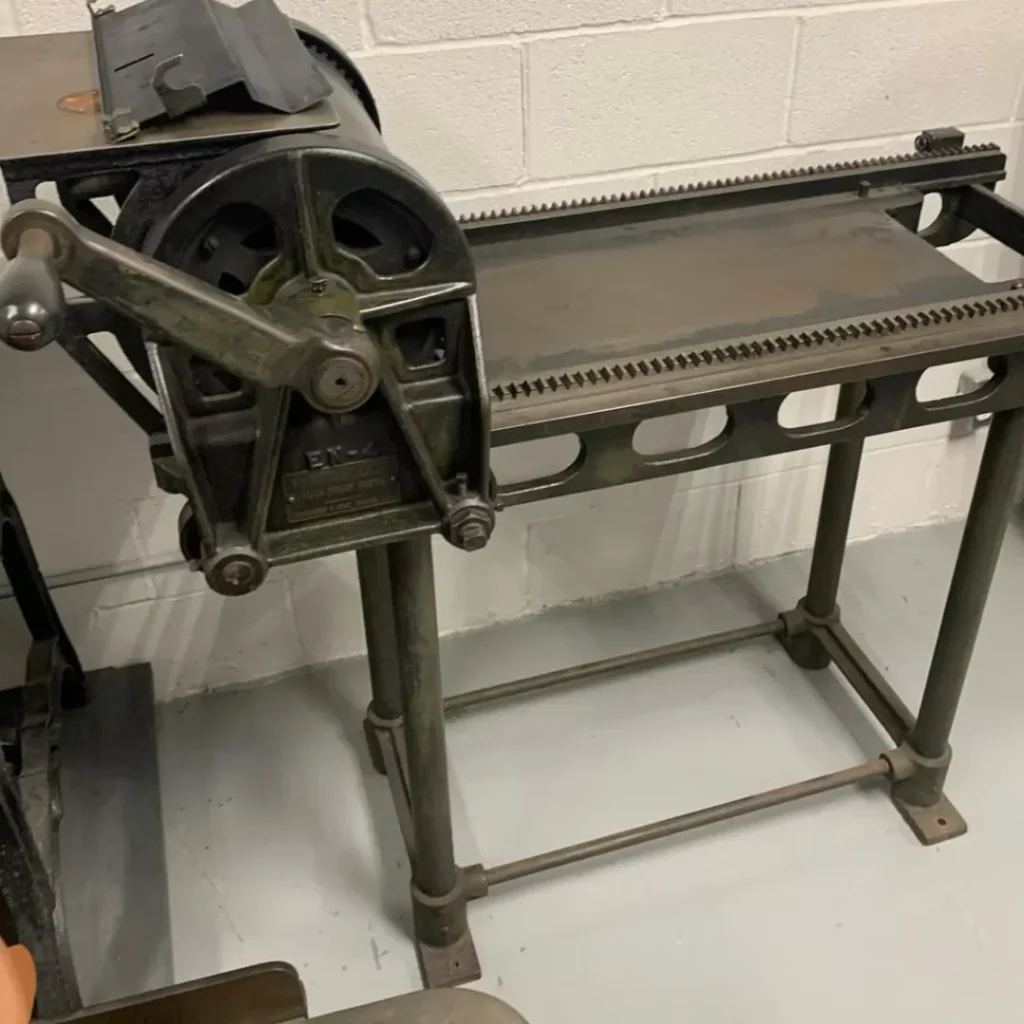
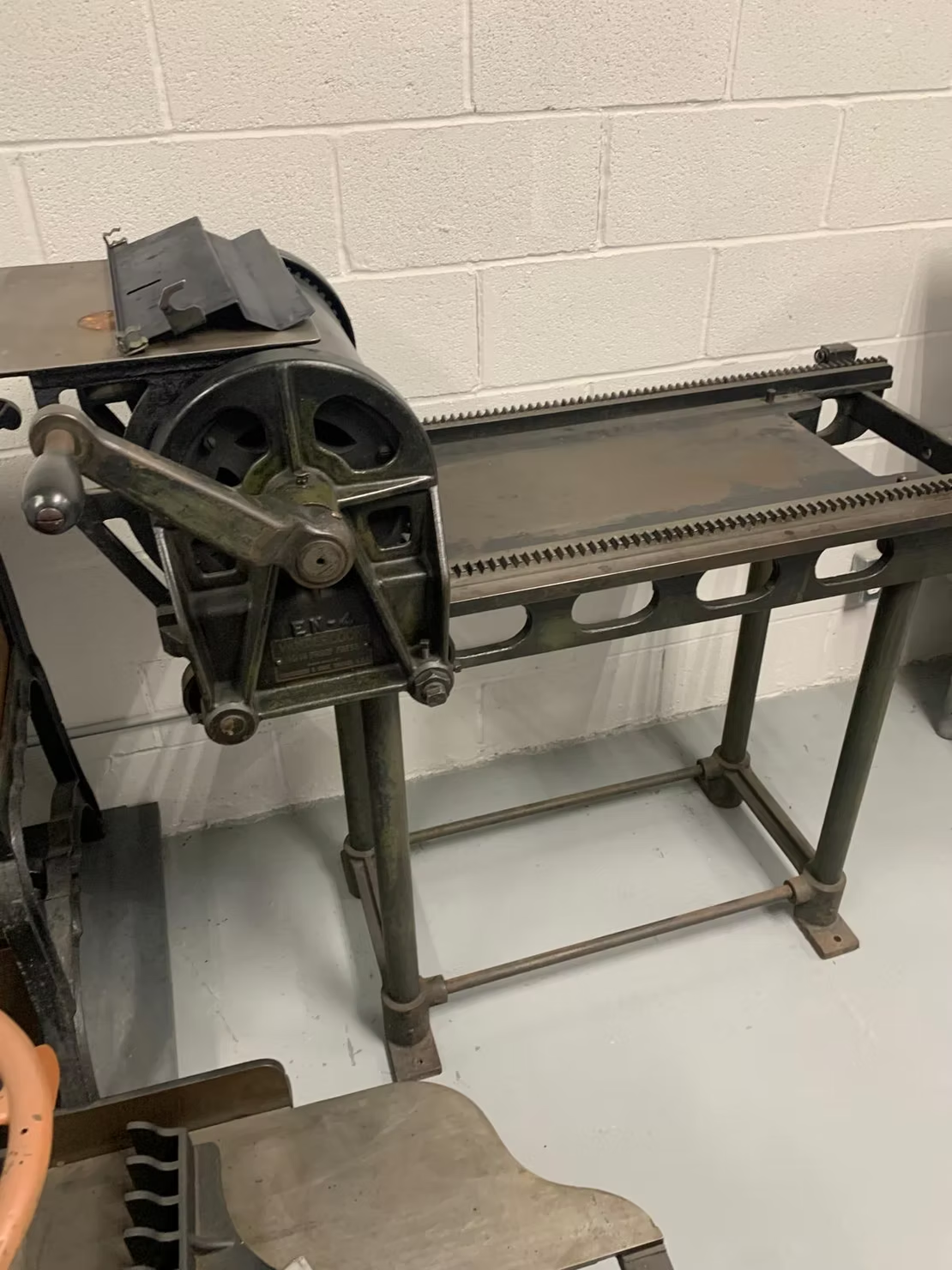
6-N-1 1918 , Vandercook floor model Manual proof press, p model # 1, mfg Vandercook & son , Chicago
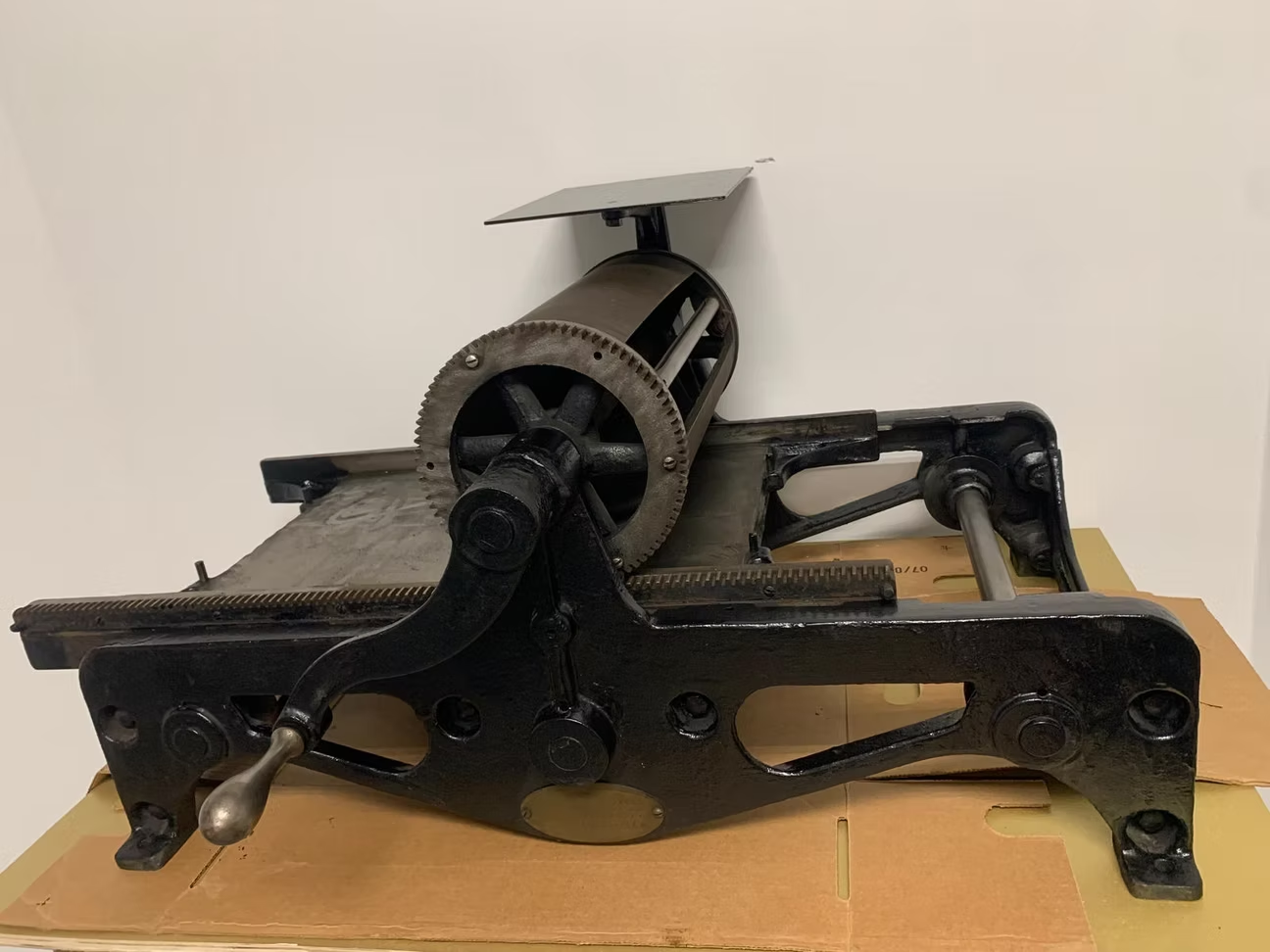
6-N-2 Cerca 1915, table top proofer, Horace Hacker & son, chi , ill, USA
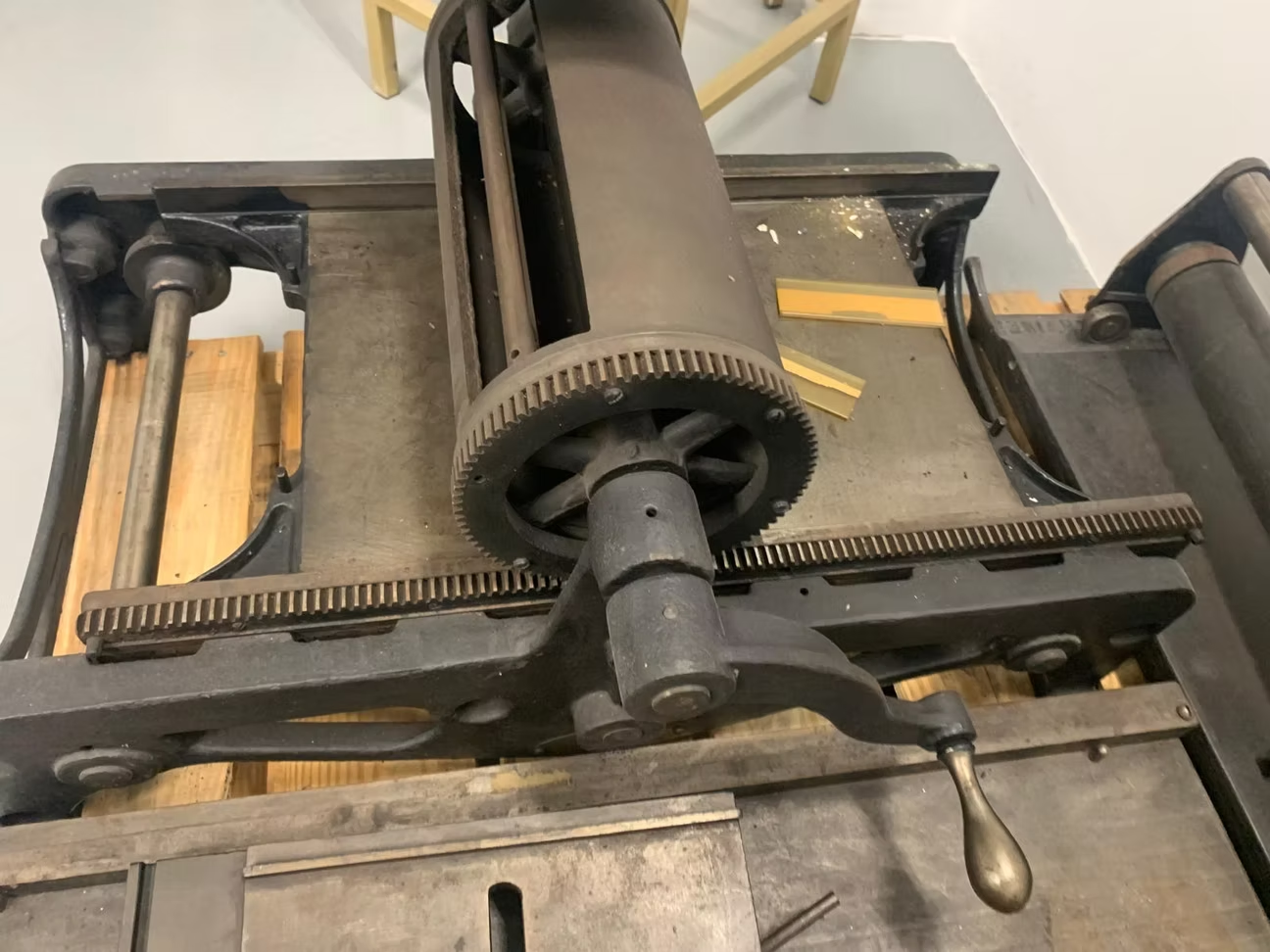
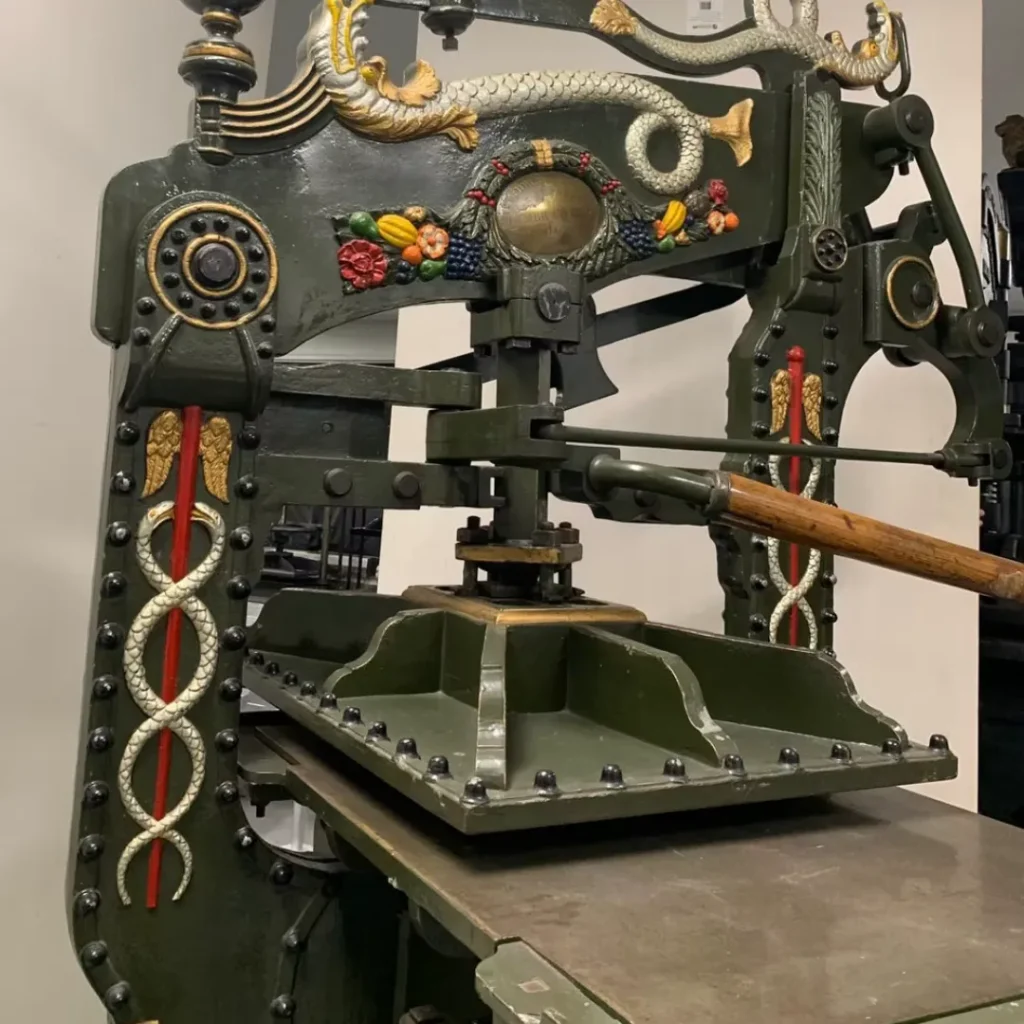
6-N-3 Cerca 1870, R Hoe & Co, ny and London
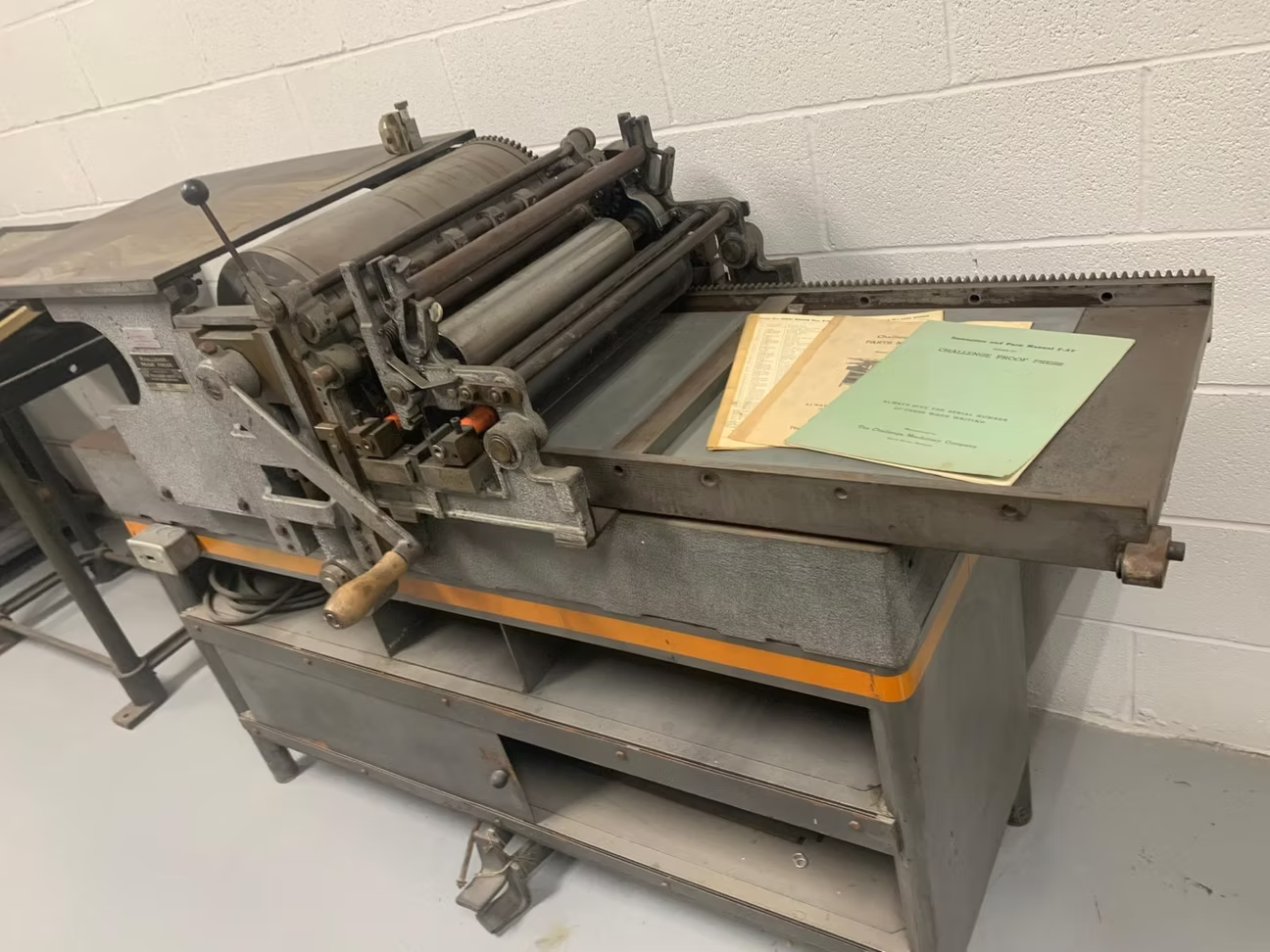
6-N-4 1945, Challenge Proof Press15K2 , Challemge Mach . Grande Haven , Mich Usa
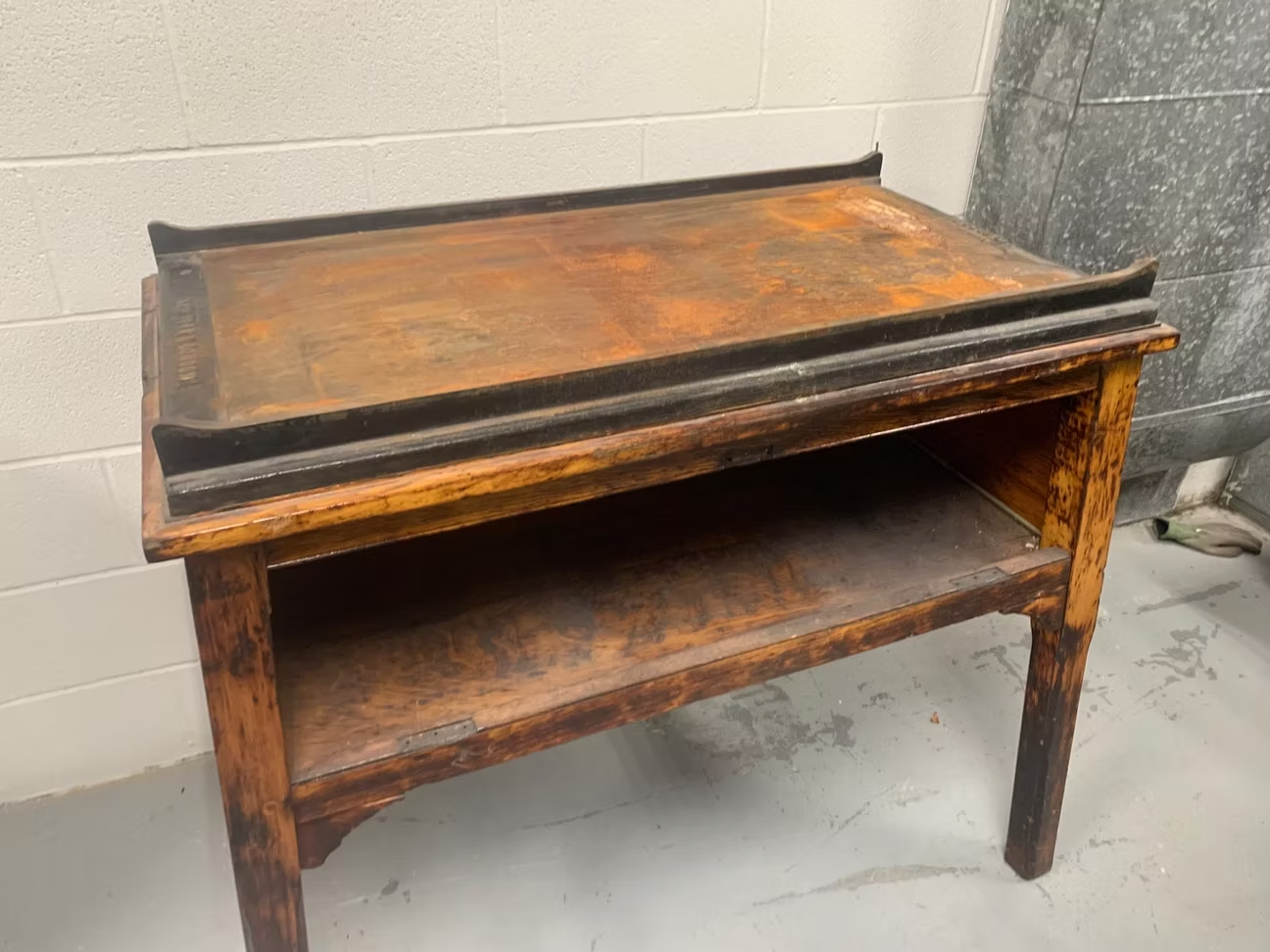
6-N-5 Cerca 1870, R Hoe & Co, ny and London 2
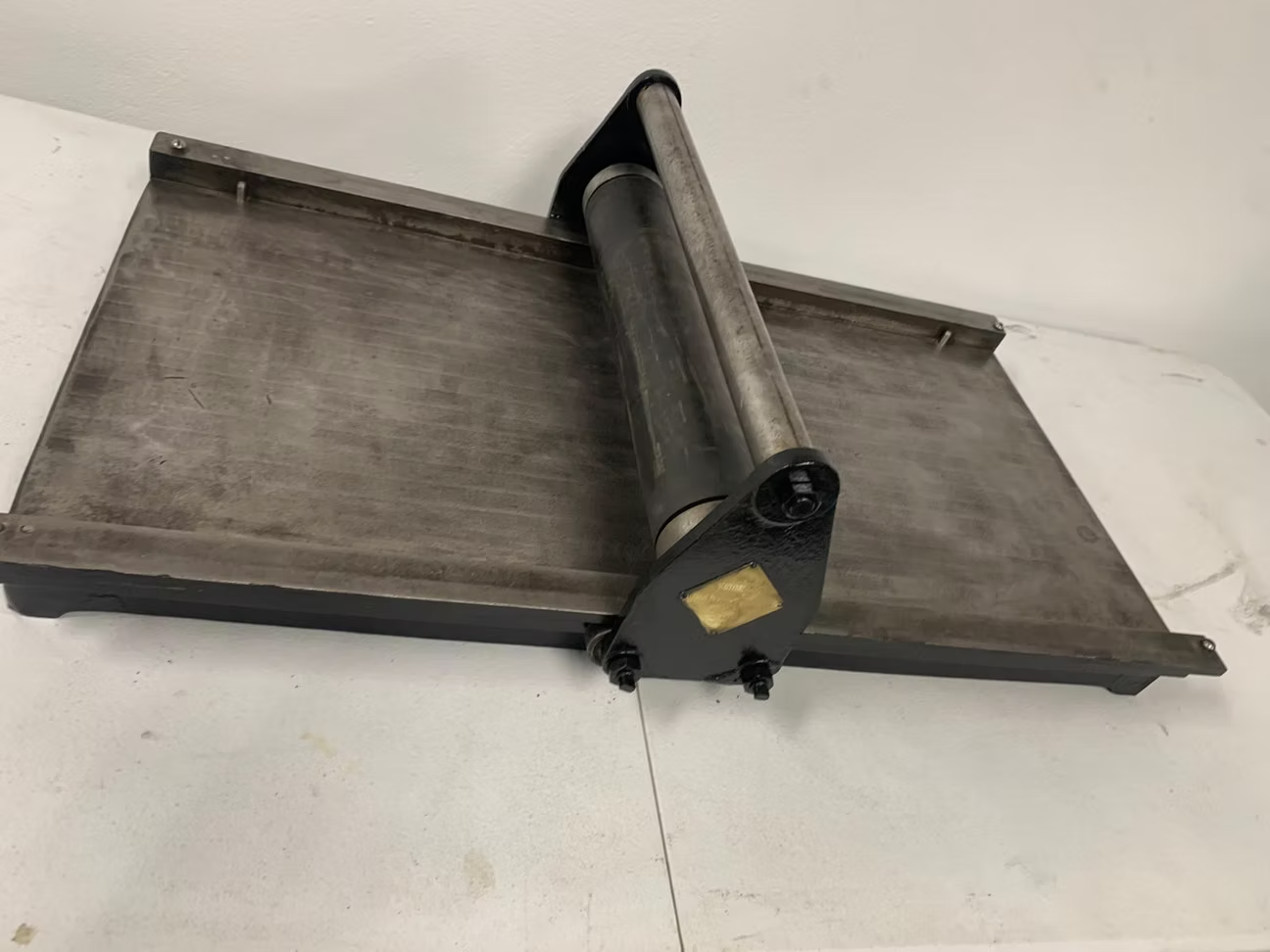
6-N-6 no. 01, 1st roller bearing , Vandercook , Chi ill
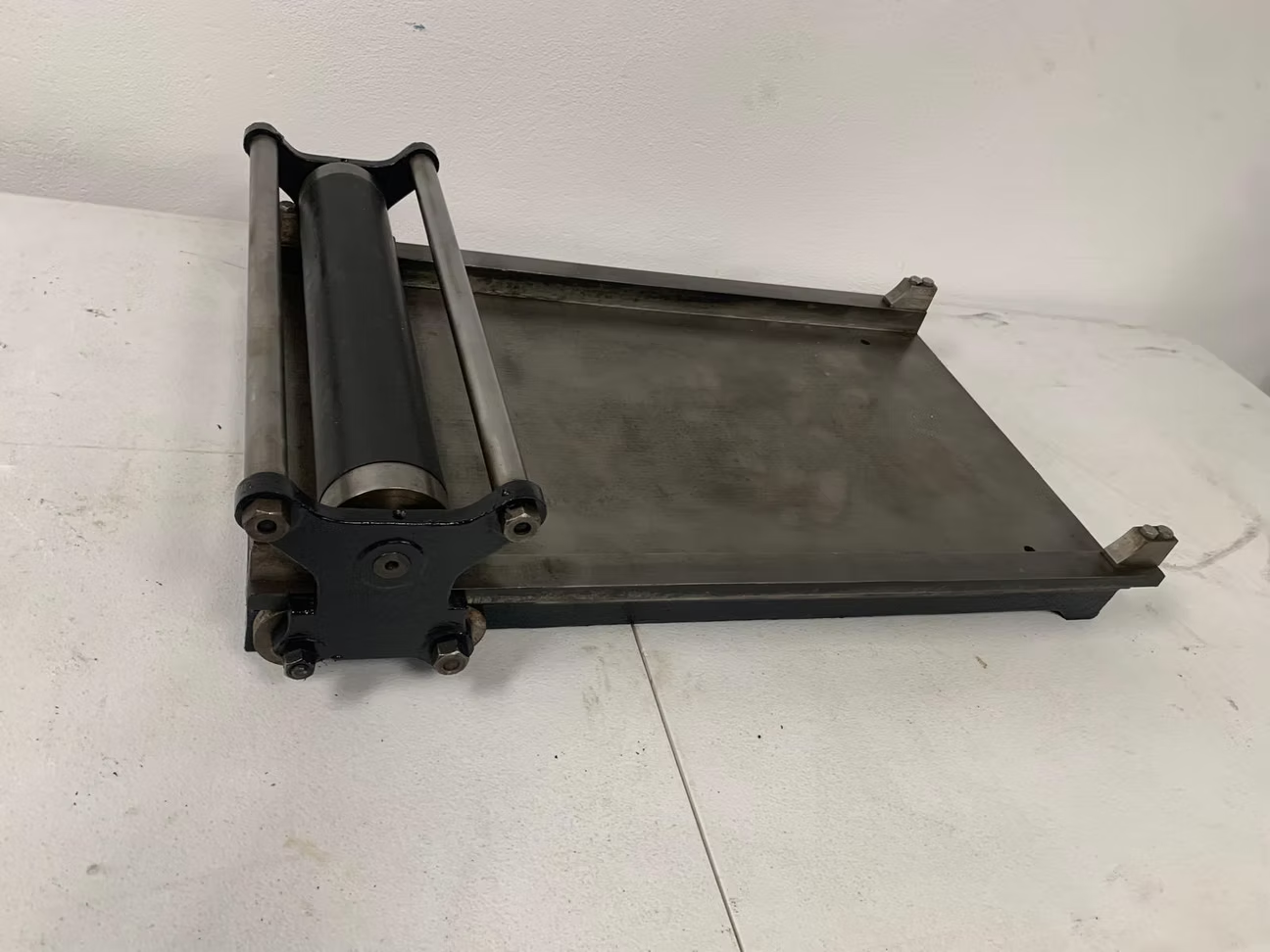
6-N-7 new photo, no 99
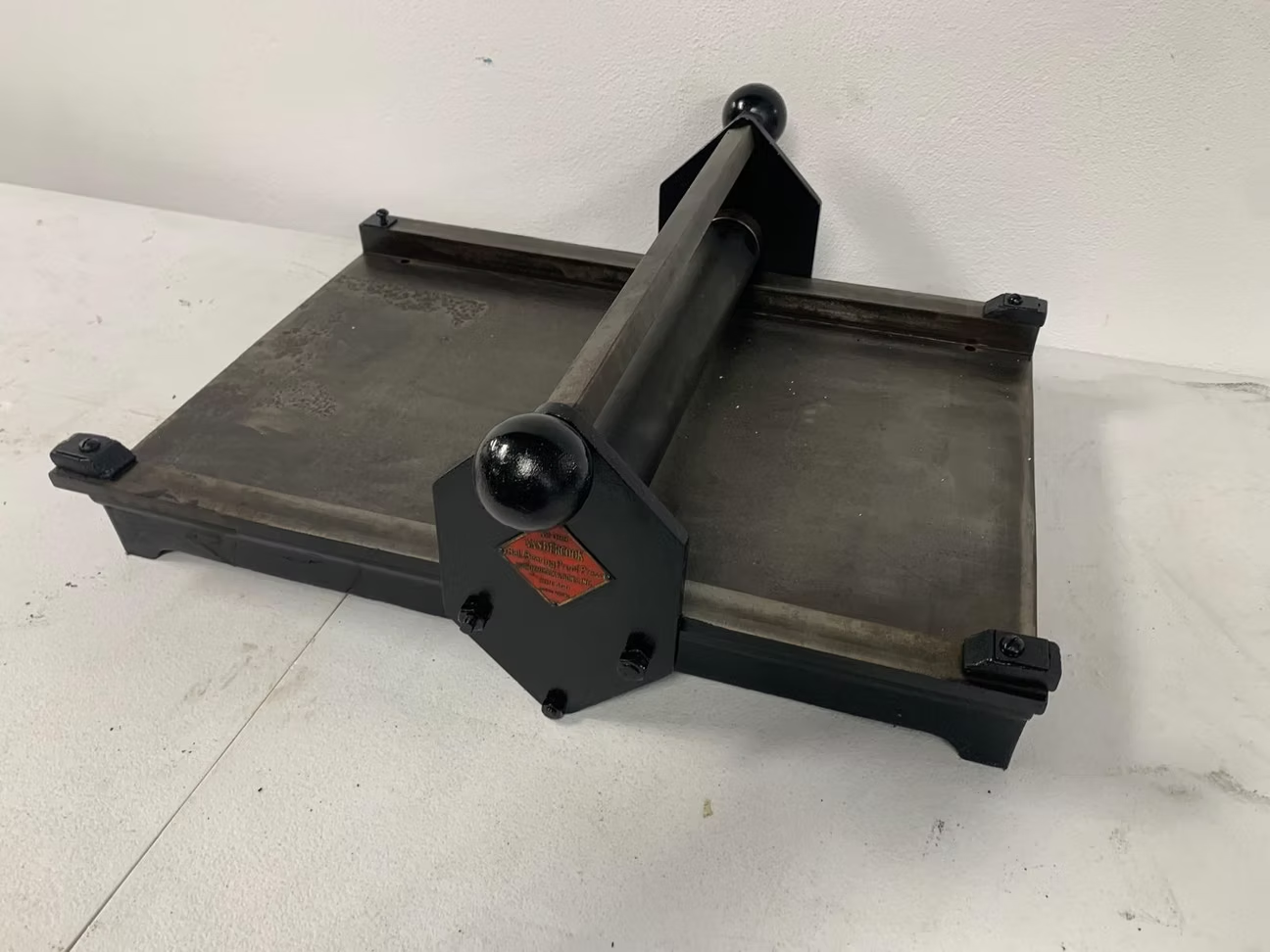
6-N-8 6-n-8 , new photo
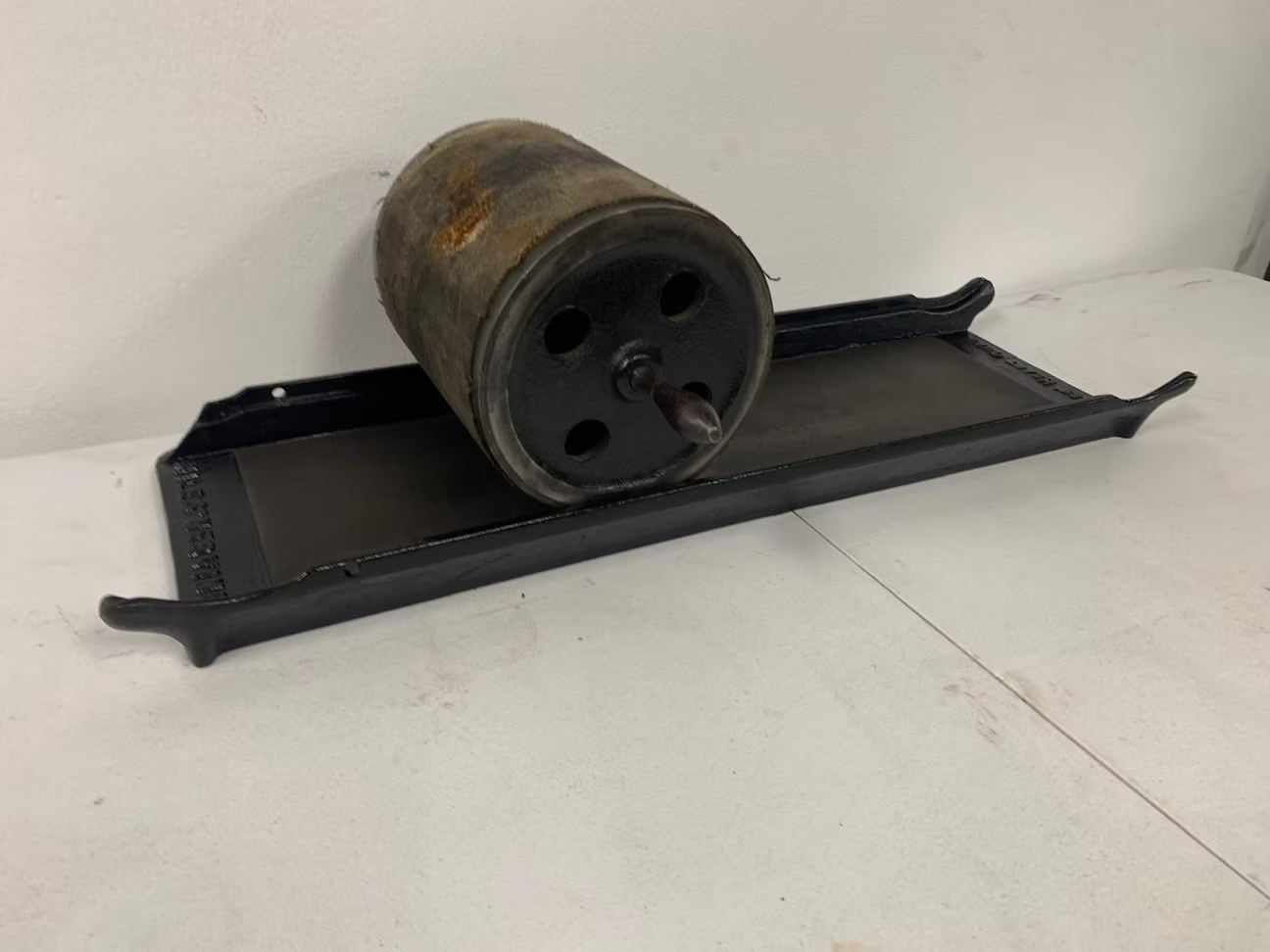
6-N-9 1875, USA famous doctor miles nervin , máde these to trade to newspaper for free ad space
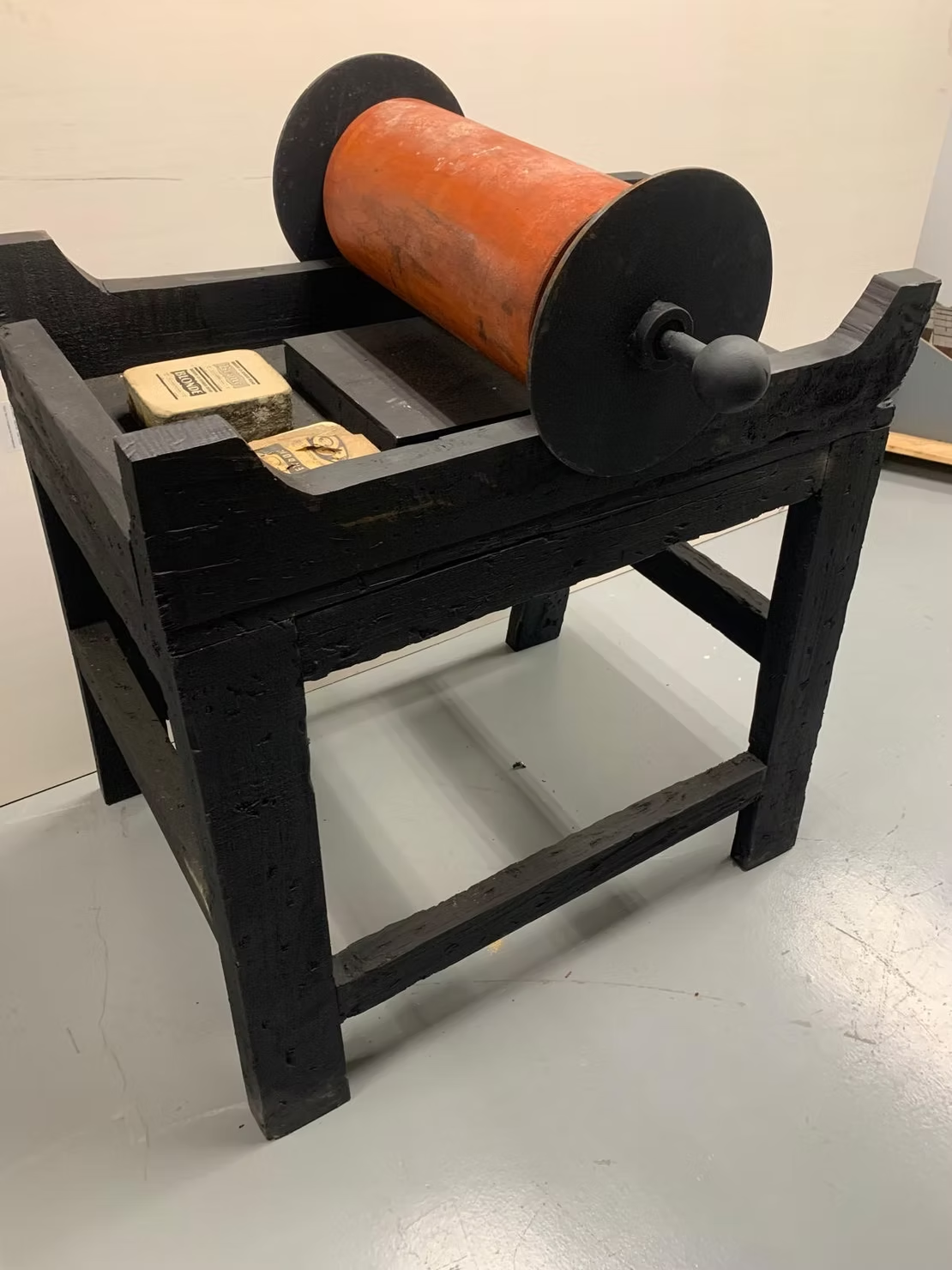
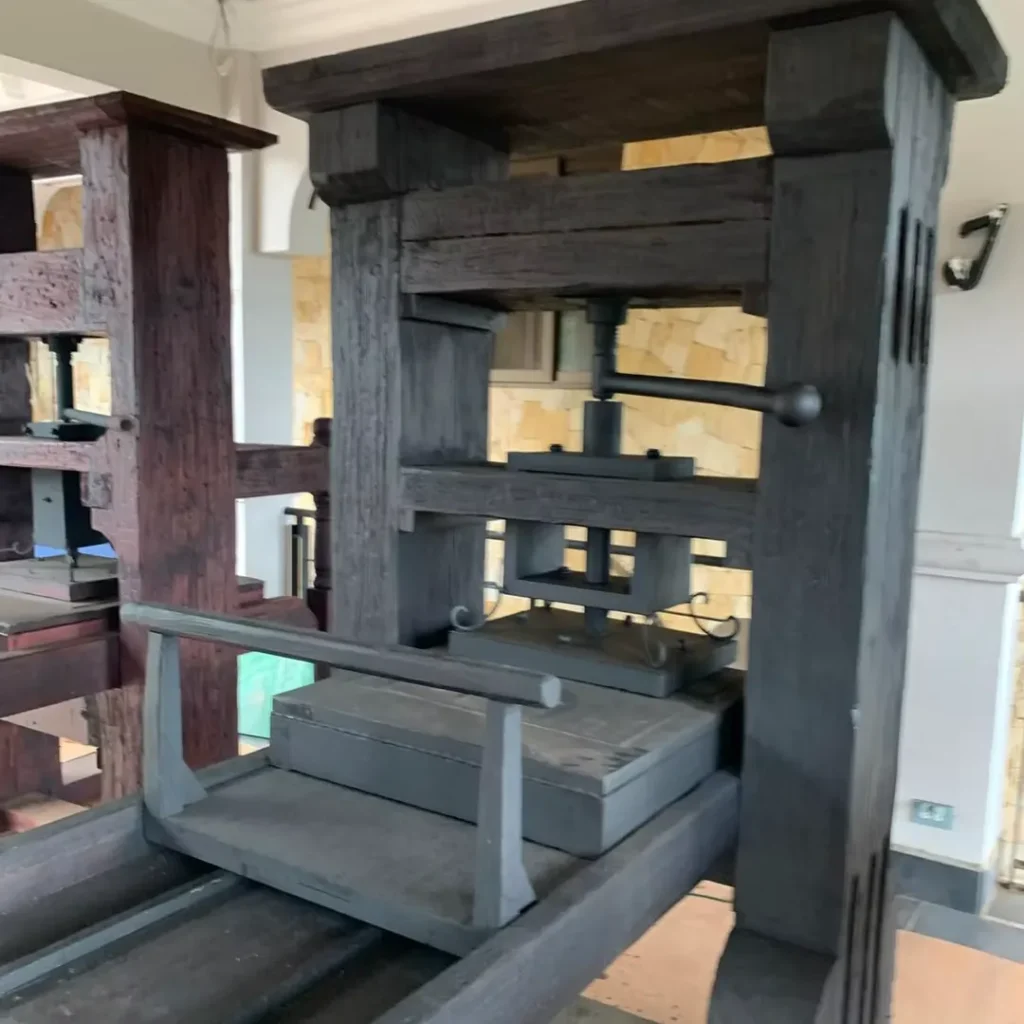
6-N-10 cerca 1815 , wooden mobile proving print press, origin unknown , wooden copy , tennesee usa
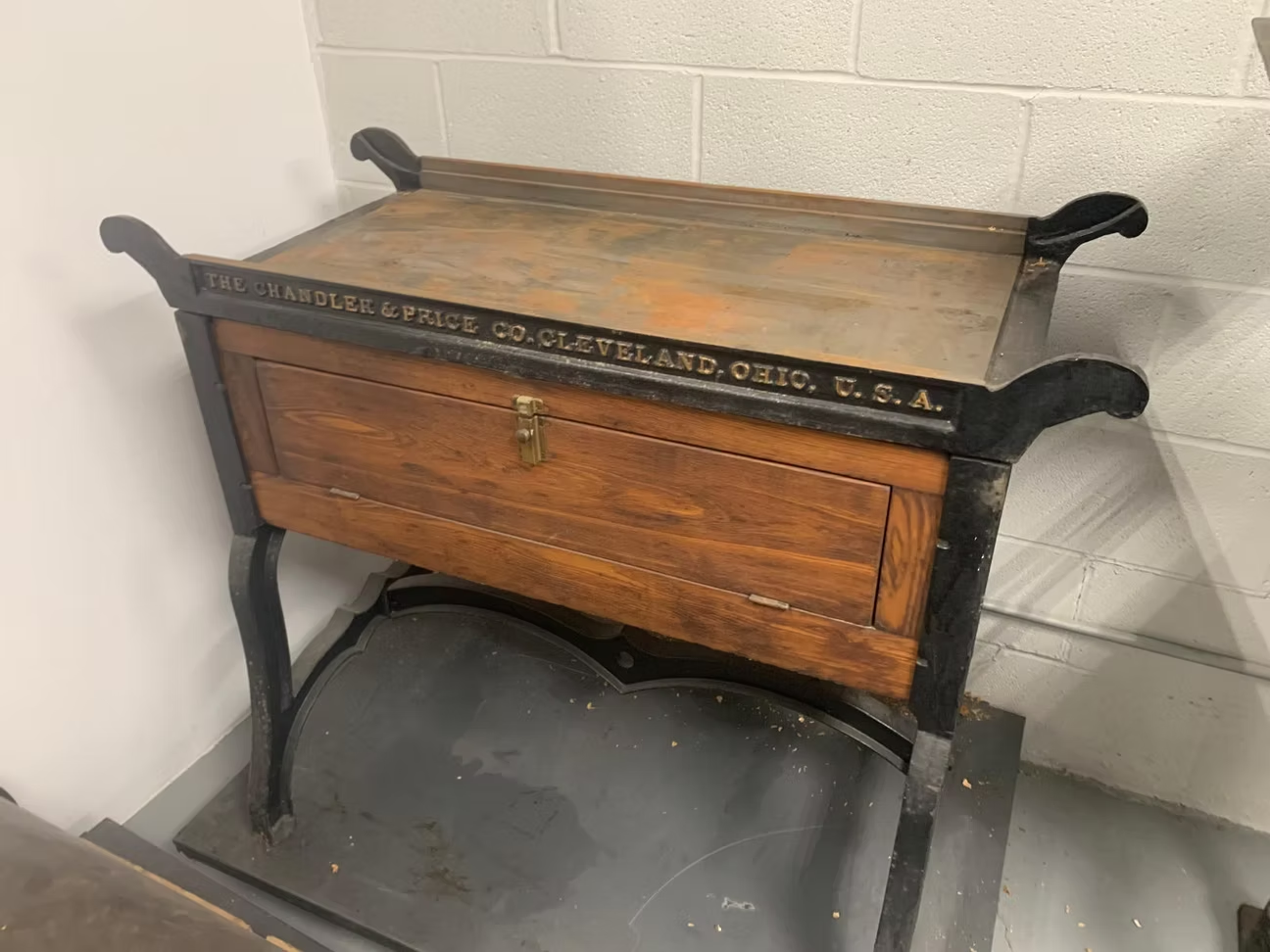
6-N-11 1920’s , Chandler & Price Co., Challenge manual Proof
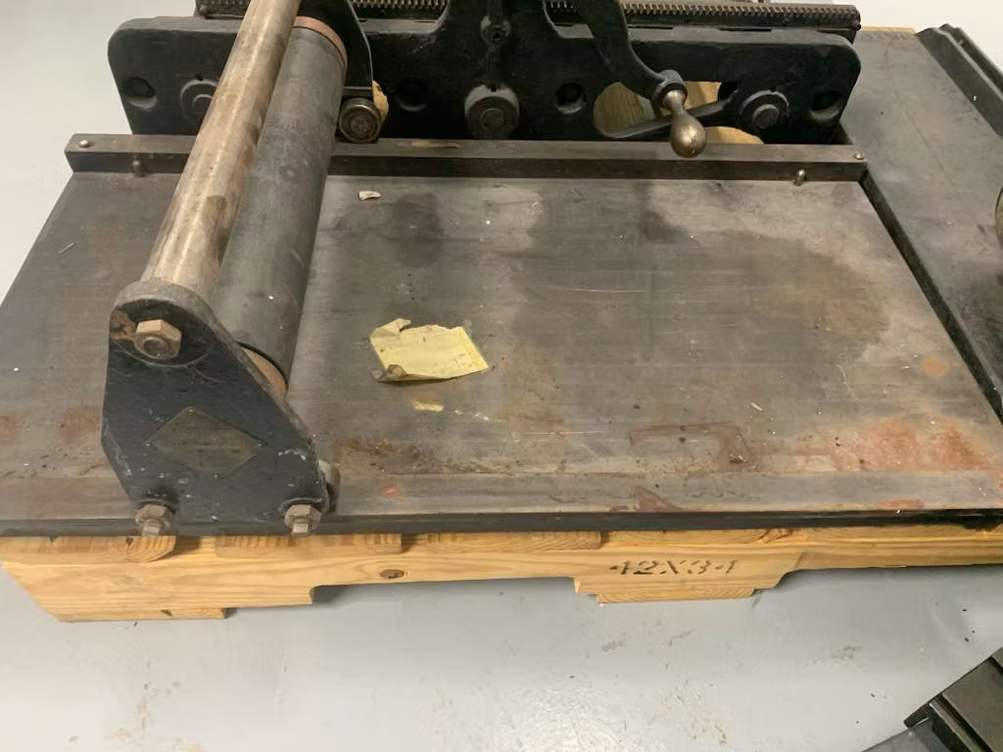
6-N-12 1887, small table Top printer, unknown
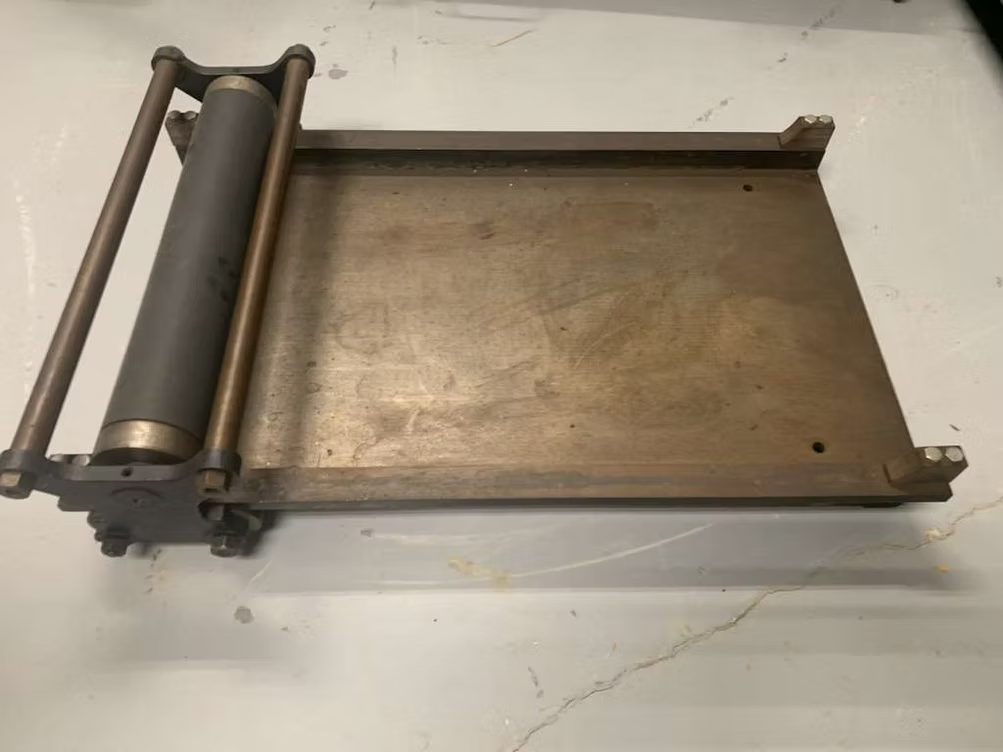
6-N-13 1887, small table Top printer, unknown 2
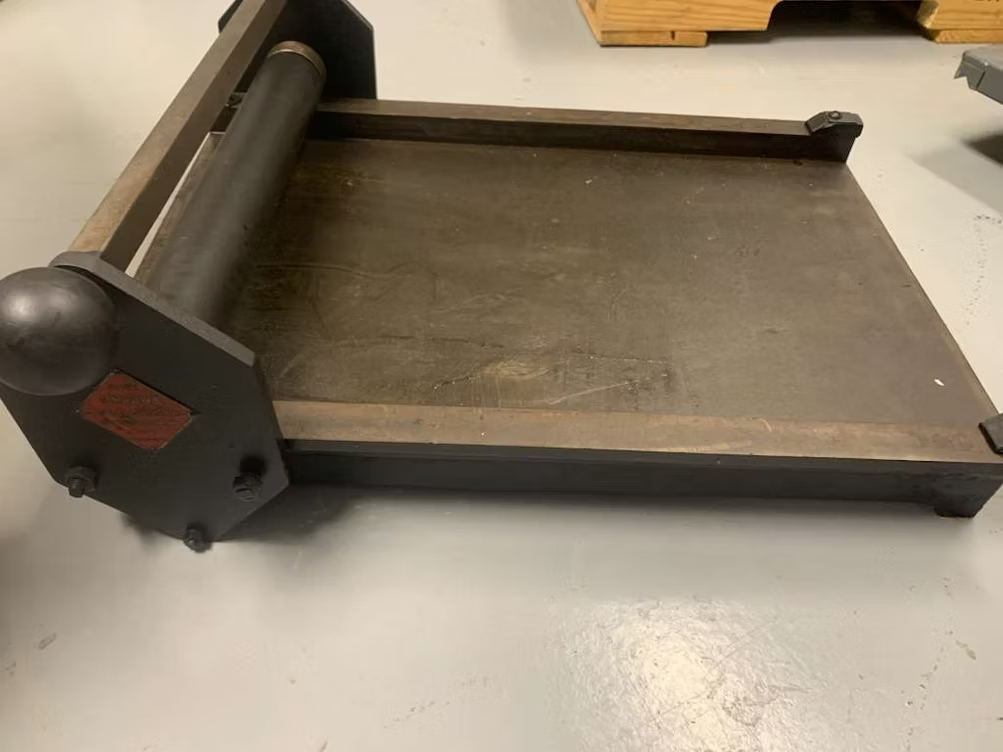
6-N-14 Cerca 1890, Vandercook, table top, ball bearing Mfg Vandercook & sons , chi , I’ll