



K- Early Offset
Early Offset
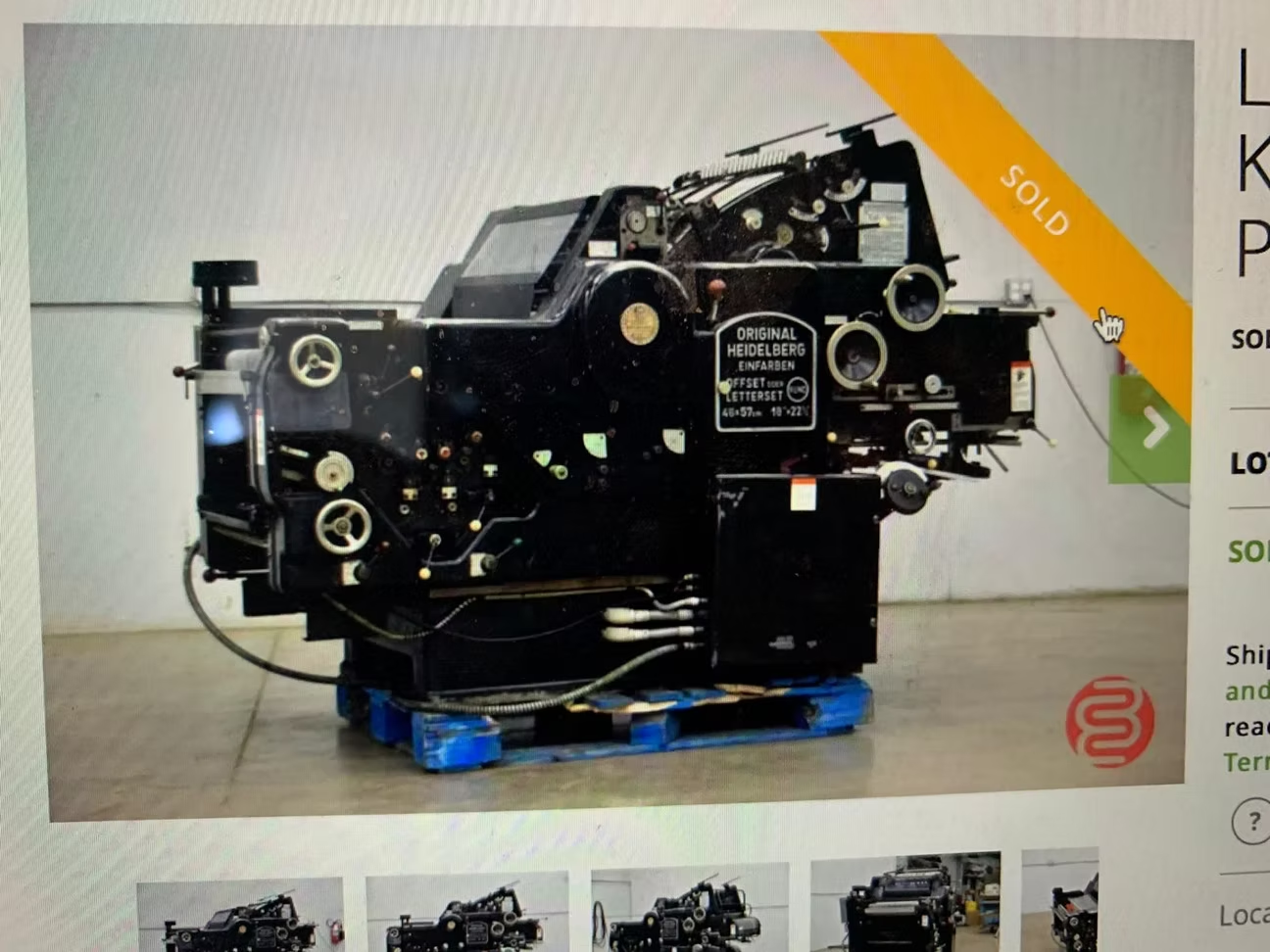
Early offset printing introduced a major change in the way images and text were transferred onto paper. Instead of printing directly from type or a plate onto the sheet, offset printing used an intermediate surface, often a rubber blanket, to carry the image before pressing it onto paper. This process helped create cleaner impressions, smoother coverage, and more consistent results.
The development of offset printing gave printers new flexibility in producing books, newspapers, magazines, forms, posters, advertising pieces, and commercial materials. It was especially valuable for detailed images, larger print runs, and projects that required steady quality from the first sheet to the last.
Early offset presses still required careful preparation and skilled operation. Printers had to manage plates, ink, water balance, paper movement, pressure, and registration. The process may have improved production quality and efficiency, but it also introduced new technical demands that required training, experience, and close attention.
At Demers, Gutenberg, Franklin Museum, early offset printing helps visitors see how the industry moved from traditional letterpress methods toward modern commercial printing. These machines represent an important bridge between historic presswork and the high-volume printed materials that shaped everyday communication in the twentieth century.
Gallery
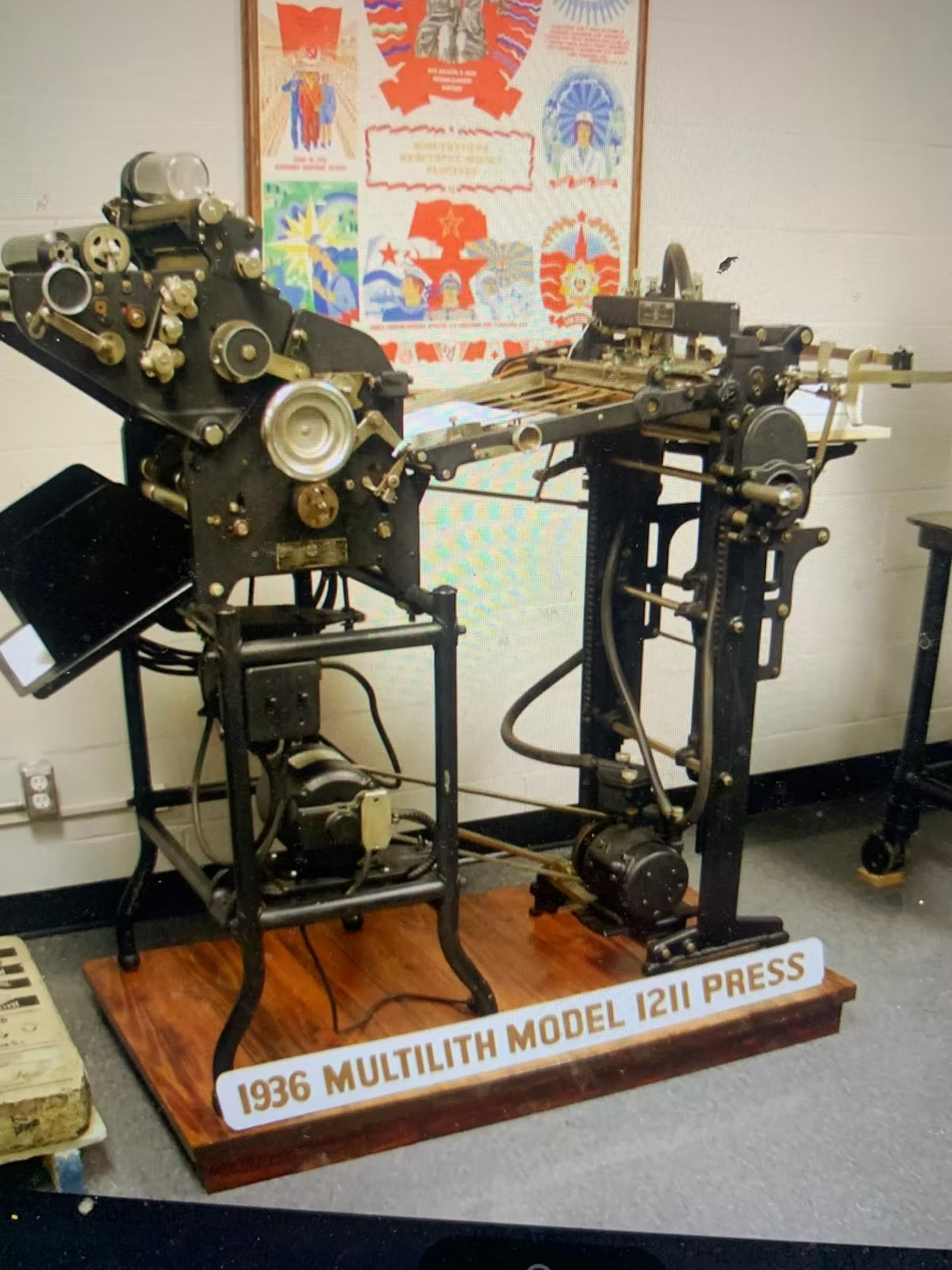
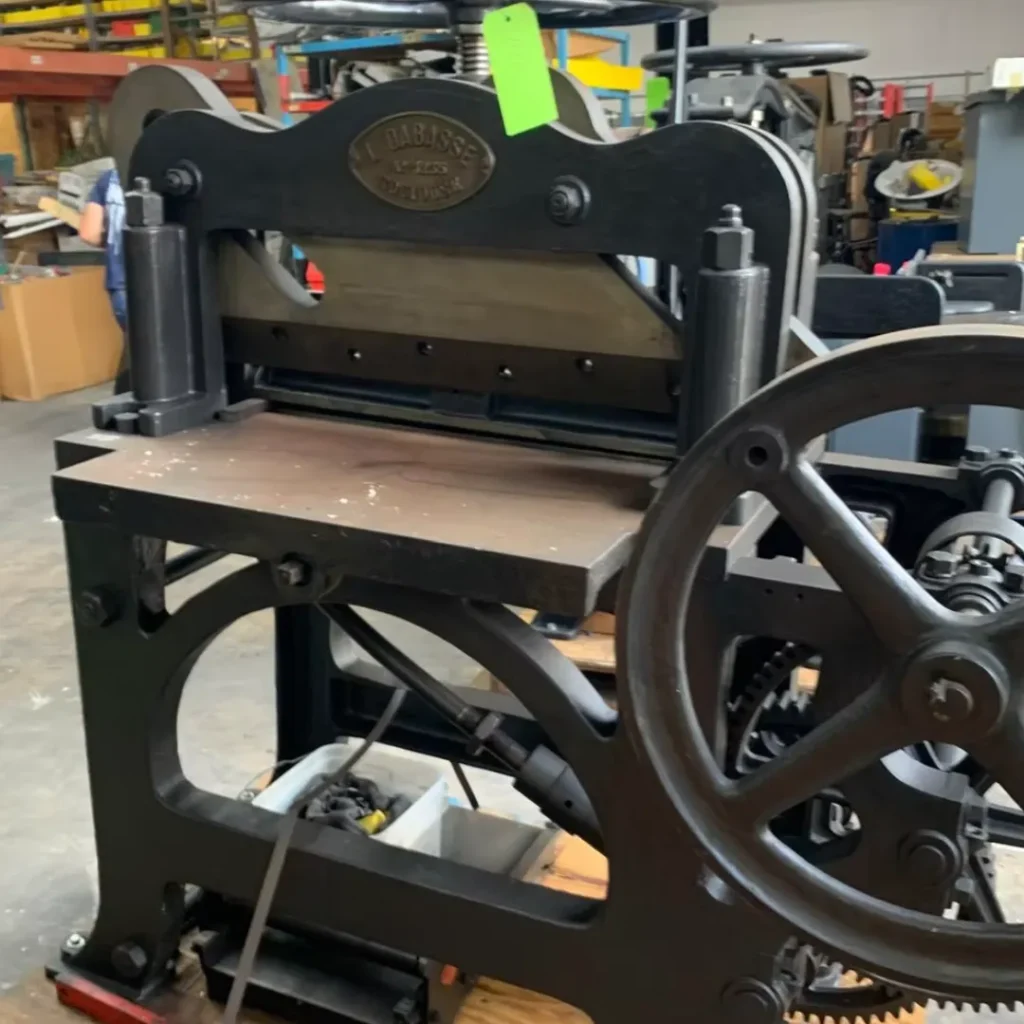
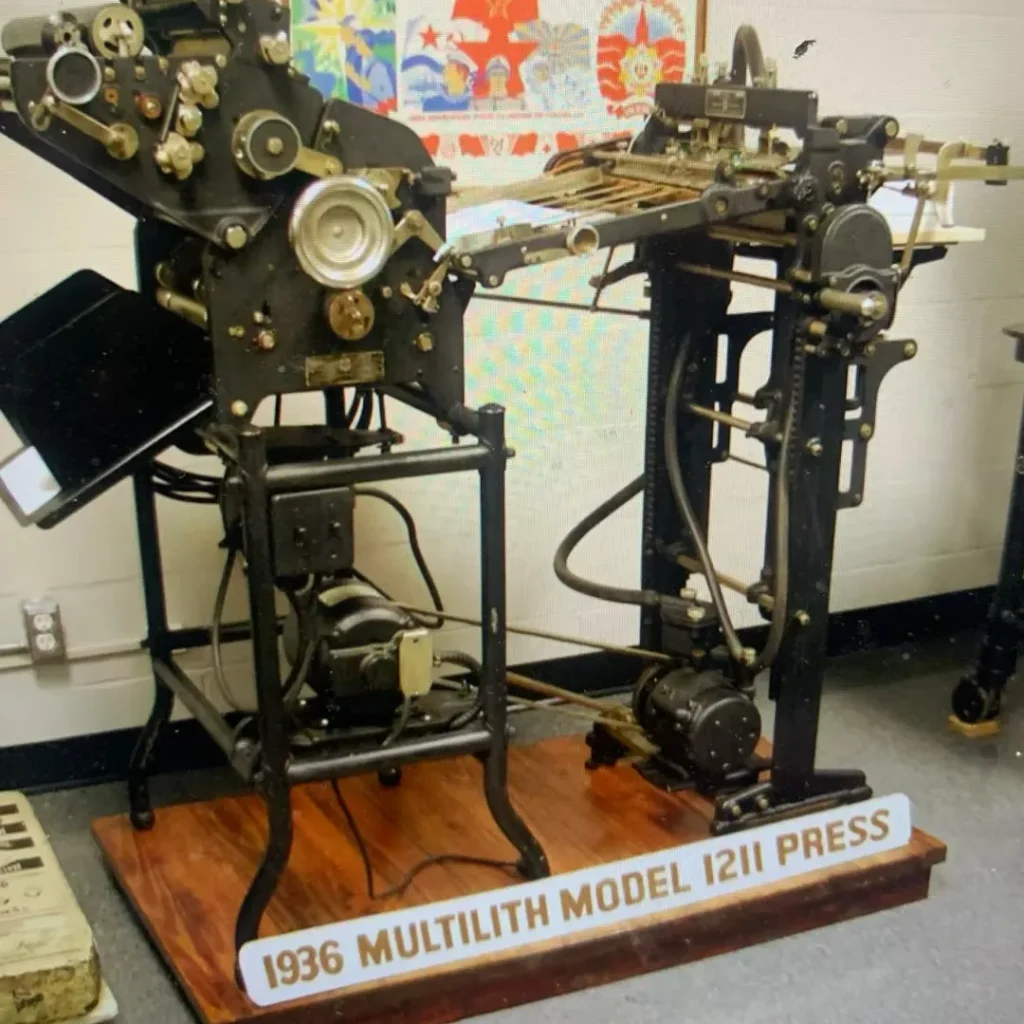
6-K-1 1936 Multilith Model 1211, ist offset press , Chicago
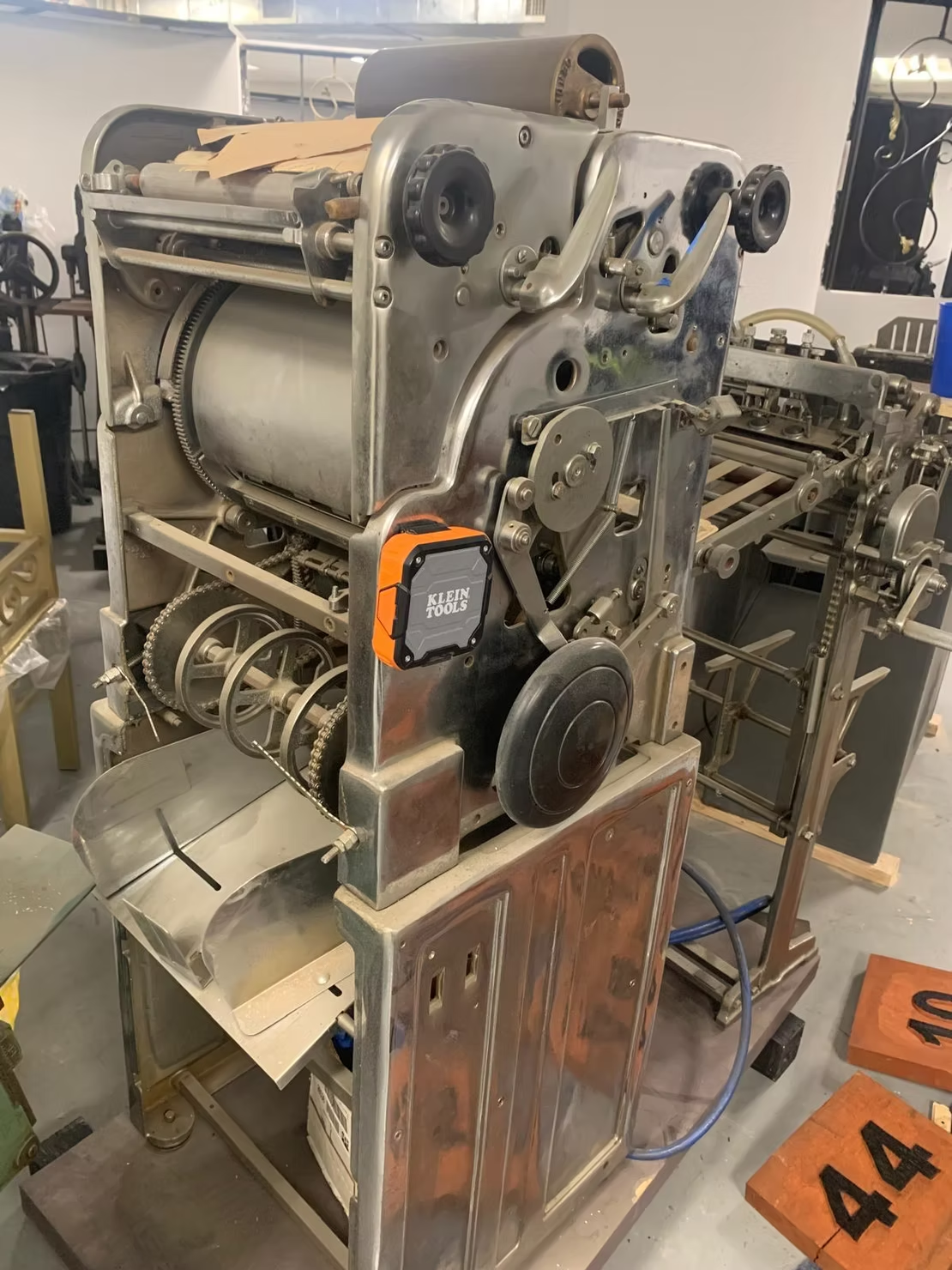
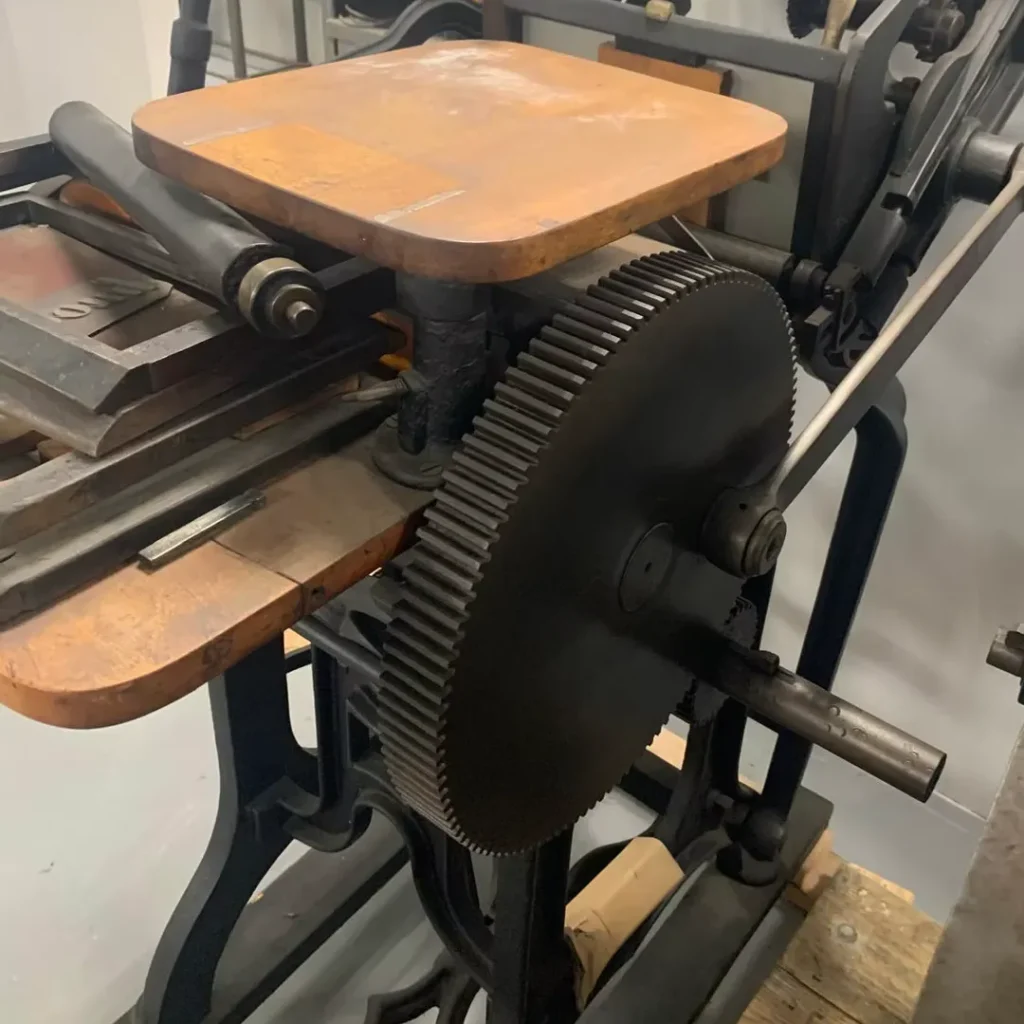
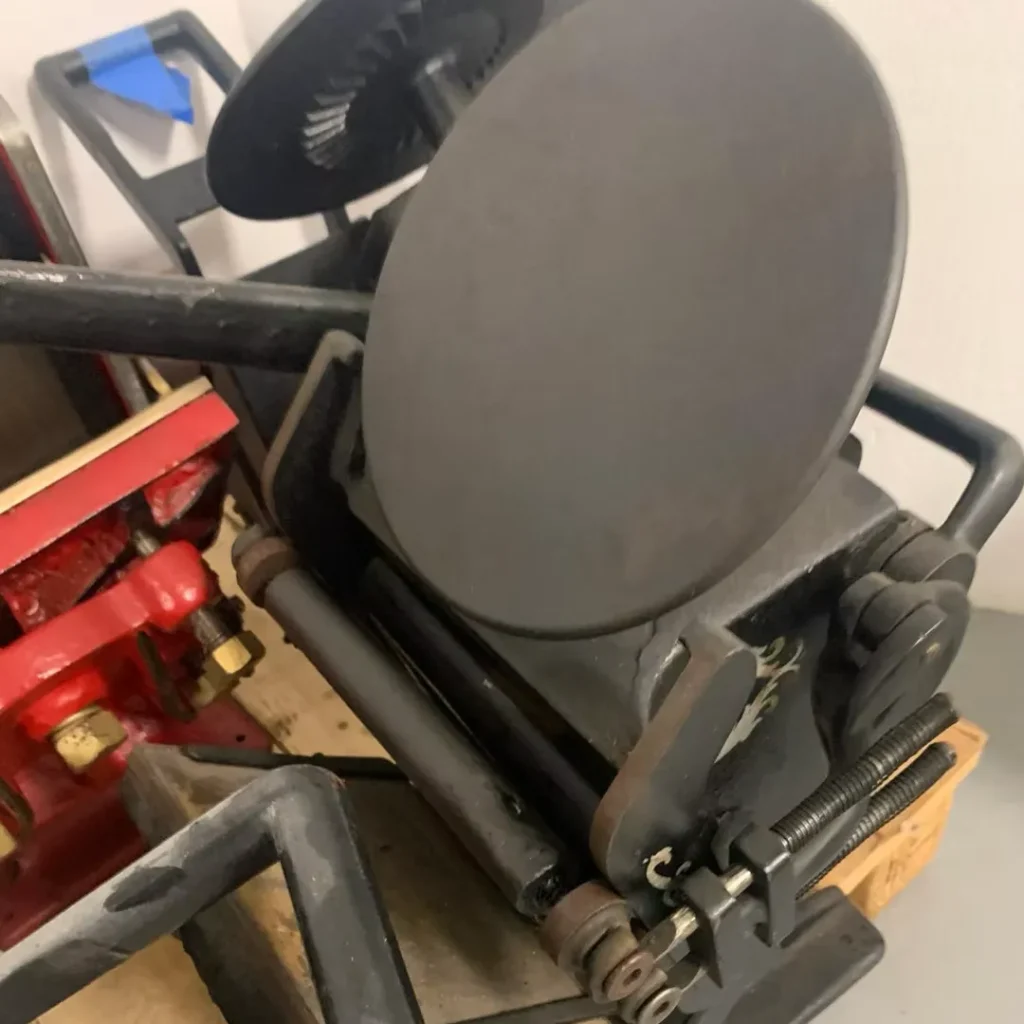
6-K-2 1967, Davidson 301, 11x 15 , special show machine silver tinted, offset press , mfg Davidson co , whitinsville , mass USA
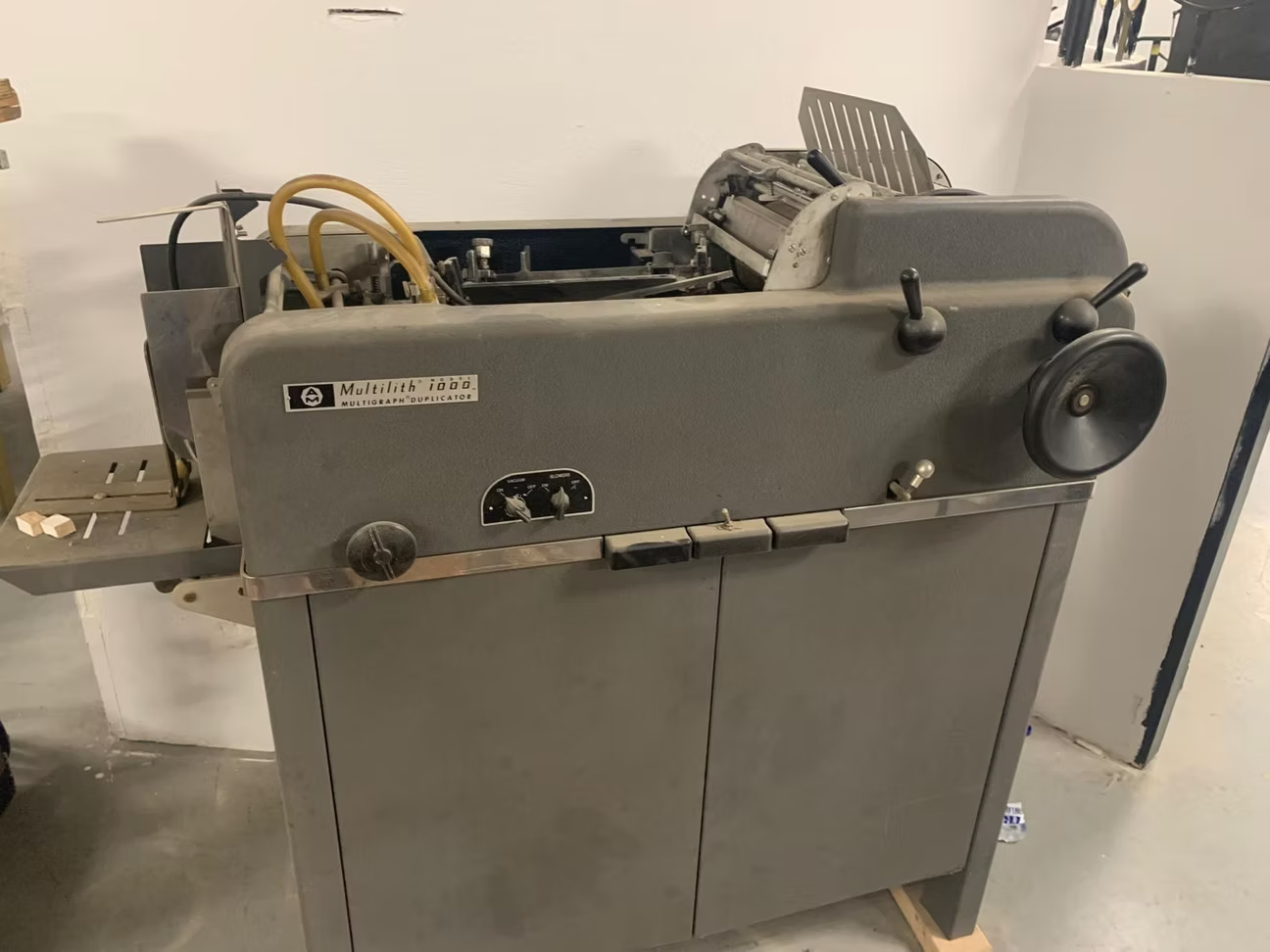
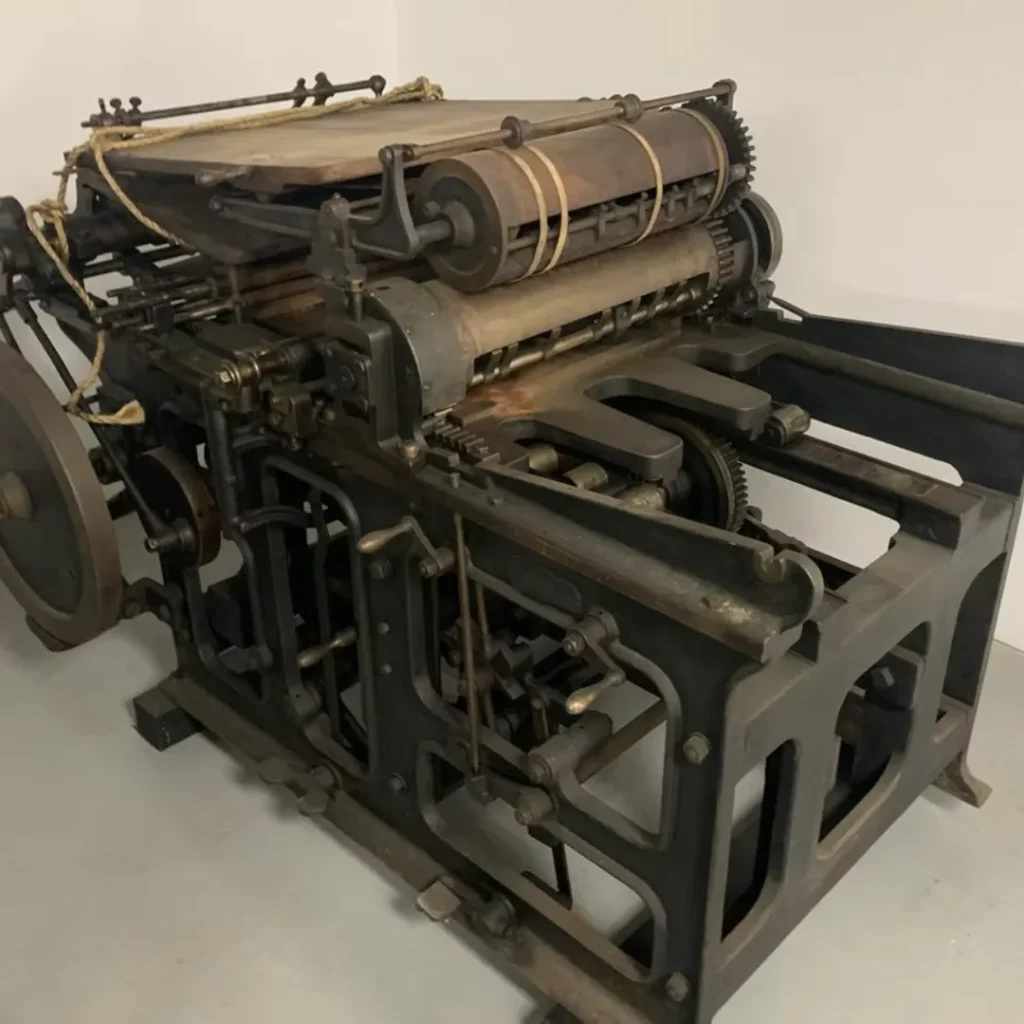
6-K-3 1948, addressograph multilith Offset press chute delivery , mfg Chicago
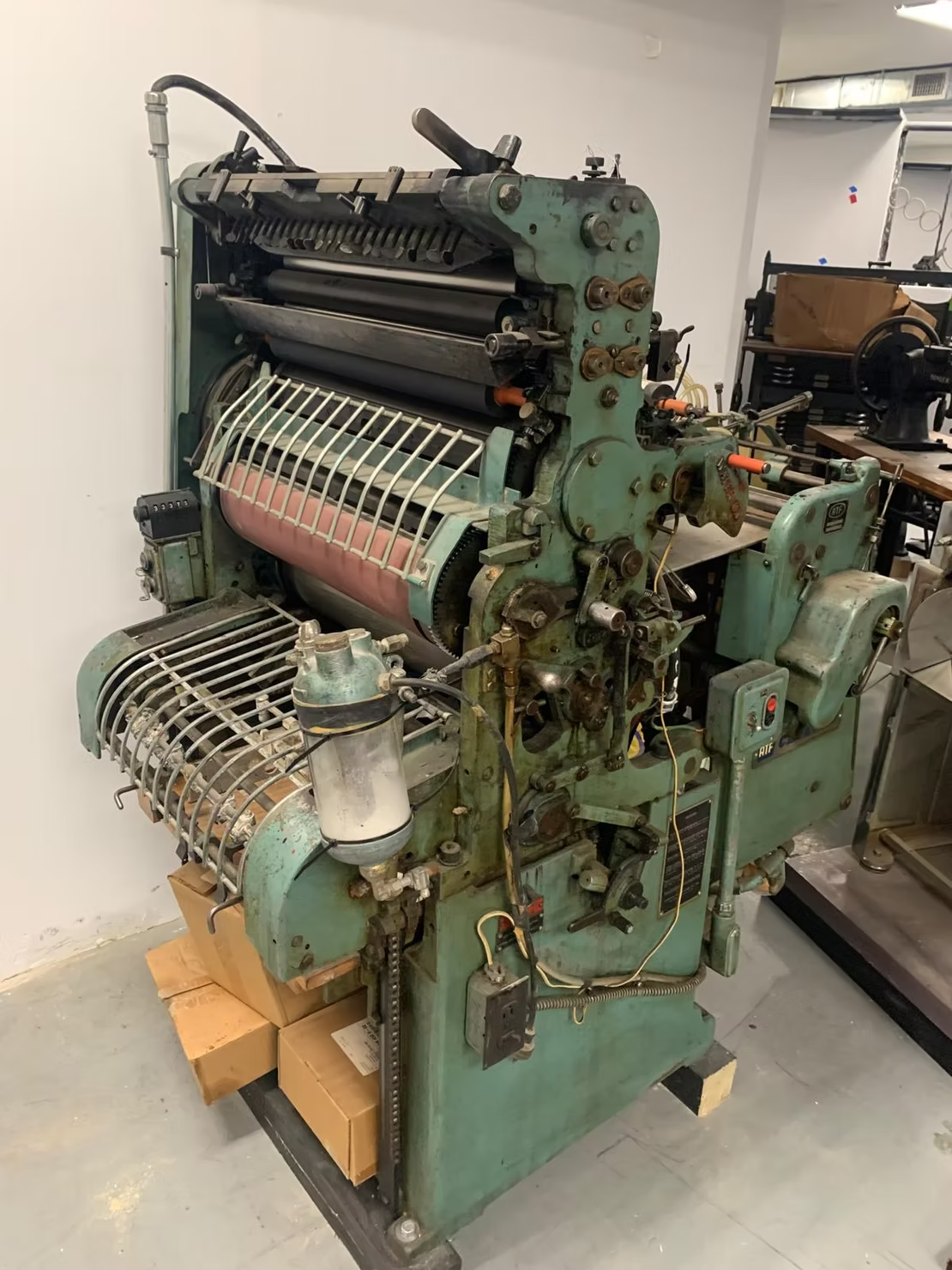
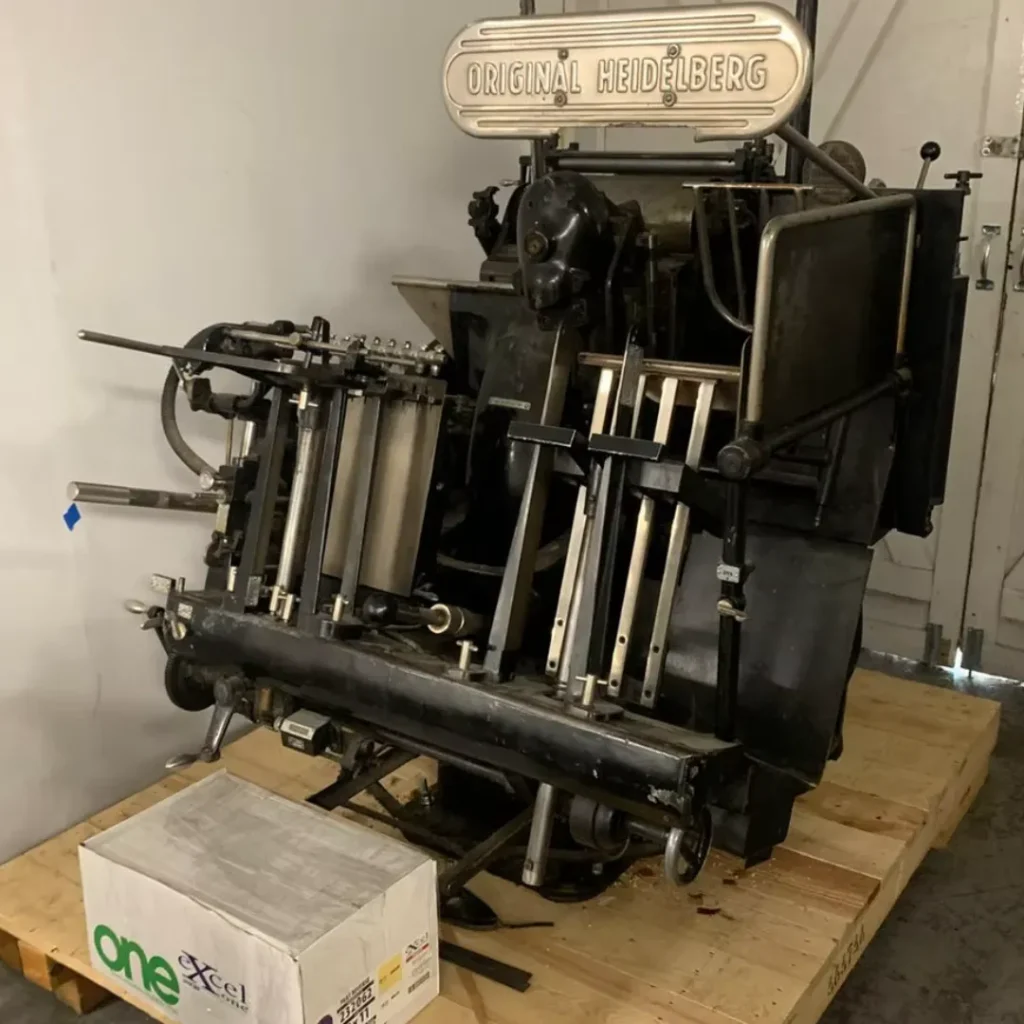
6-K-4 1964 , ATF CHIEF 20A, 14 x20 sheet, offset Press , mfg whitinsville , mass I operated in my Vallet Tech trade high school