

Numbering Machines
Numbering Machines: Precision in Print
The invention of numbering machines marked a significant advancement in the evolution of printing and documentation. Designed to automatically print sequential numbers, these mechanical devices became essential tools for organizing, tracking, and authenticating printed materials.
Their origins can be traced to the rapid expansion of printing and commerce in Europe during the 18th and 19th centuries, when industries required efficient methods to number items such as tickets, invoices, banknotes, and official records.
Early Development and Innovation
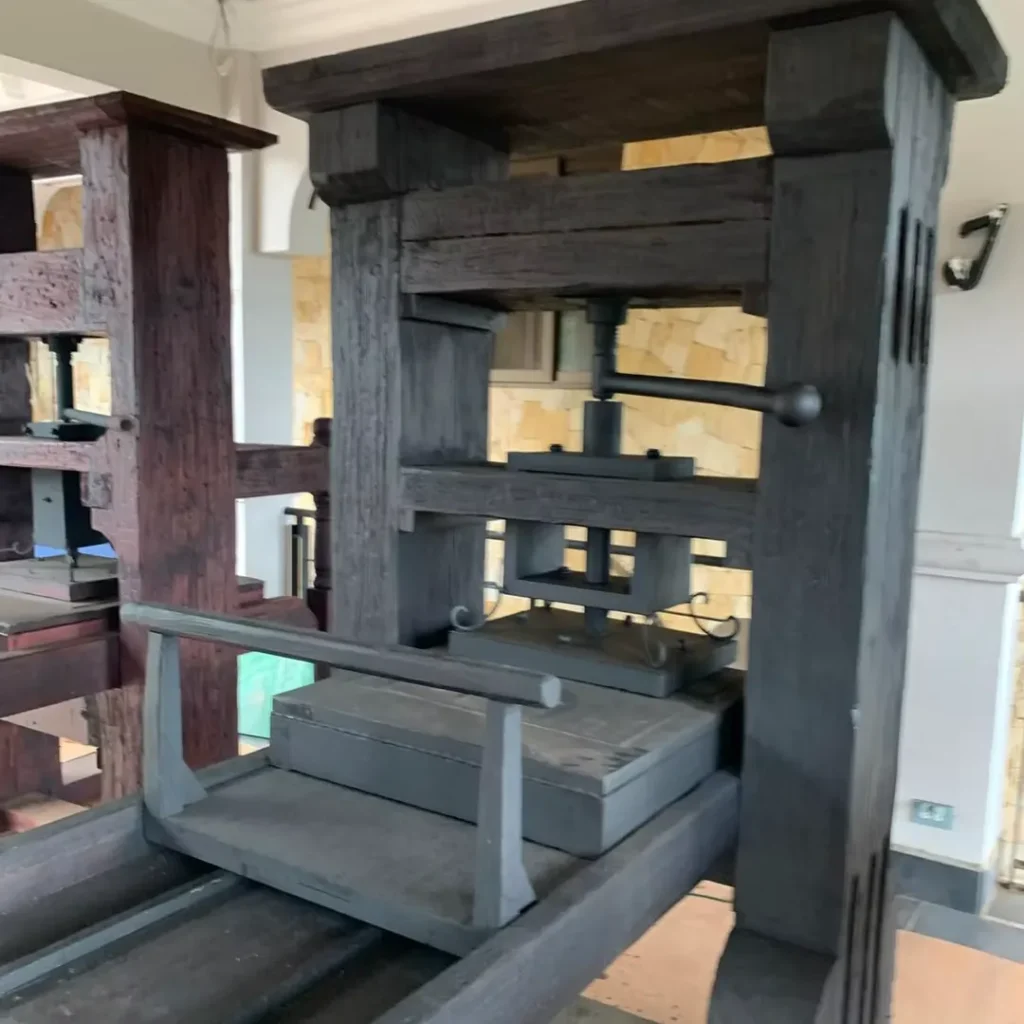
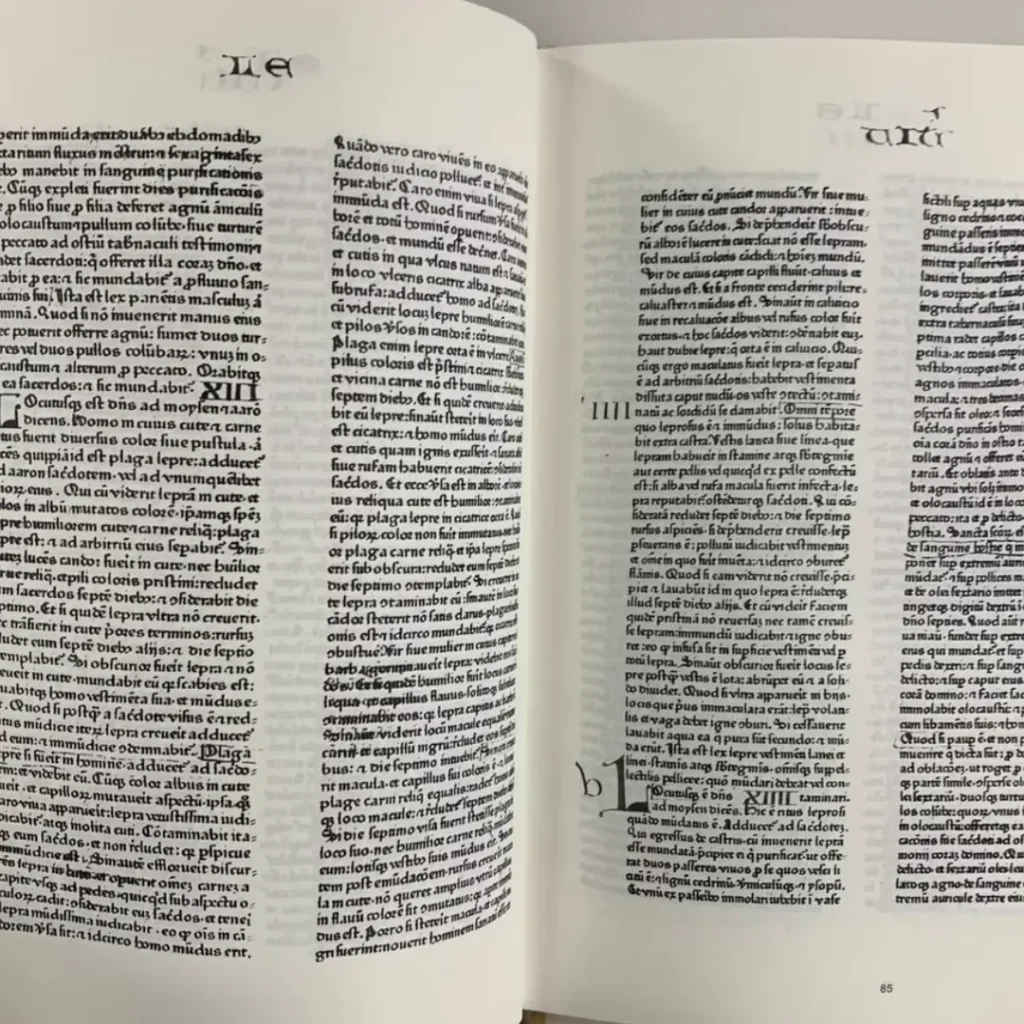
As printing technology evolved following the innovations of Johannes Gutenberg, the need for automation grew. Printers sought ways to reduce repetitive manual work, especially in numbering documents.
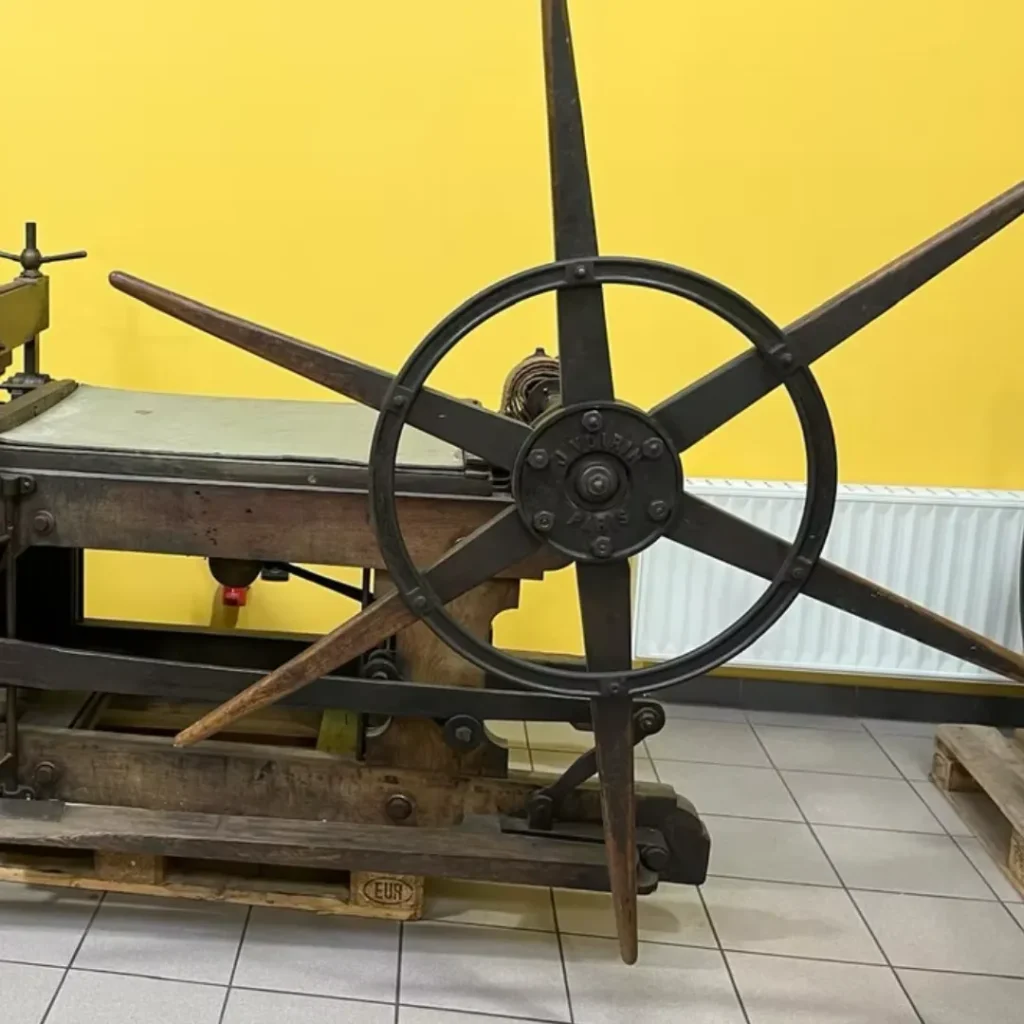
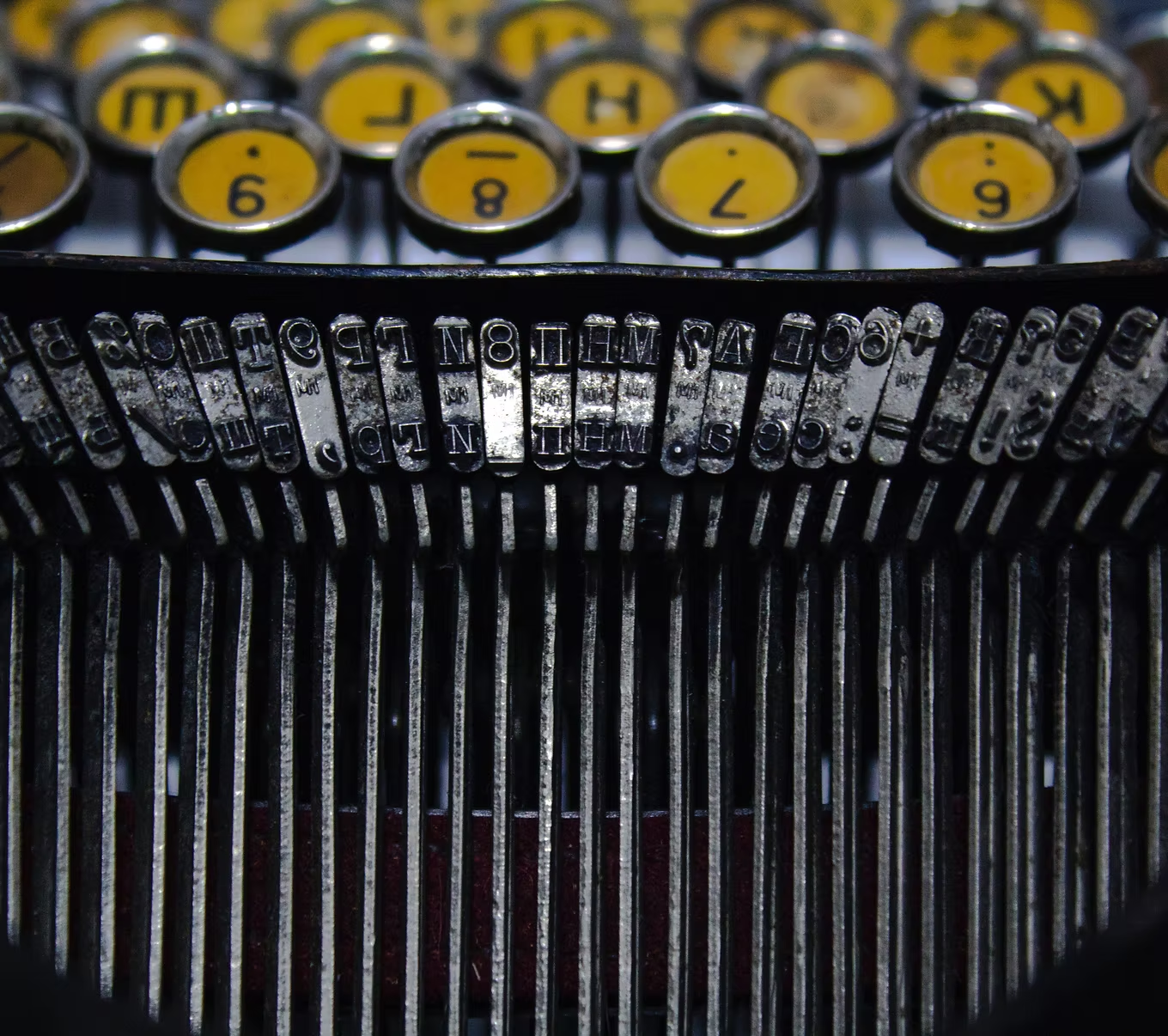
Early numbering devices were mechanical and operated using rotating wheels engraved with digits. Each time the machine was pressed, the numbers would automatically advance in sequence. This innovation ensured both accuracy and efficiency, reducing human error in large-scale printing tasks. By the 19th century, numbering machines had become standard equipment in printing houses and administrative offices across Europe.
Mechanics and Functionality
Traditional numbering machines were compact yet highly sophisticated. Their main components included:
- Number wheels: Each wheel contained digits from 0 to 9
- Advancing mechanism: Allowed automatic incrementing after each impression
- Ink system: Either self-inking or manually inked
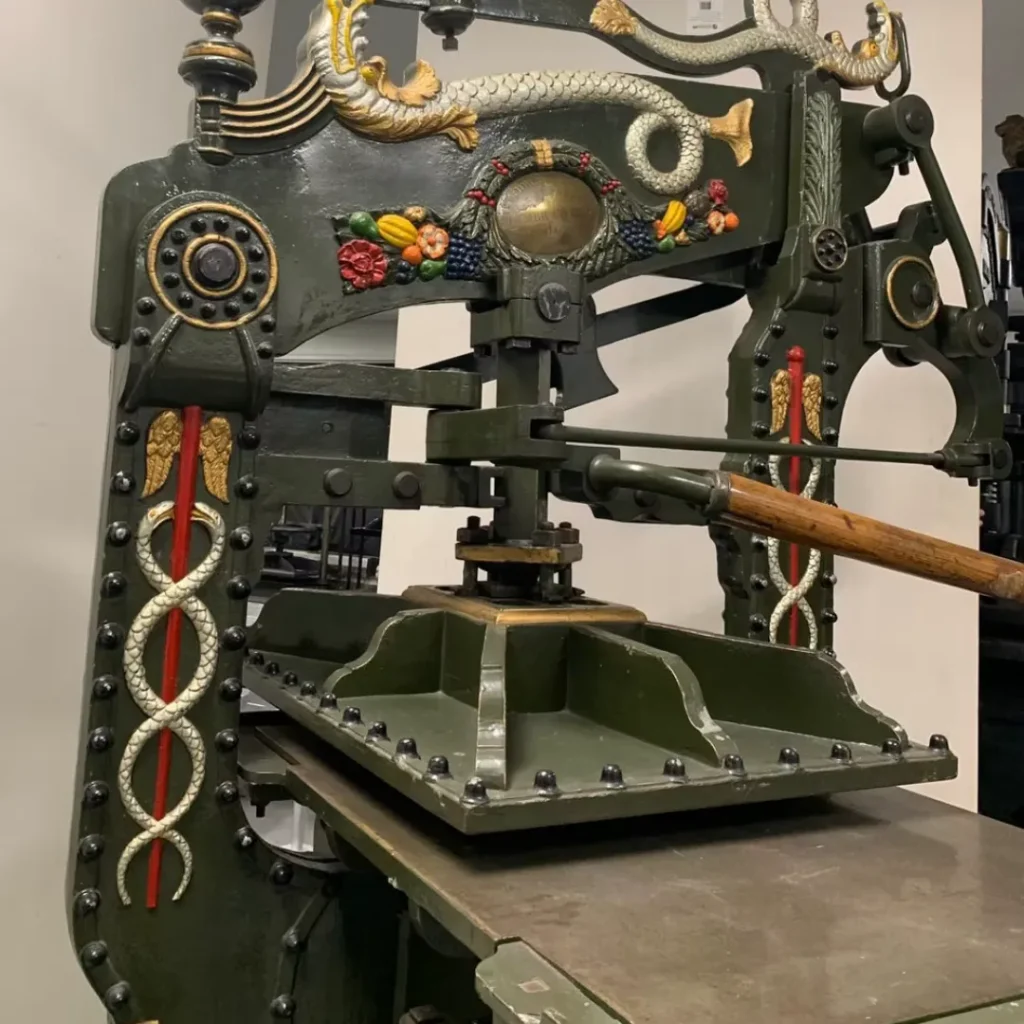
Frame and press: Enabled consistent pressure for clear, uniform prints
Custom Numbering Options
Some numbering machines allowed customization, giving printers greater control over how numbers appeared on finished materials. Depending on the machine, operators could set the device to repeat numbers, skip sequences, or print multiple identical numbers before advancing to the next one.
This flexibility was especially useful for tickets, invoices, forms, receipts, certificates, labels, and record-keeping materials. Printers could match the numbering pattern to the specific needs of a job, whether the project required single-number progression, duplicate copies, or organized batches.
These custom options made numbering machines valuable tools in busy print shops and offices. They helped improve accuracy, reduce hand-numbering labor, and create printed materials that were easier to track, organize, and verify.
Industrial and Administrative Impact
Numbering machines played a crucial role in the modernization of bureaucratic and commercial systems. They were widely used for:
- Tickets for transportation and events
- Financial documents such as checks and receipts
- Legal and governmental records
- Inventory and product tracking
Final Reflection for Visitors
From simple rotating wheels to sophisticated digital systems, numbering machines embody the transition from manual craftsmanship to automated precision. Each printed number tells a story of organization, control, and the growing complexity of human society.