








Press on Gutenberg

The Gutenberg Press: A Turning Point in Communication
The invention of the printing press by Johannes Gutenberg in the mid-15th century stands as one of the most important milestones in the history of communication. Developed in Mainz around 1440, the Gutenberg Press transformed the way information was produced, shared, and preserved.
Before this innovation, books were copied by hand, often by monastic scribes, making them rare, expensive, and time-consuming to produce. Gutenberg’s press introduced a faster, more efficient method that would change the world.

How the Press Worked
The Gutenberg Press combined several existing technologies into a powerful and innovative system:
- Movable metal type: Individual letters cast in metal could be arranged and reused
- Oil-based ink: Specially developed to adhere to metal type and transfer clearly onto paper
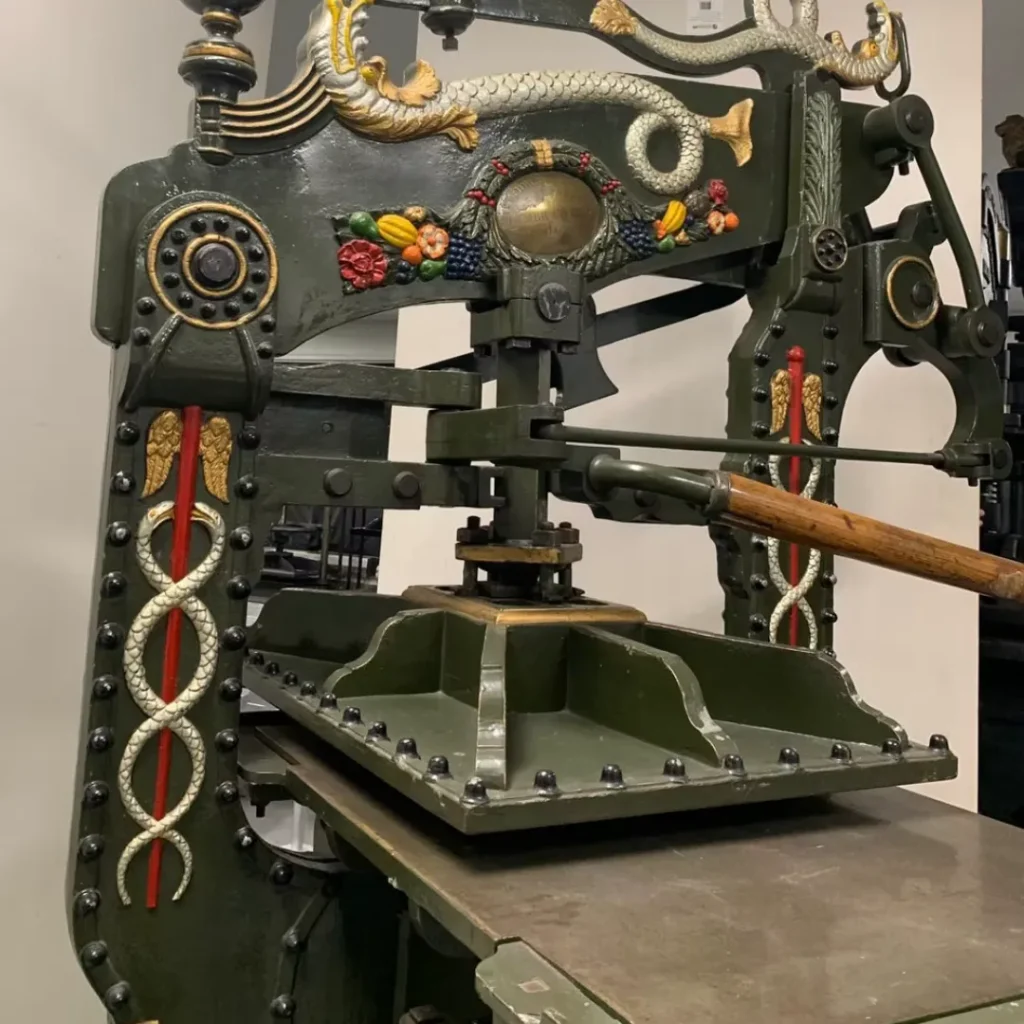
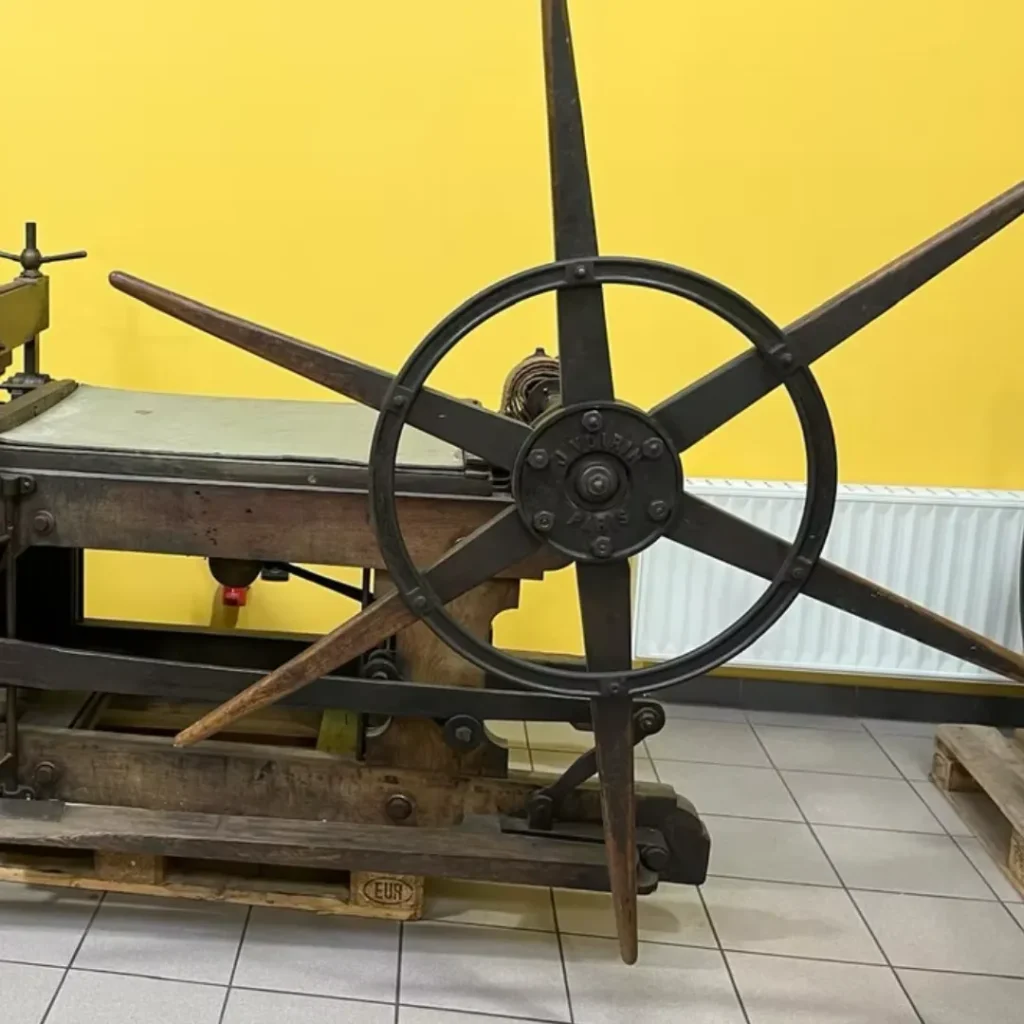
- Mechanical press: Adapted from wine and olive presses, it applied even pressure to transfer ink

The First Printed Books
One of the most famous works produced using this technology is the Gutenberg Bible, completed around 1455. It demonstrated the precision and beauty that printed books could achieve, rivaling even the finest handwritten manuscripts.

Impact on Society
The Gutenberg Press sparked a communication revolution across Europe and beyond. Its impact included:
- Mass production of books, making them more affordable
- Spread of literacy, as reading materials became widely available
- Rapid exchange of ideas, fueling scientific, religious, and cultural movements
- Standardization of texts, improving accuracy and consistency

A Legacy That Endures
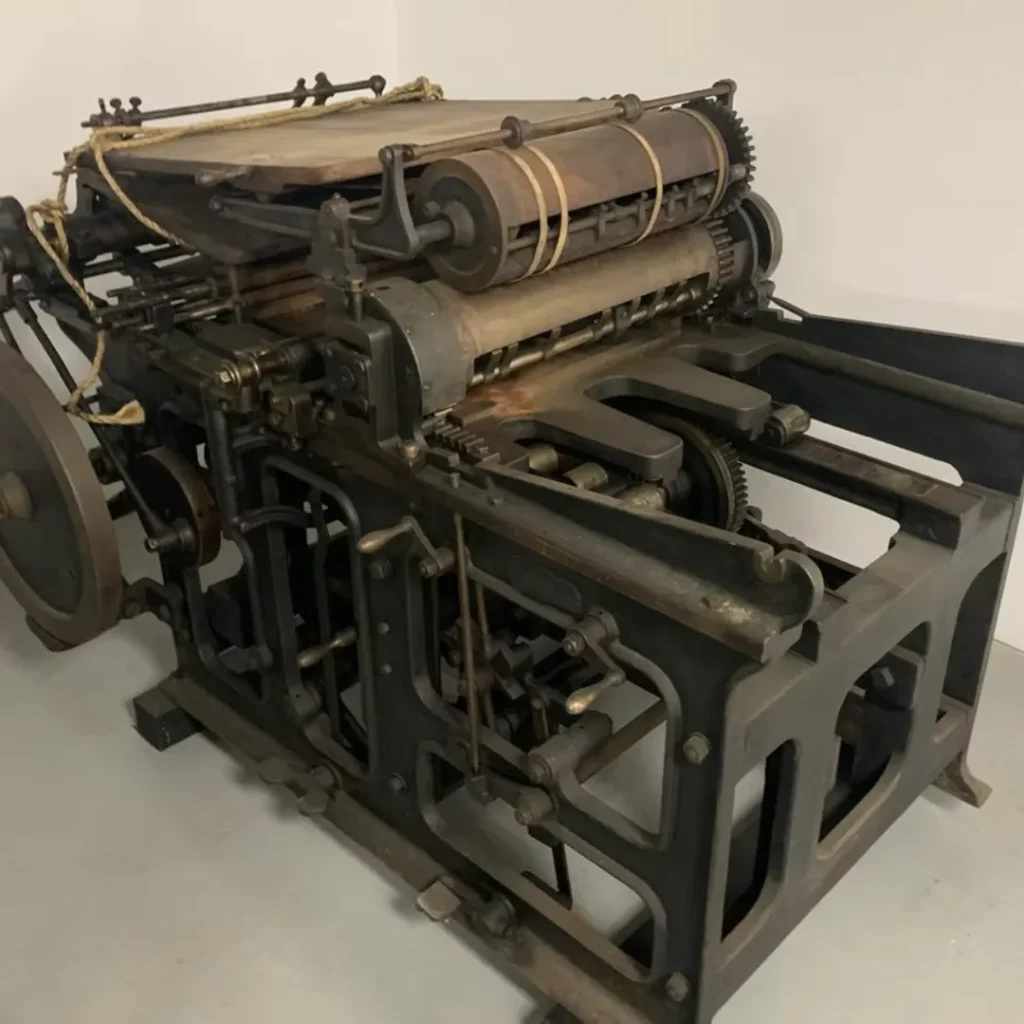
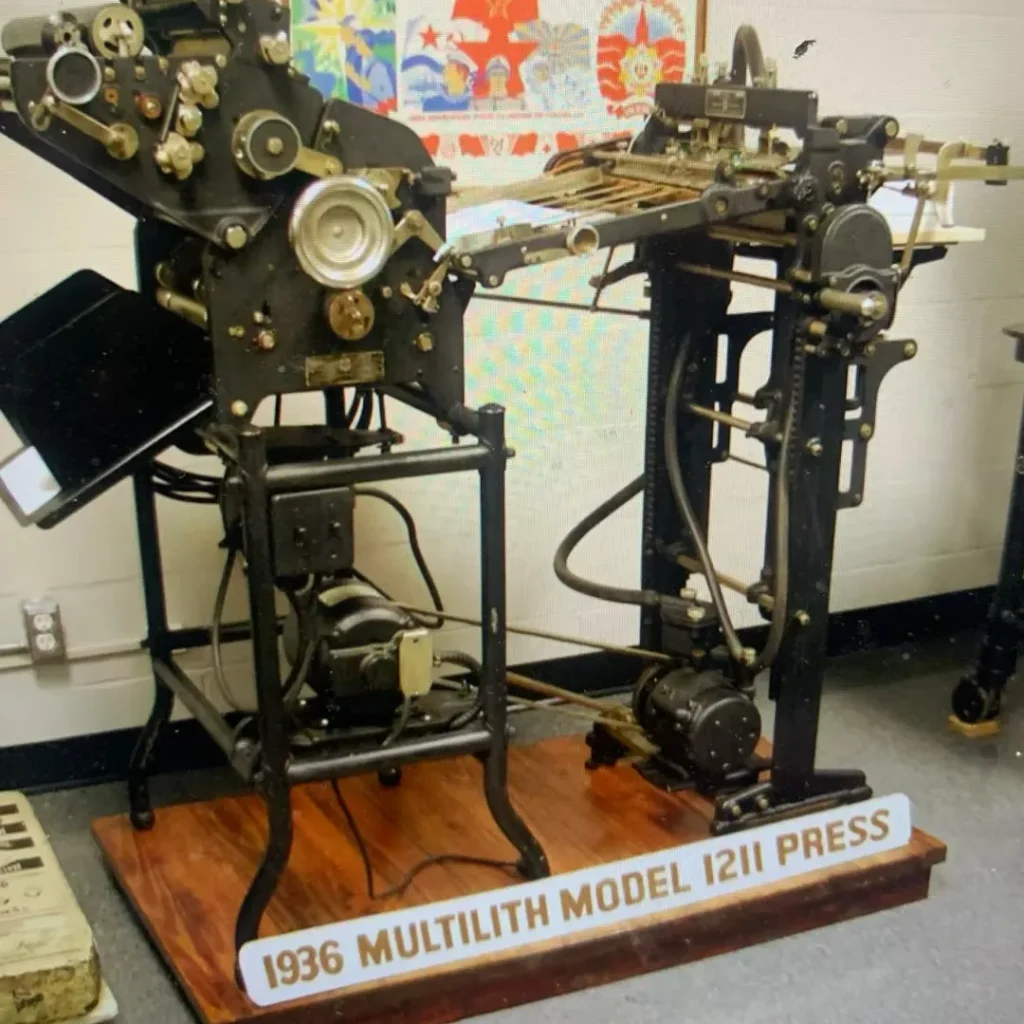
The principles behind the Gutenberg Press remain foundational to modern printing. Although today’s technologies are digital and highly automated, they still rely on the same core idea: reproducing information quickly and accurately for widespread distribution.

Final Reflection for Visitors
The Gutenberg Press did more than print books—it democratized knowledge. By making information accessible to a broader population, it helped shape the modern world and redefined how humans communicate, learn, and share ideas.