

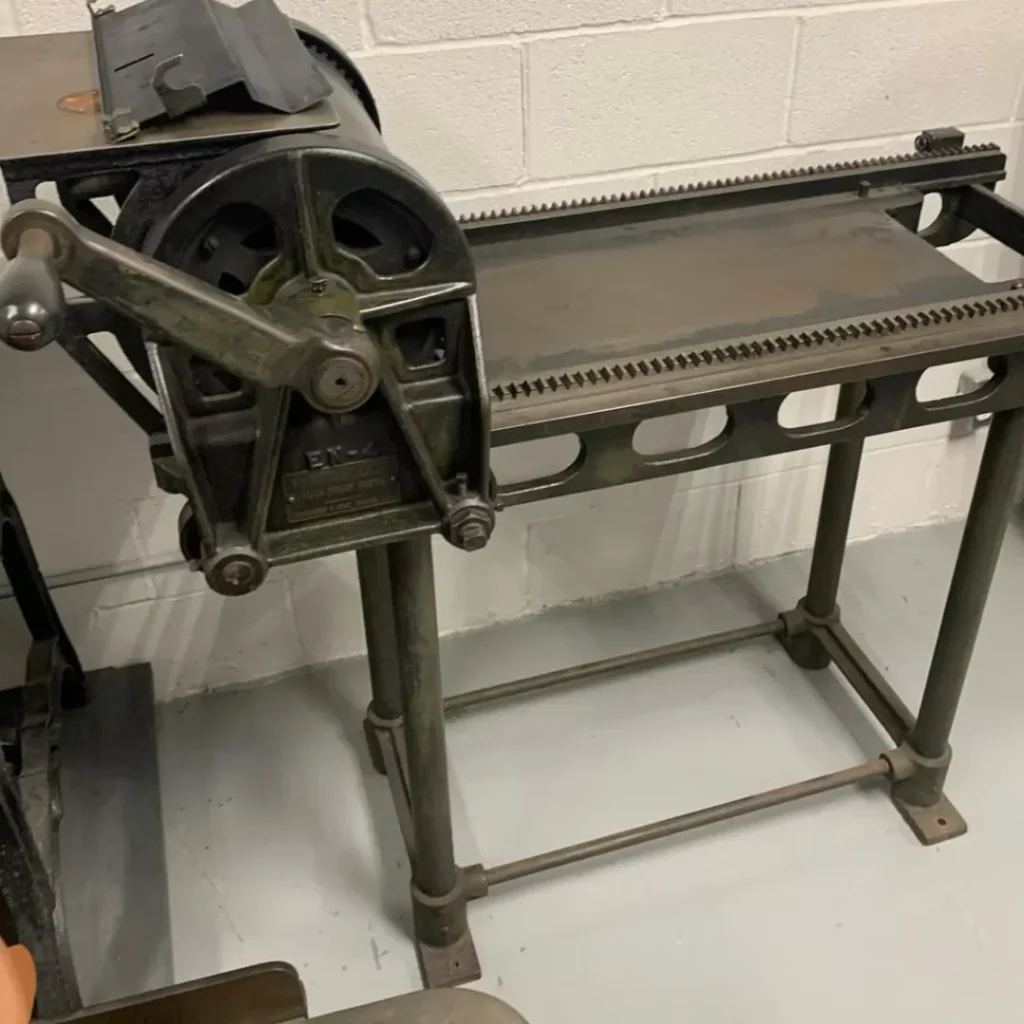
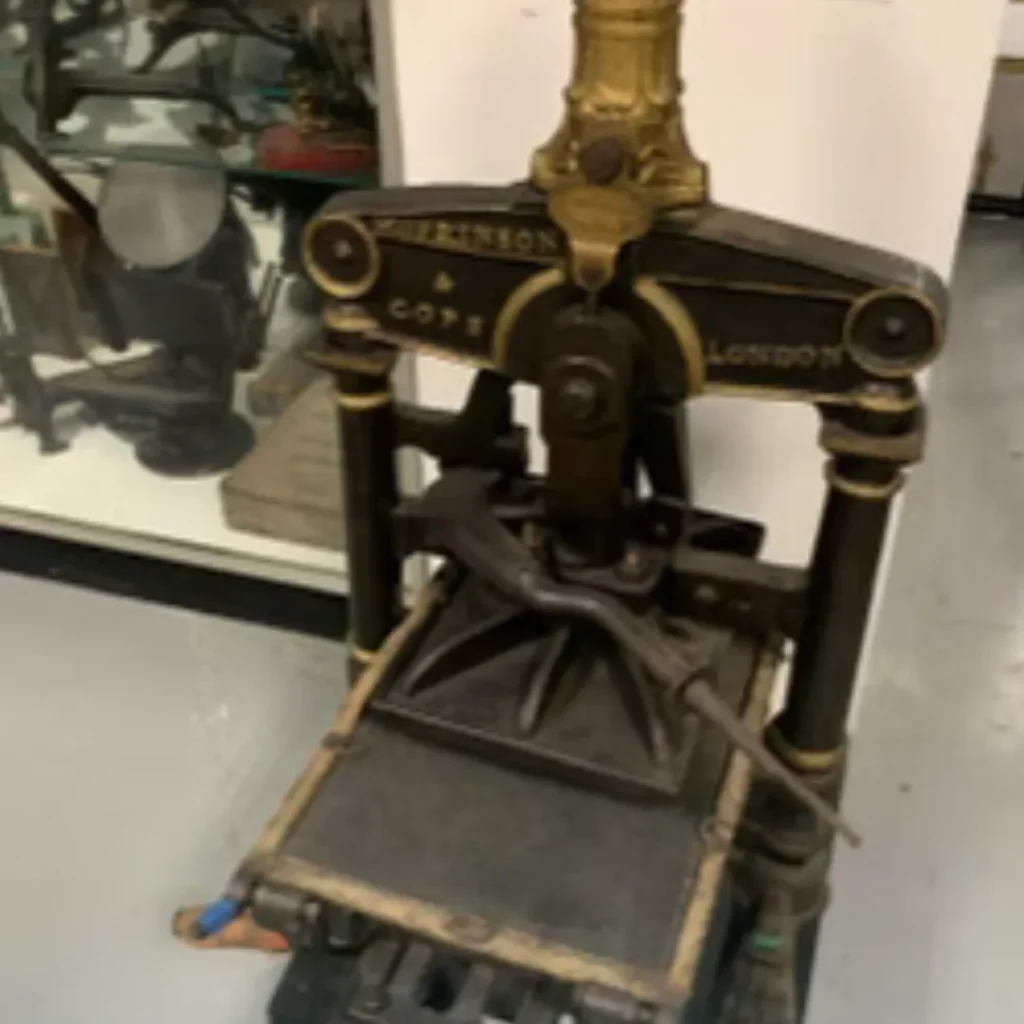

I- Standing Presses
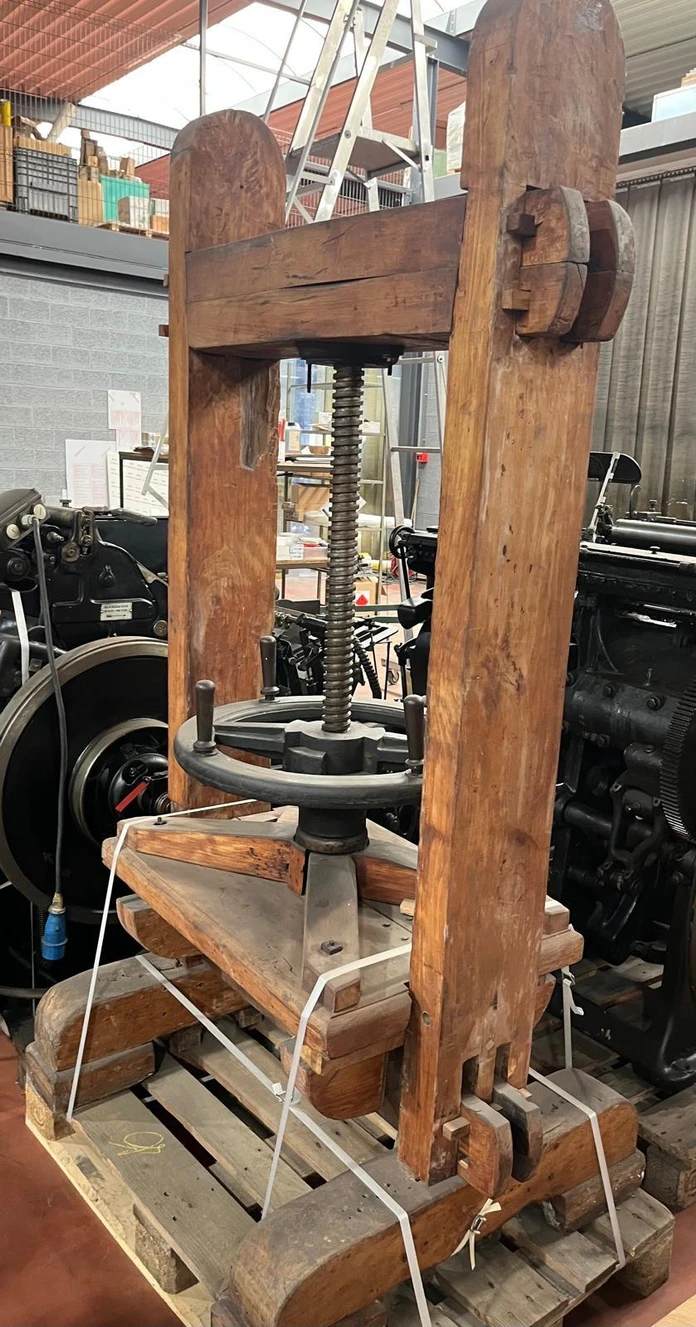
Standing Presses
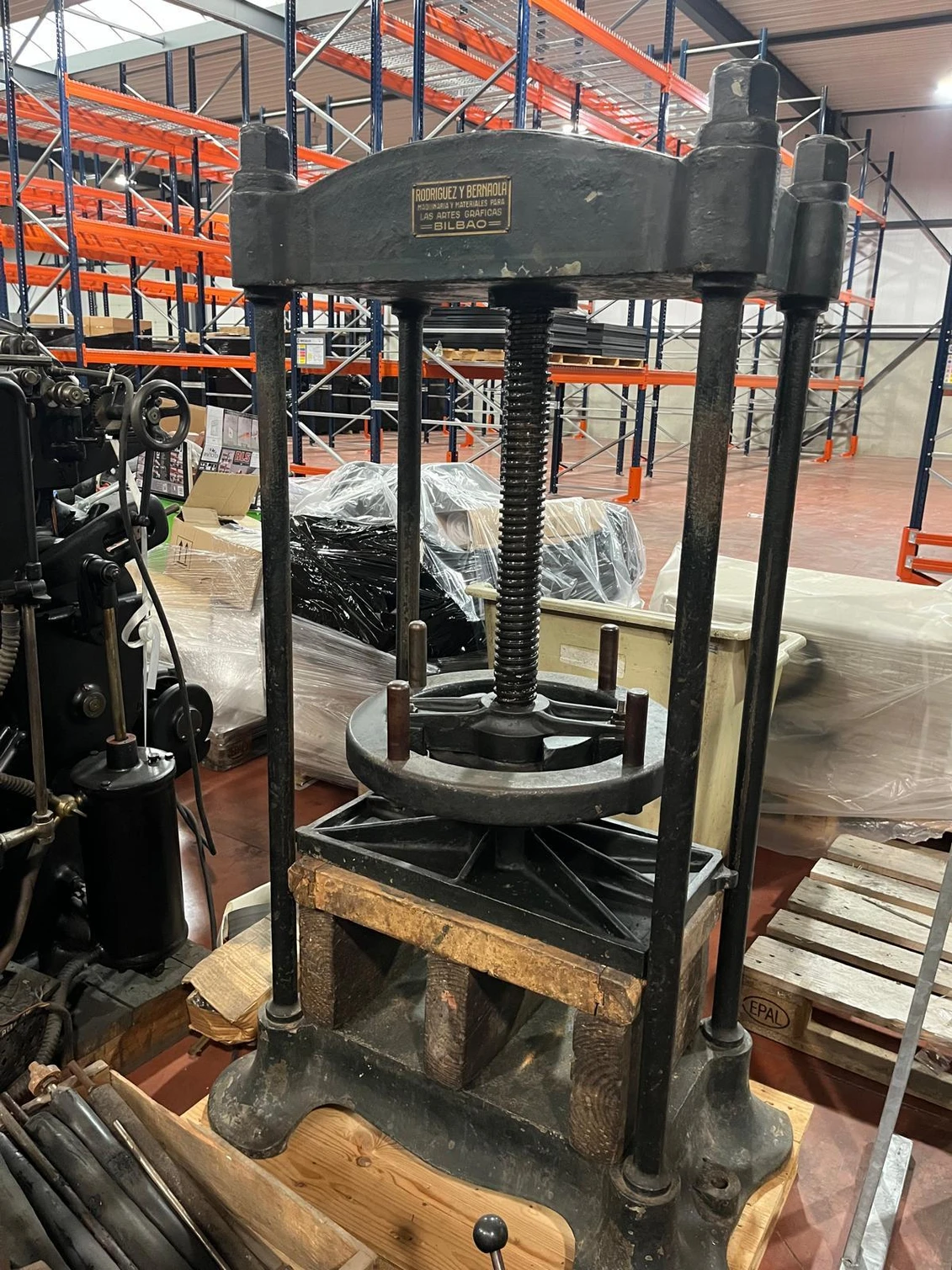
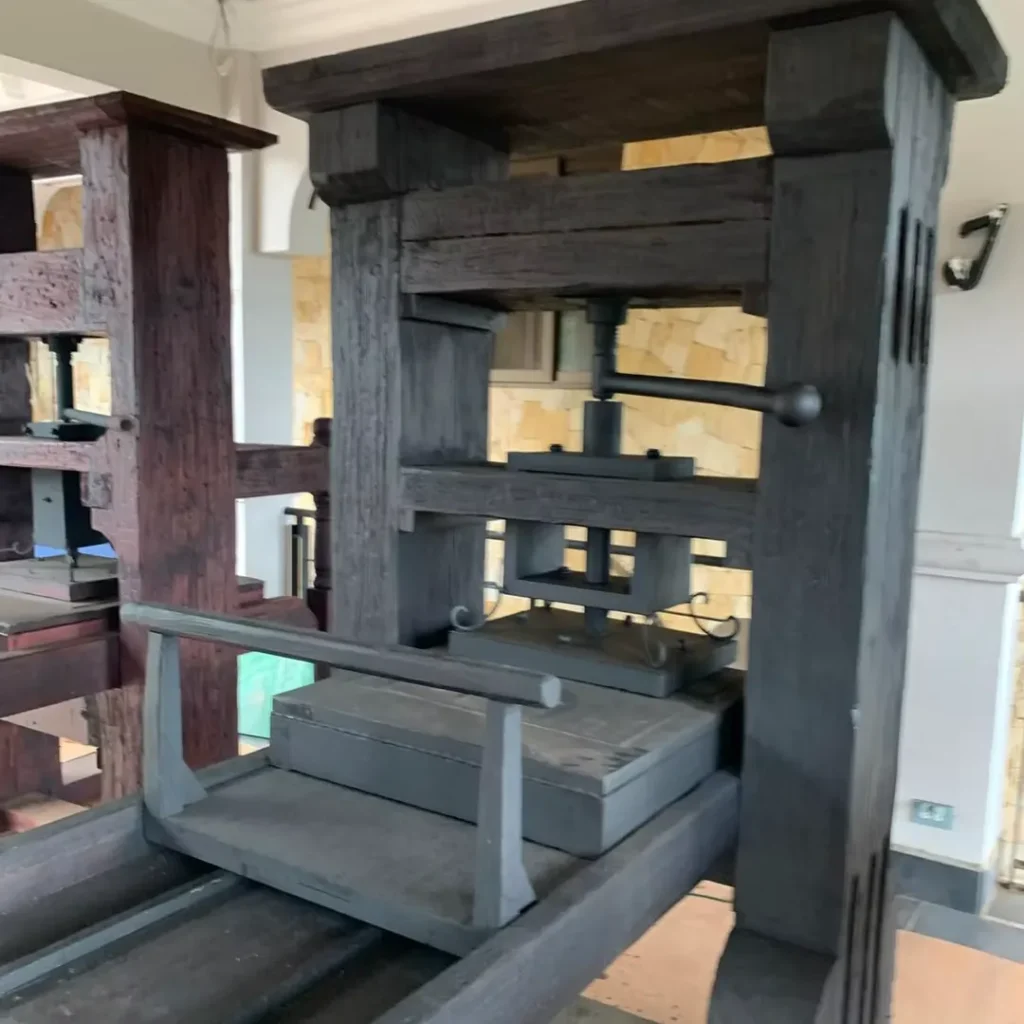
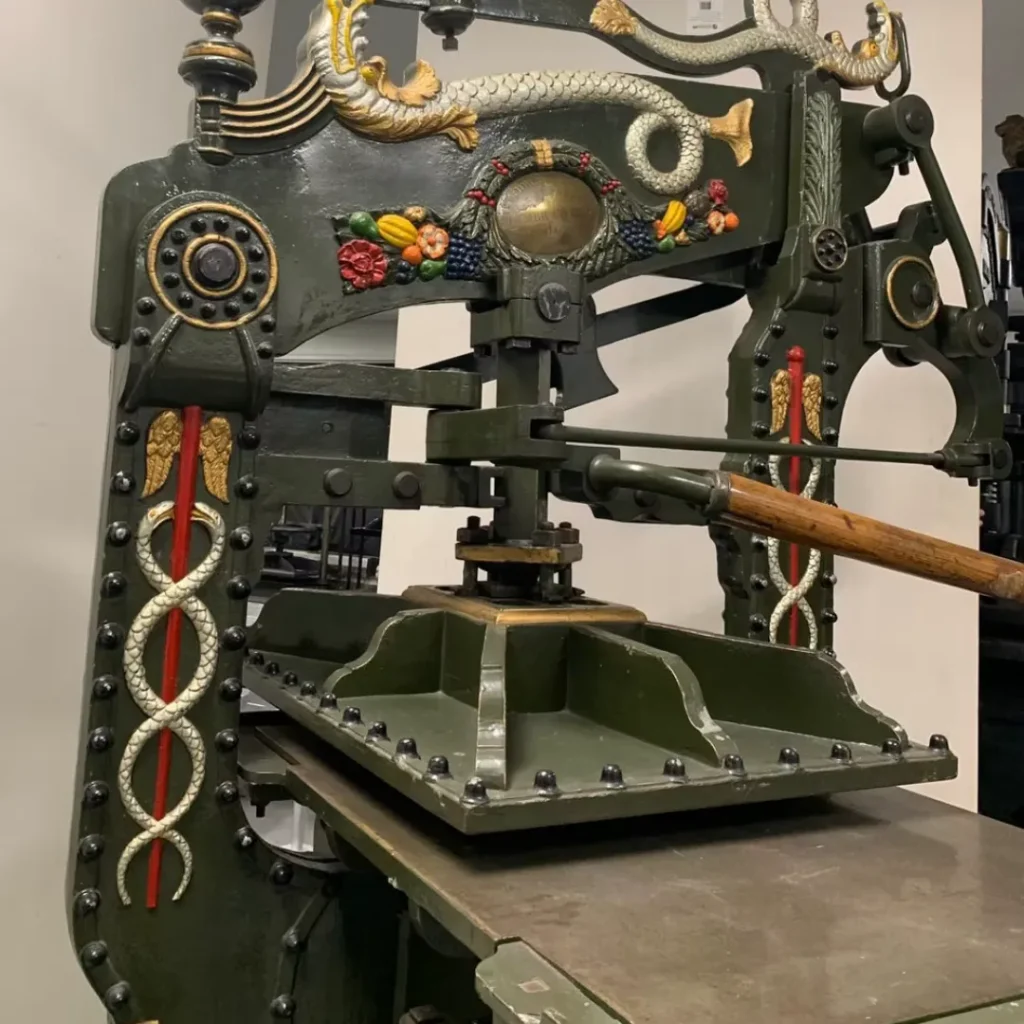
Standing presses played an important role in the world of printing, bookbinding, and paper preparation. These sturdy vertical presses were designed to apply steady pressure, helping printers and binders flatten paper, press folded sheets, secure glued materials, and finish printed works with clean, professional results.
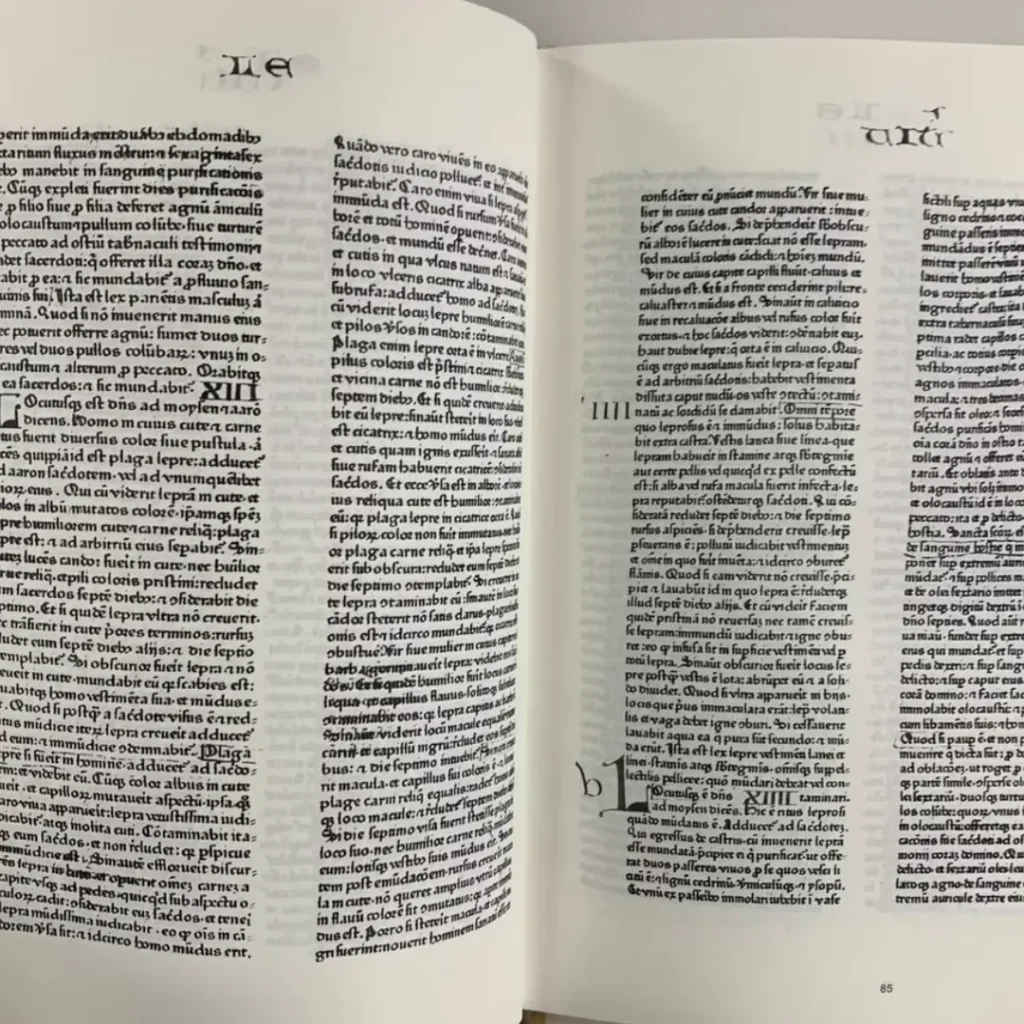
Unlike presses used to transfer ink onto paper, standing presses were often part of the finishing and binding process. After pages were printed, they frequently needed to be pressed, shaped, dried, or held firmly in place. This made the standing press a valuable tool in shops where books, documents, and printed materials required careful handling after printing.
The strength of a standing press came from its solid frame and controlled pressure. Operators could tighten the press to compress stacks of paper or bound materials, improving alignment and helping create a finished product that was neat, durable, and ready for use. It was a practical machine built for patience, pressure, and precision.
At Demers, Gutenberg, Franklin Museum, standing presses help visitors understand the full journey of printed material beyond the moment of impression. They show that print history includes preparation, finishing, preservation, and binding, all of which helped turn printed sheets into lasting books, documents, and works of communication.
Gallery
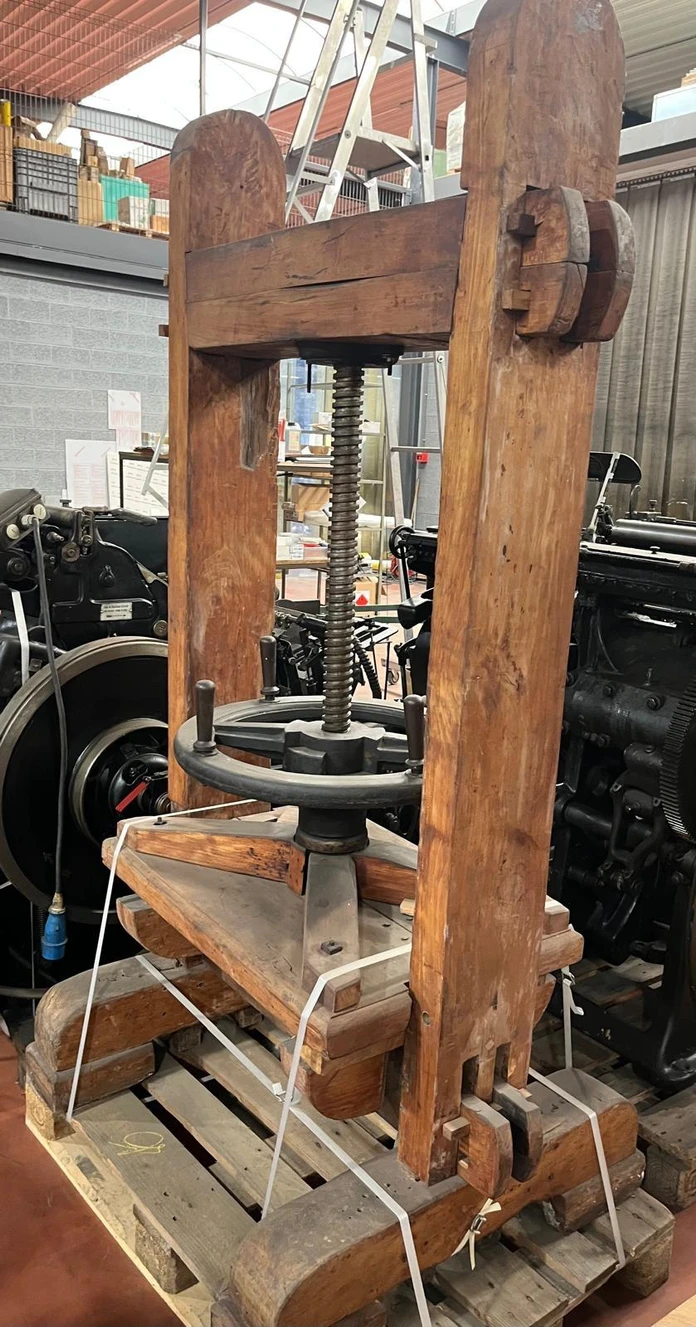
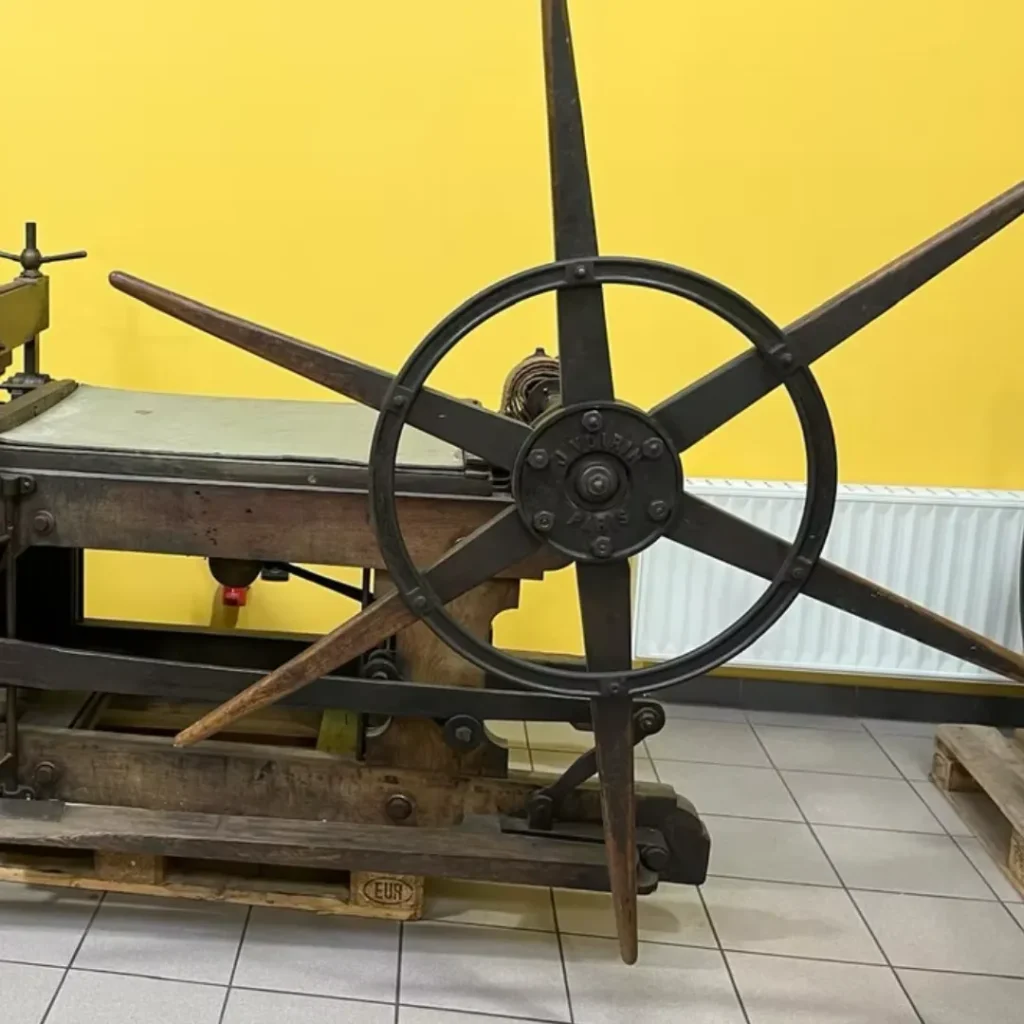
6-I-1 Cerca 1785 , Belgium Wooden Percusion Pressa
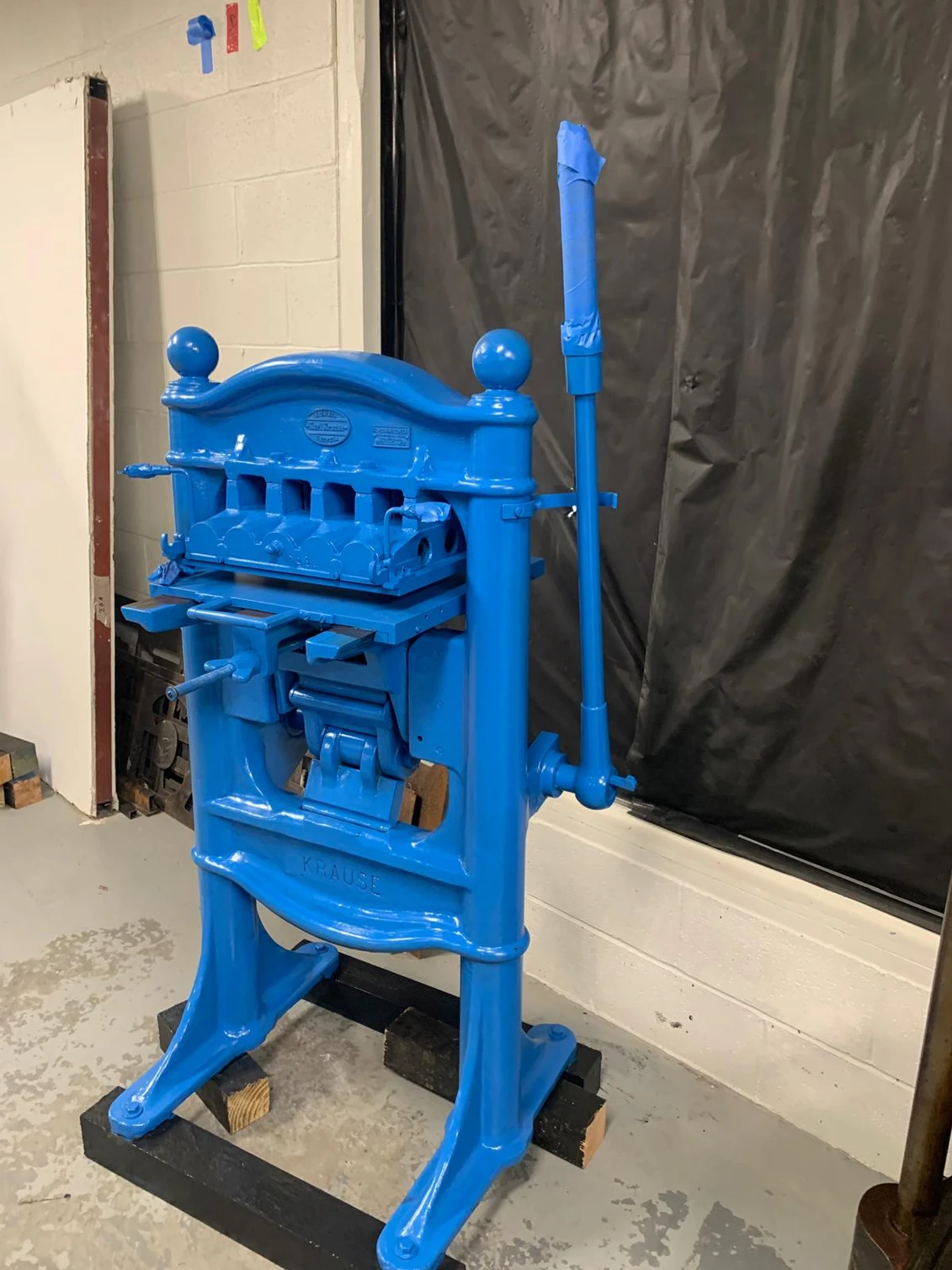
6-I-2 1952, Gotlib Foerster, heat presa, Duseldorf, Germany . Donated by Howard Iron Works Canadá
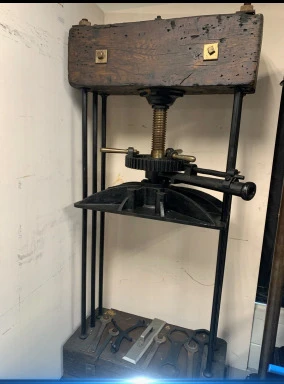
6-I-3 Cerca 1790, French wooden : metal frame
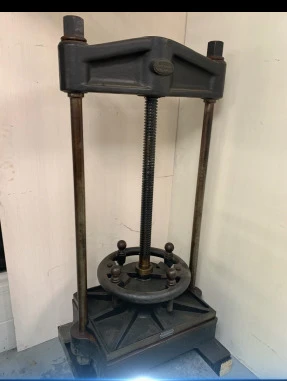
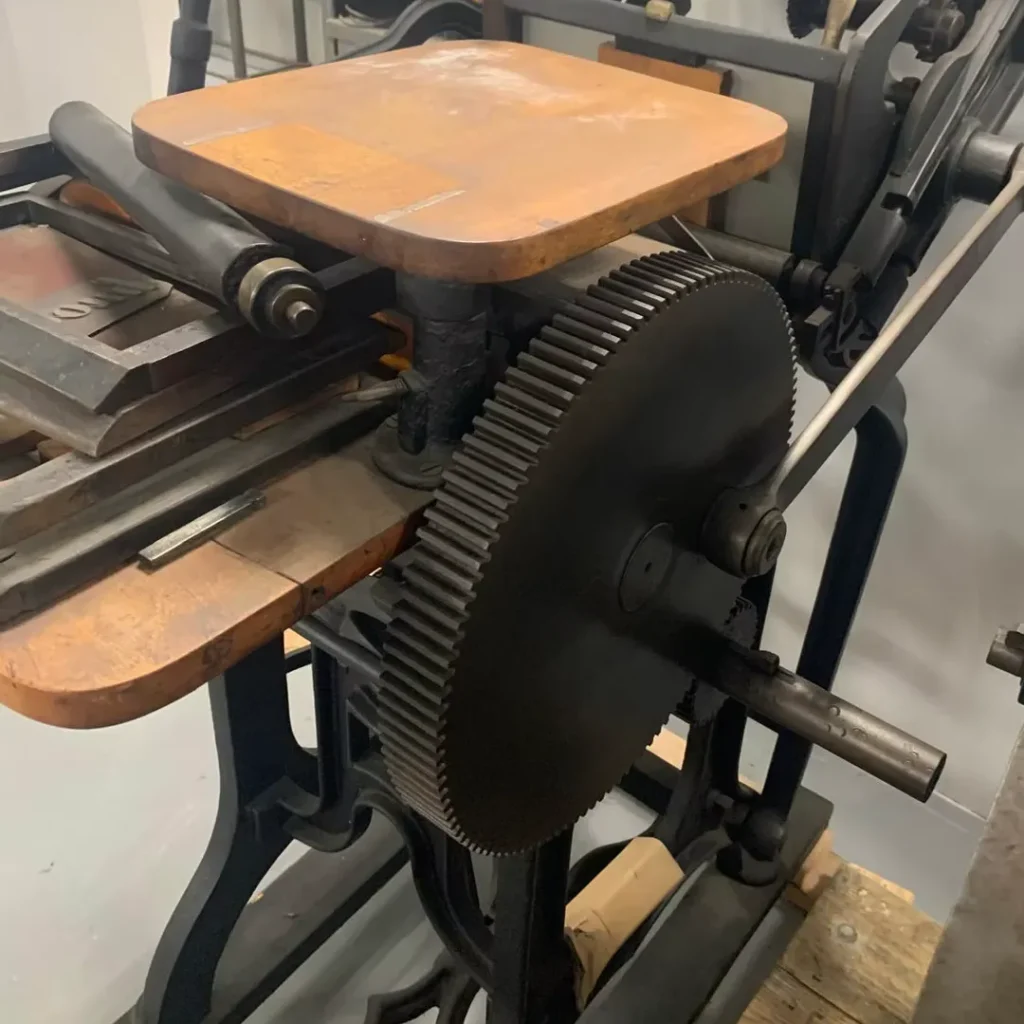
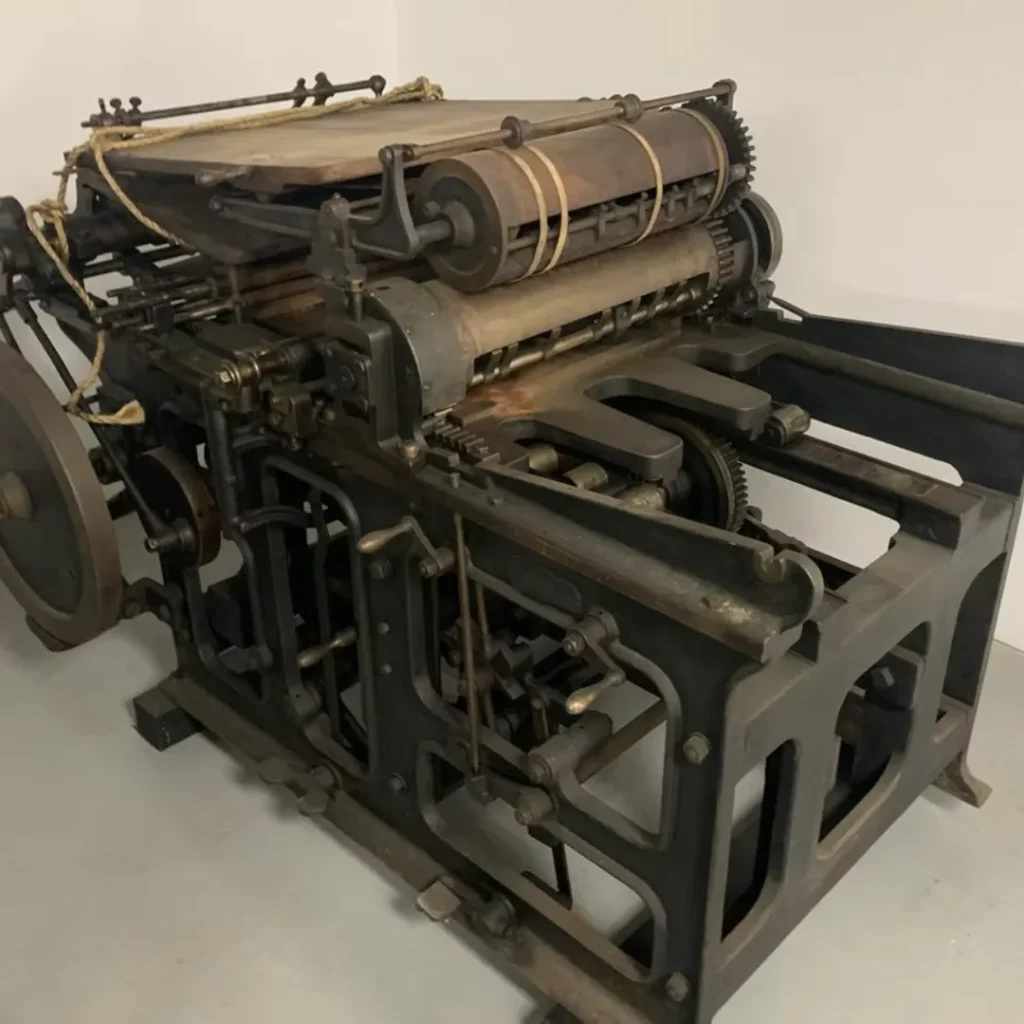
6-I-4 Karl Kreuse , RAAB & Grossech, Leipzig , Germany
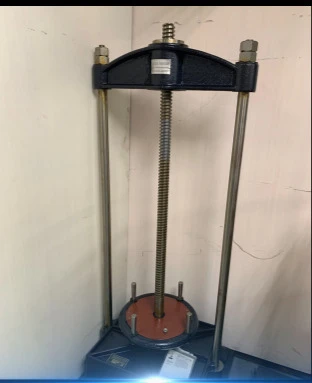
6-I-5 1952, Gotlib Foerster, heat presa, Duseldorf, Germany . Donated by Howard Iron Works Canad
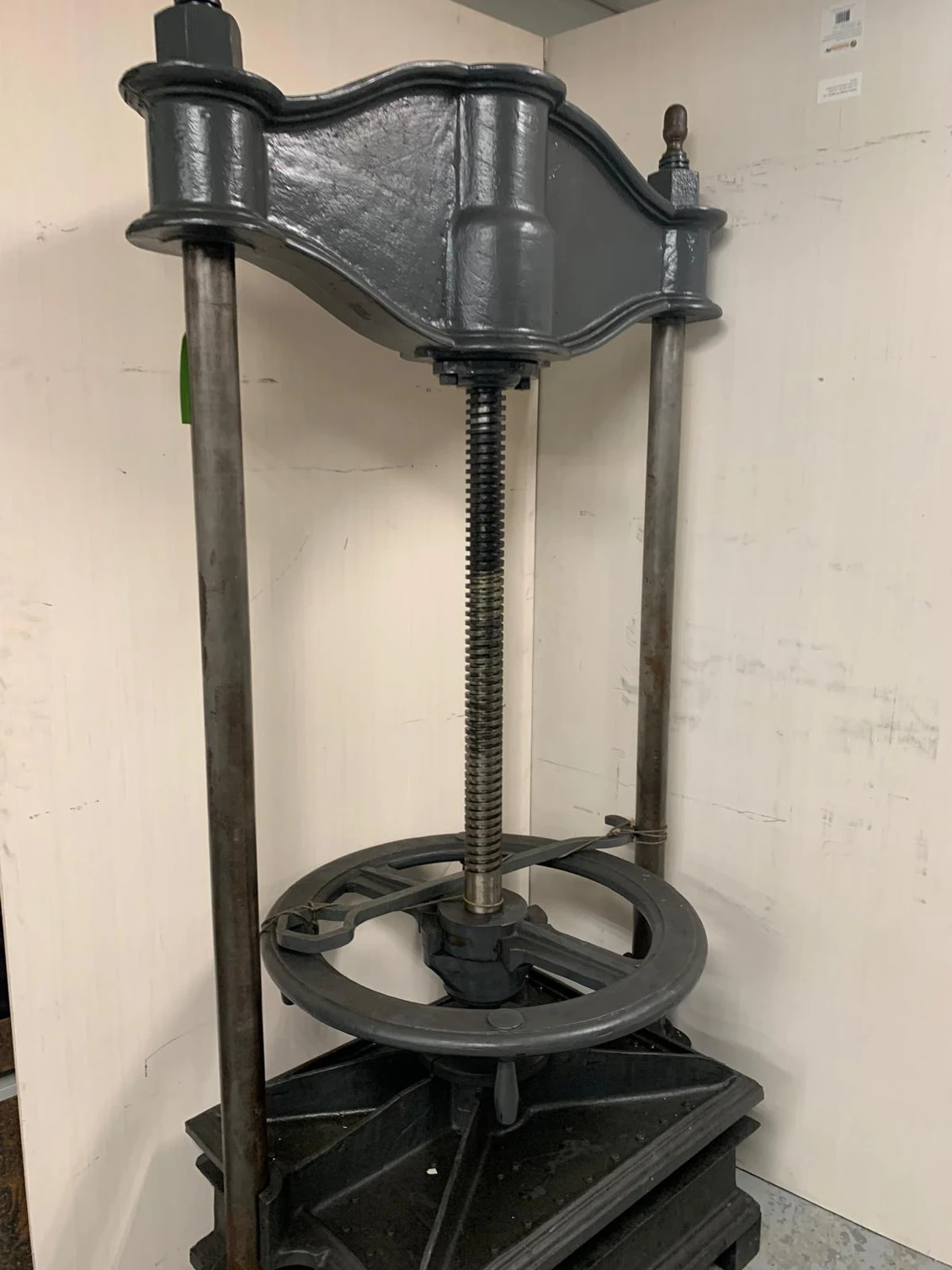
6-I-6 1800’s, European un known
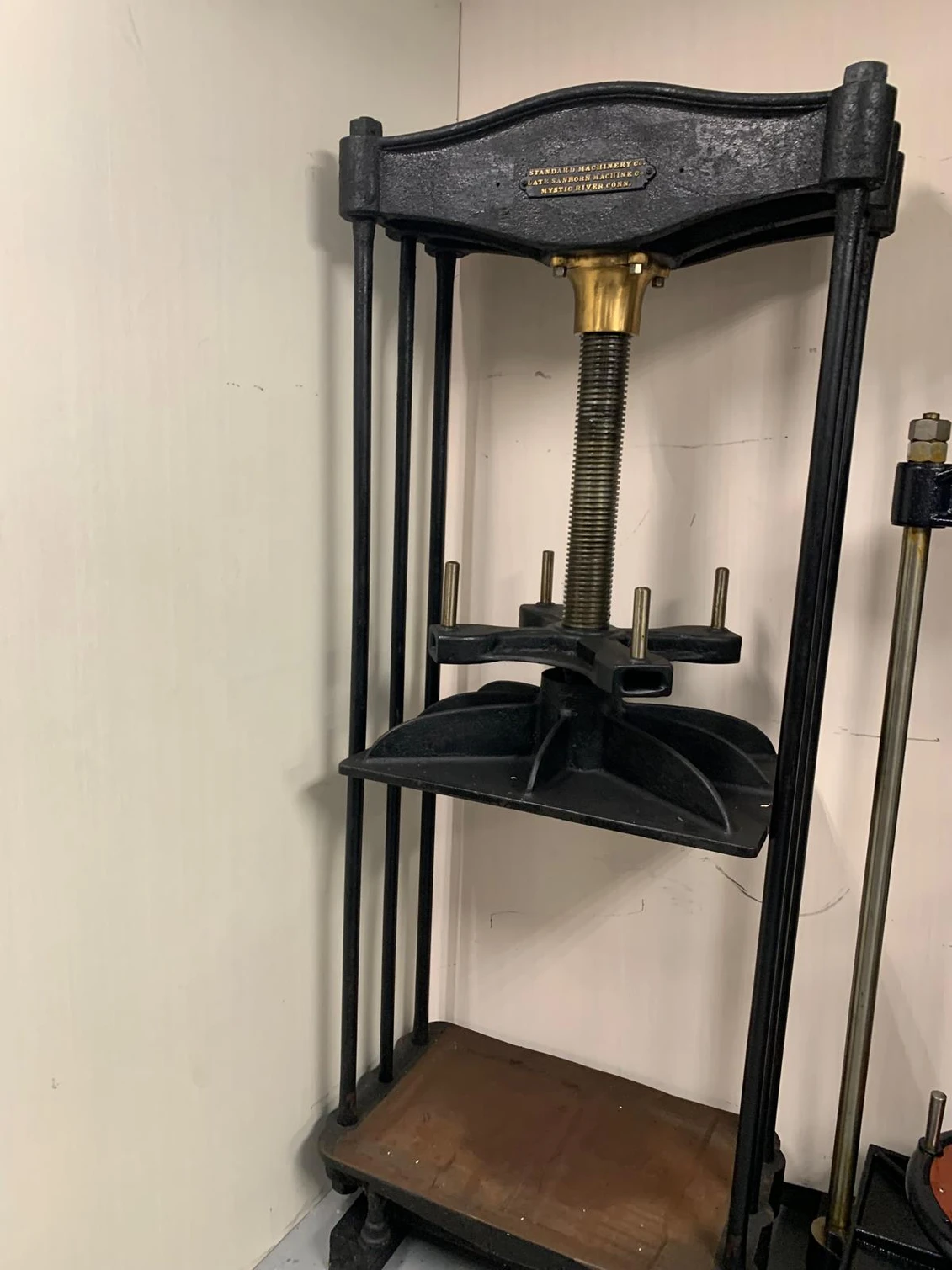
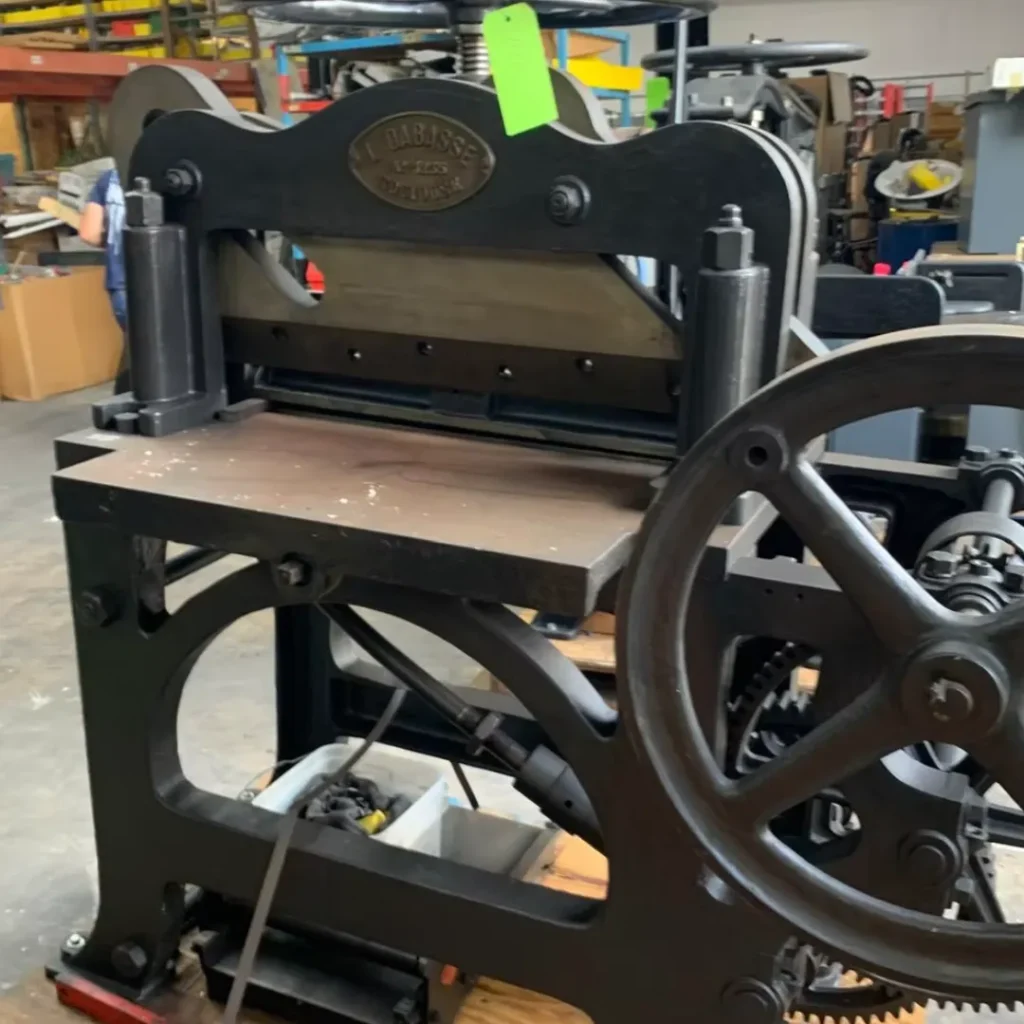
6-I-7 Cerca 1870, standard Machinery, mystic River
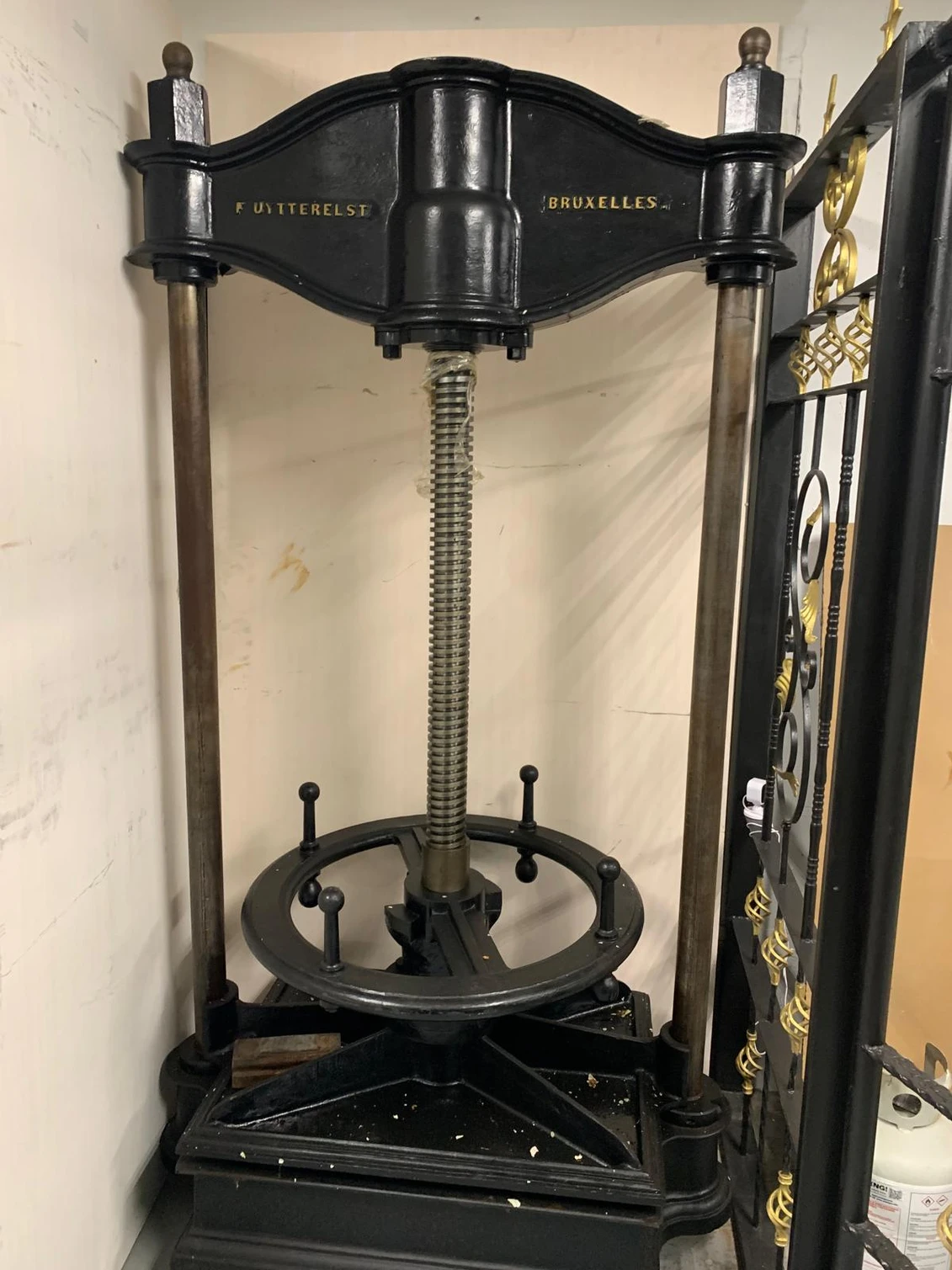
6-I-8 Cerca 1800, F Uytterelst , Brussels Belgium