

Movable Type
Movable Type: The Revolution of Printing
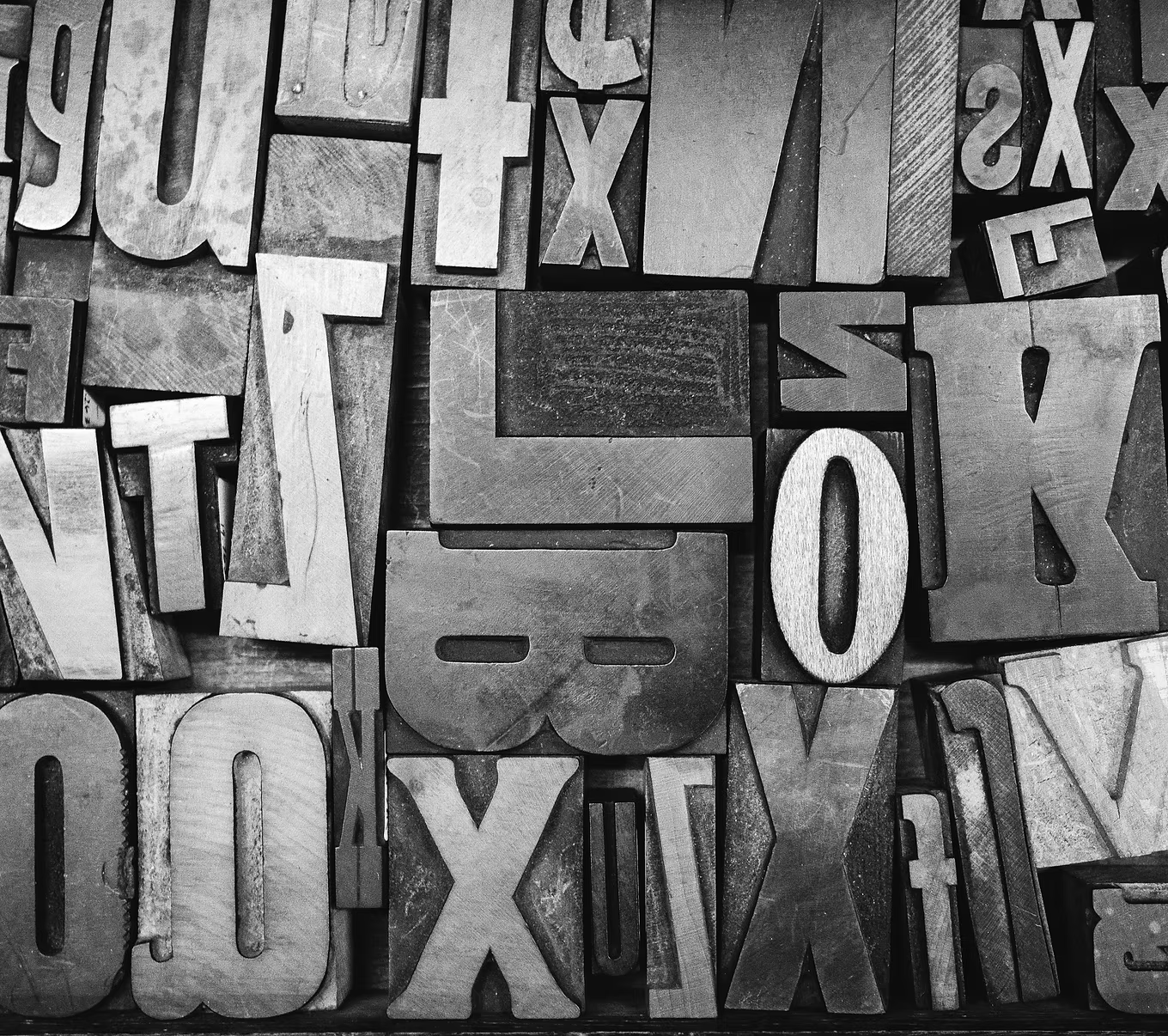
The invention of movable type marked one of the most transformative moments in the history of communication. By allowing individual characters to be rearranged and reused, this innovation made the reproduction of texts faster, more efficient, and more accessible than ever before.
The earliest known development of movable type dates back to 11th-century China, during the Song Dynasty. It was pioneered by the inventor Bi Sheng, who created individual characters from baked clay. These characters could be arranged on an iron plate to form text, then inked and pressed onto paper.
Materials and Early Techniques
Bi Sheng’s method used ceramic movable type, a remarkable innovation for its time. However, due to the complexity of the Chinese writing system—containing thousands of characters—this technique was difficult to scale efficiently.
Later developments in East Asia improved upon these methods. In Korea, artisans during the Goryeo period created metal movable type in the 13th century, using bronze to produce more durable and precise characters. One of the earliest surviving examples of a book printed with metal movable type is the Jikji, printed in 1377.
The European Breakthrough
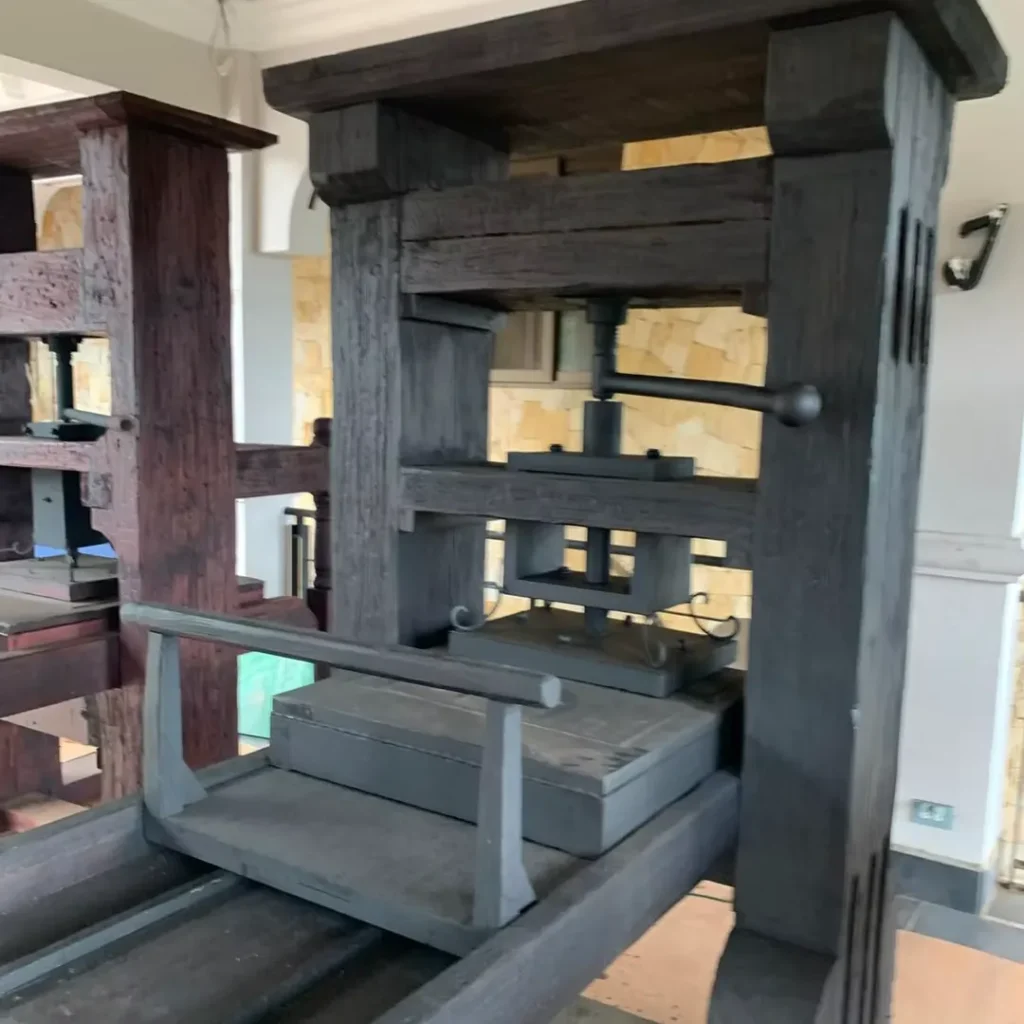
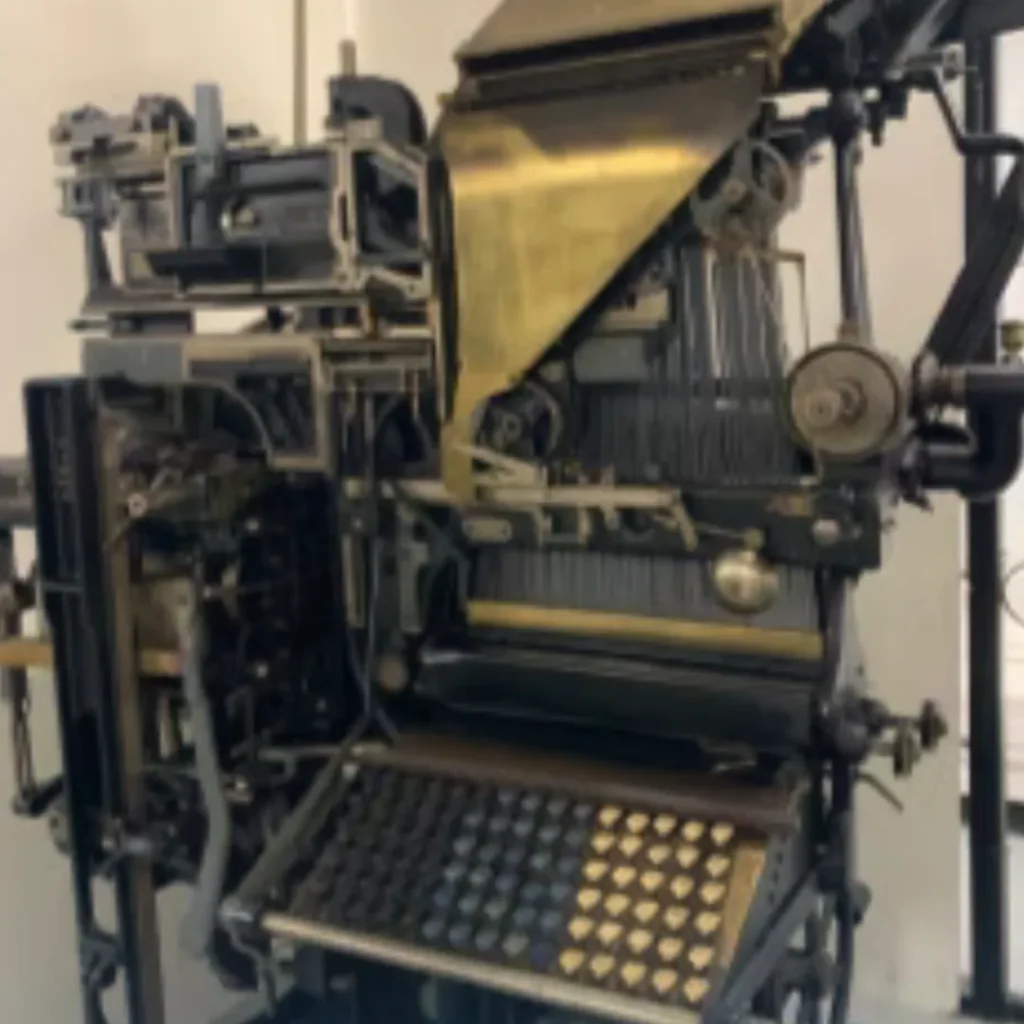
Movable type reached a turning point in 15th-century Europe with the work of Johannes Gutenberg in Mainz. Around 1440, Gutenberg developed a complete printing system that combined:
- Metal movable type cast from molds
- Oil-based inks suitable for metal surfaces
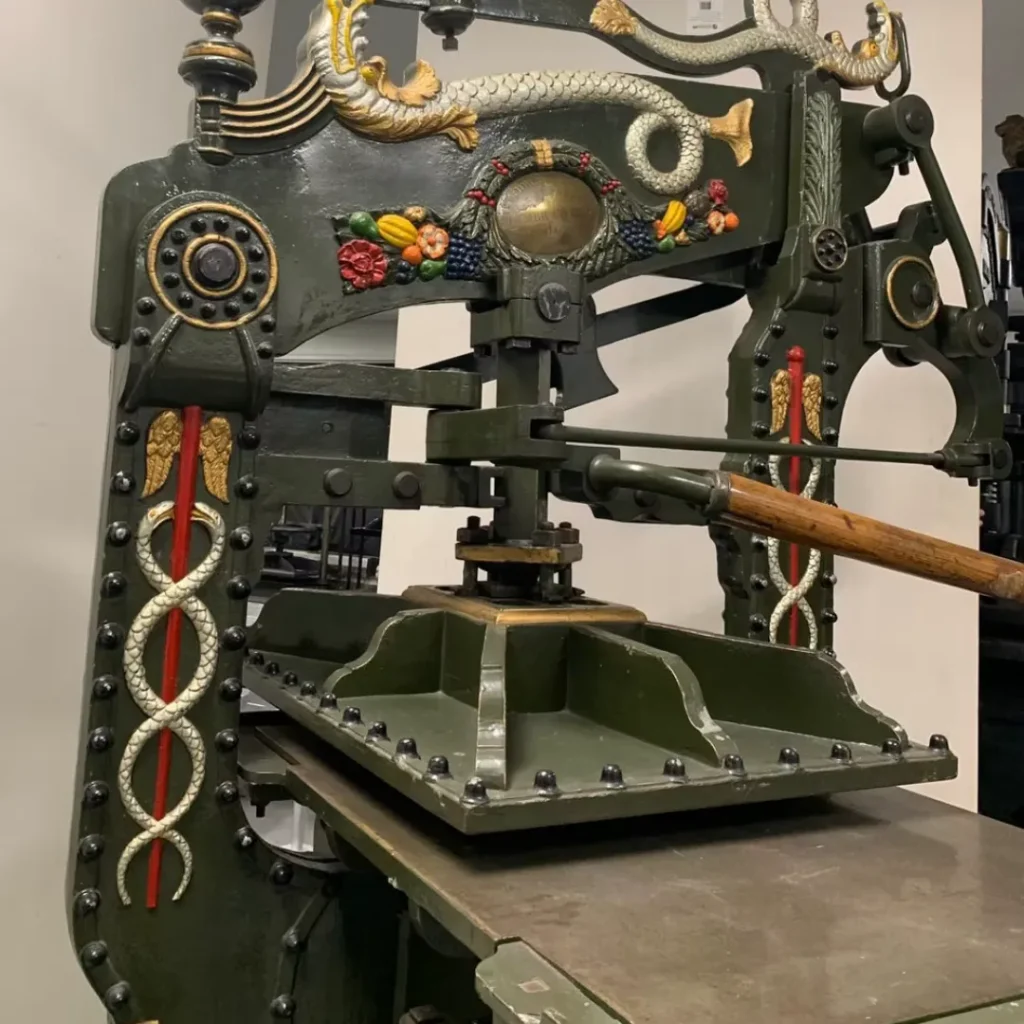
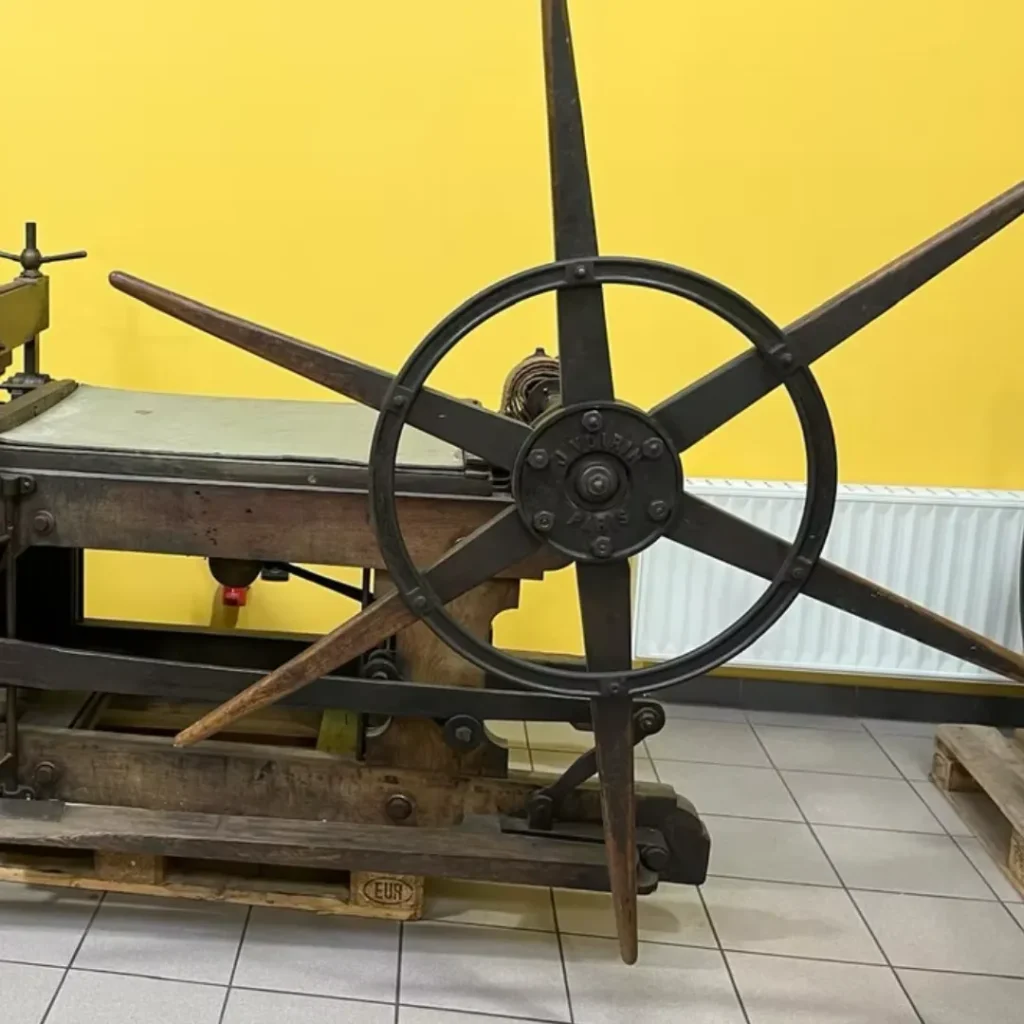
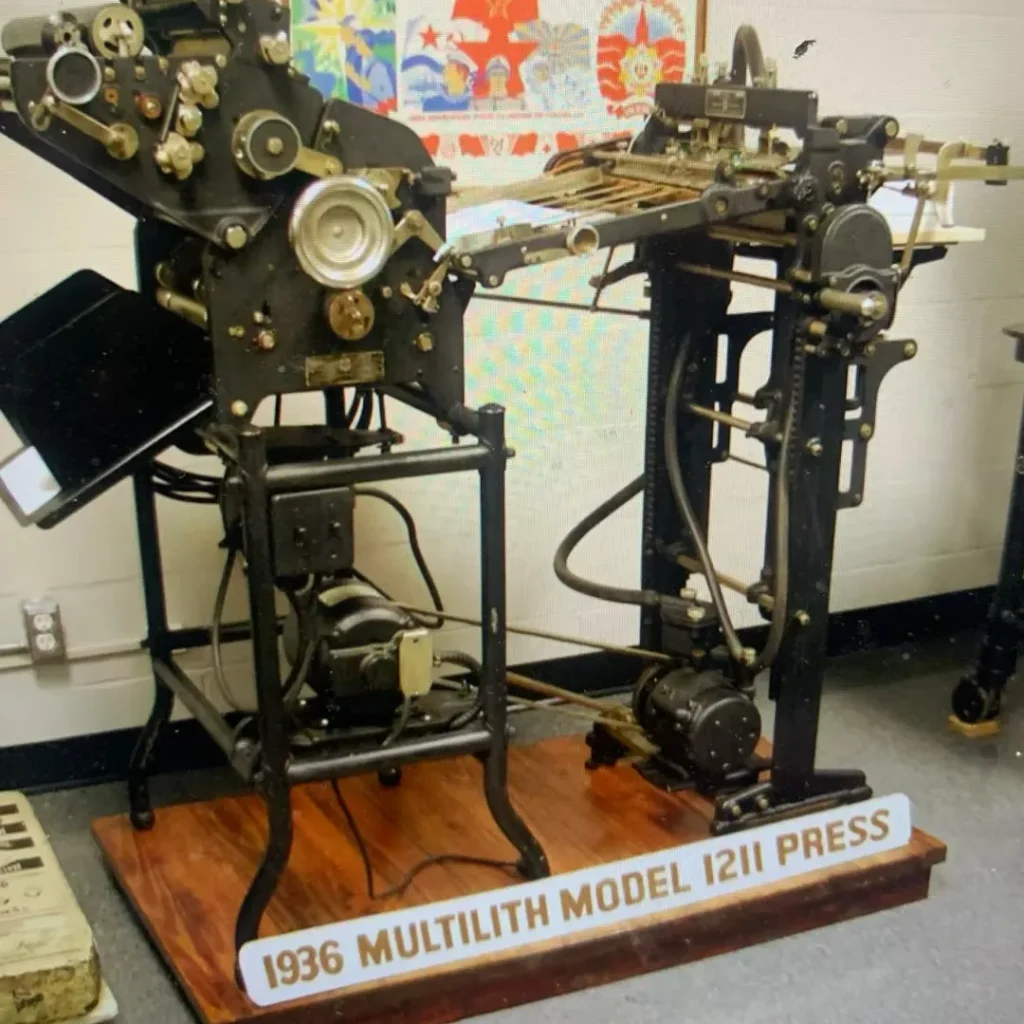
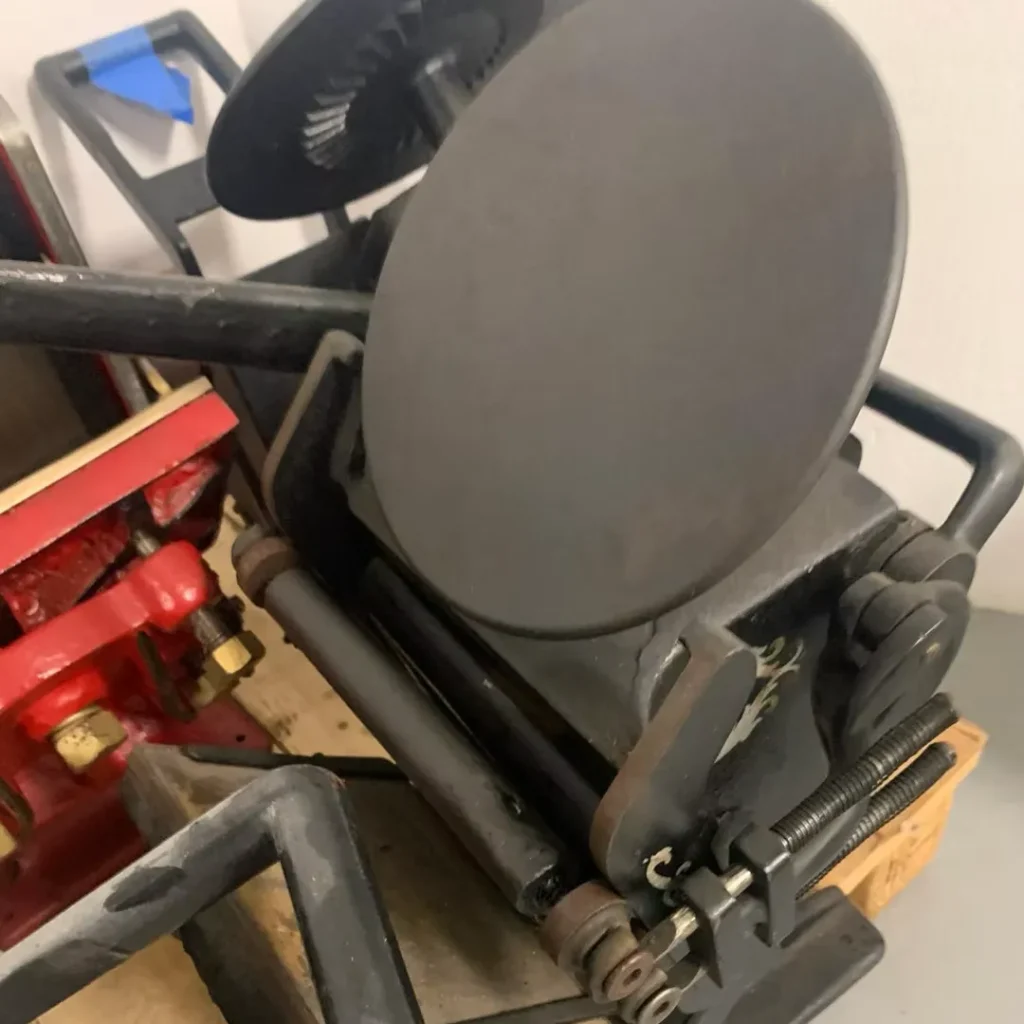
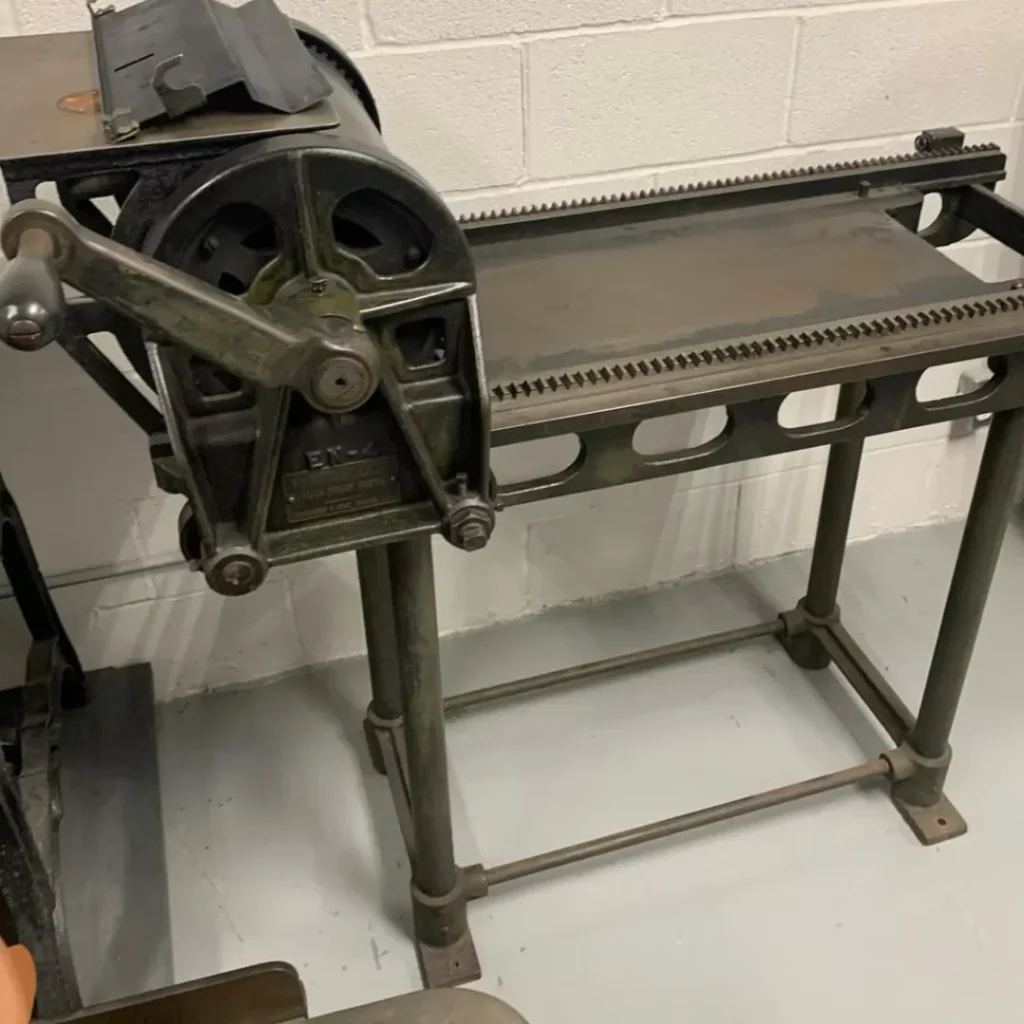
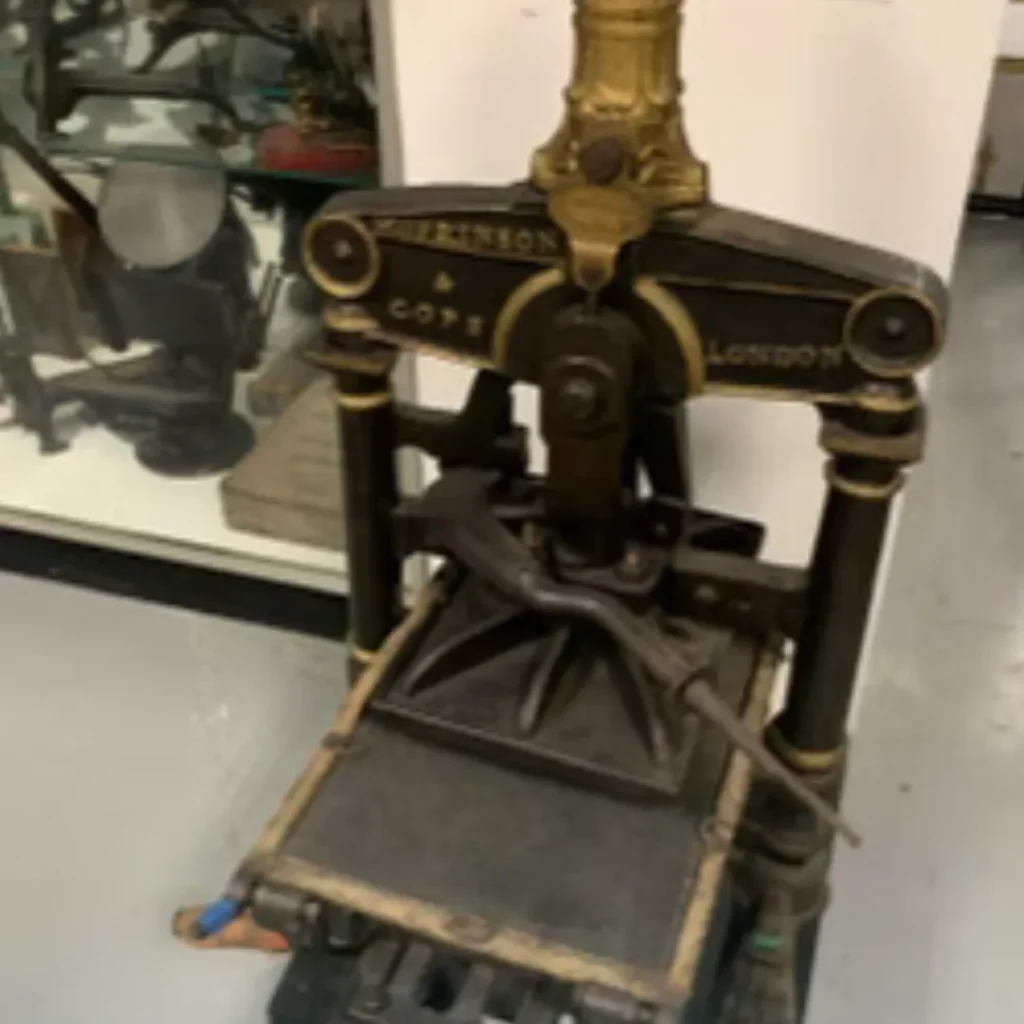
- A mechanical printing press adapted from wine presses
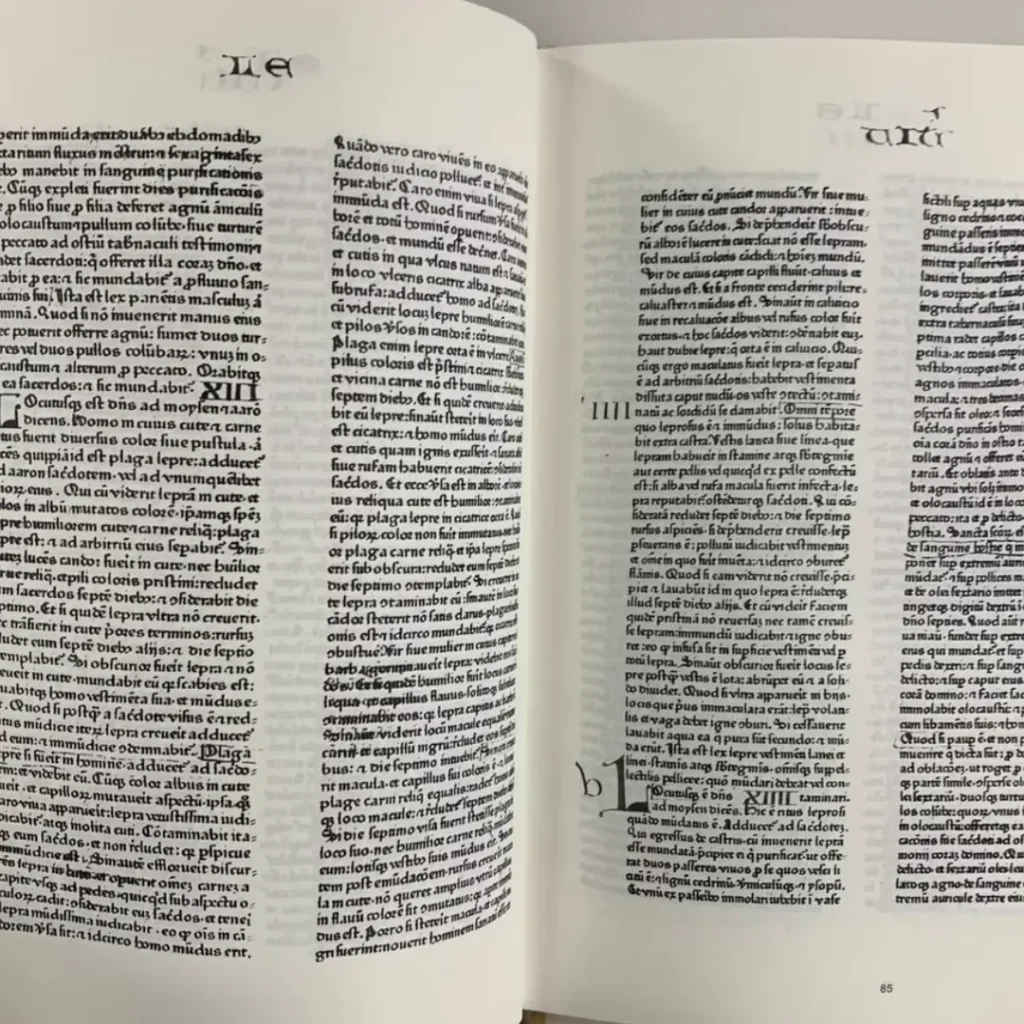
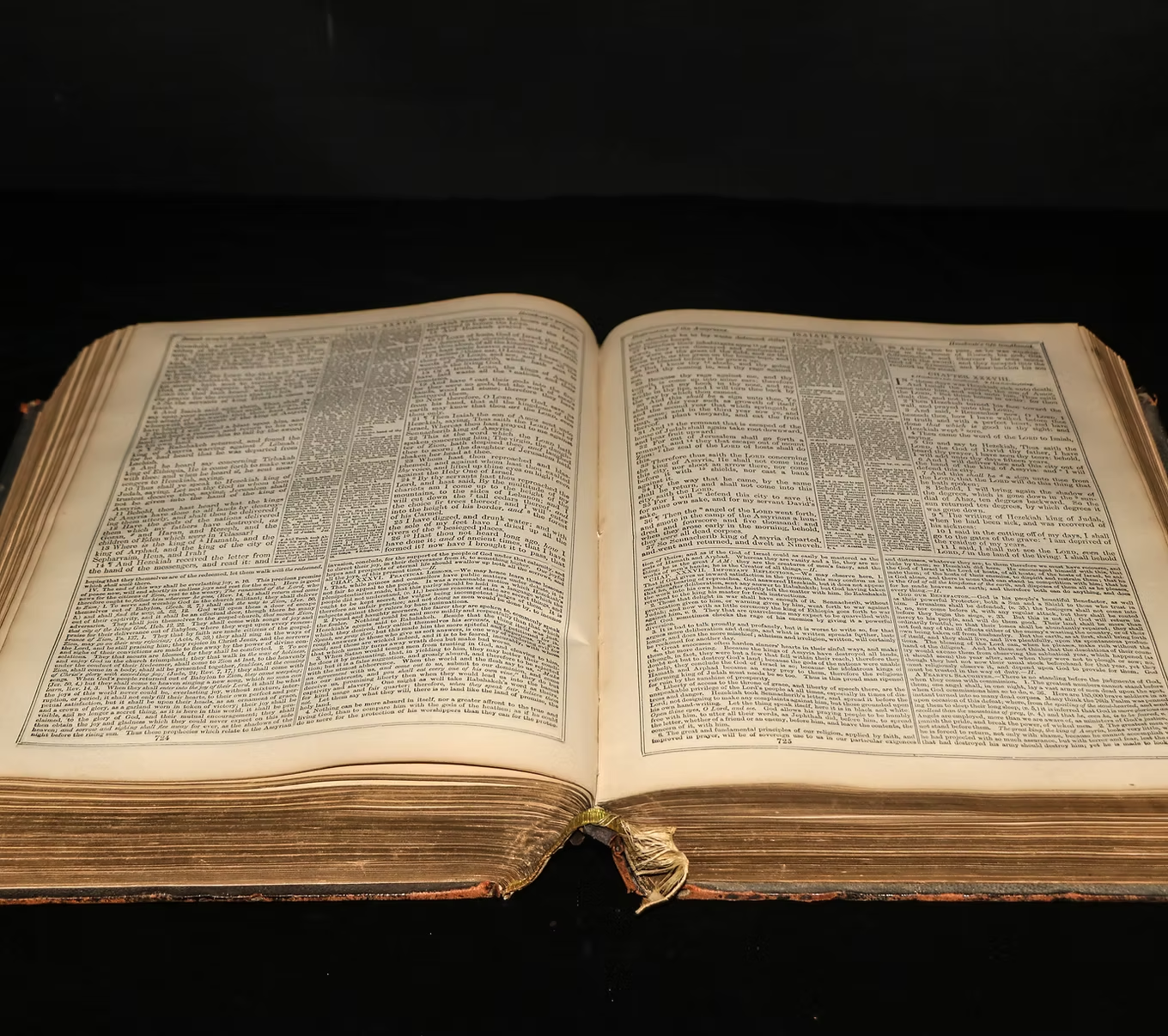
This system dramatically increased the speed and consistency of book production. One of his most famous works, the Gutenberg Bible, demonstrated the power and precision of this new technology.
Cultural Transformation and Global Impact
The spread of movable type printing in Europe triggered a cultural revolution. Books became more affordable and widely available, leading to increased literacy and the rapid dissemination of ideas.
This innovation played a crucial role in major historical developments, including:
- The spread of scientific knowledge
- The rise of universities and education systems
- The cultural awakening of the Renaissance
Movable type transformed printing from a labor-intensive craft into a powerful engine of communication.
Hands-On Discovery with Movable Type
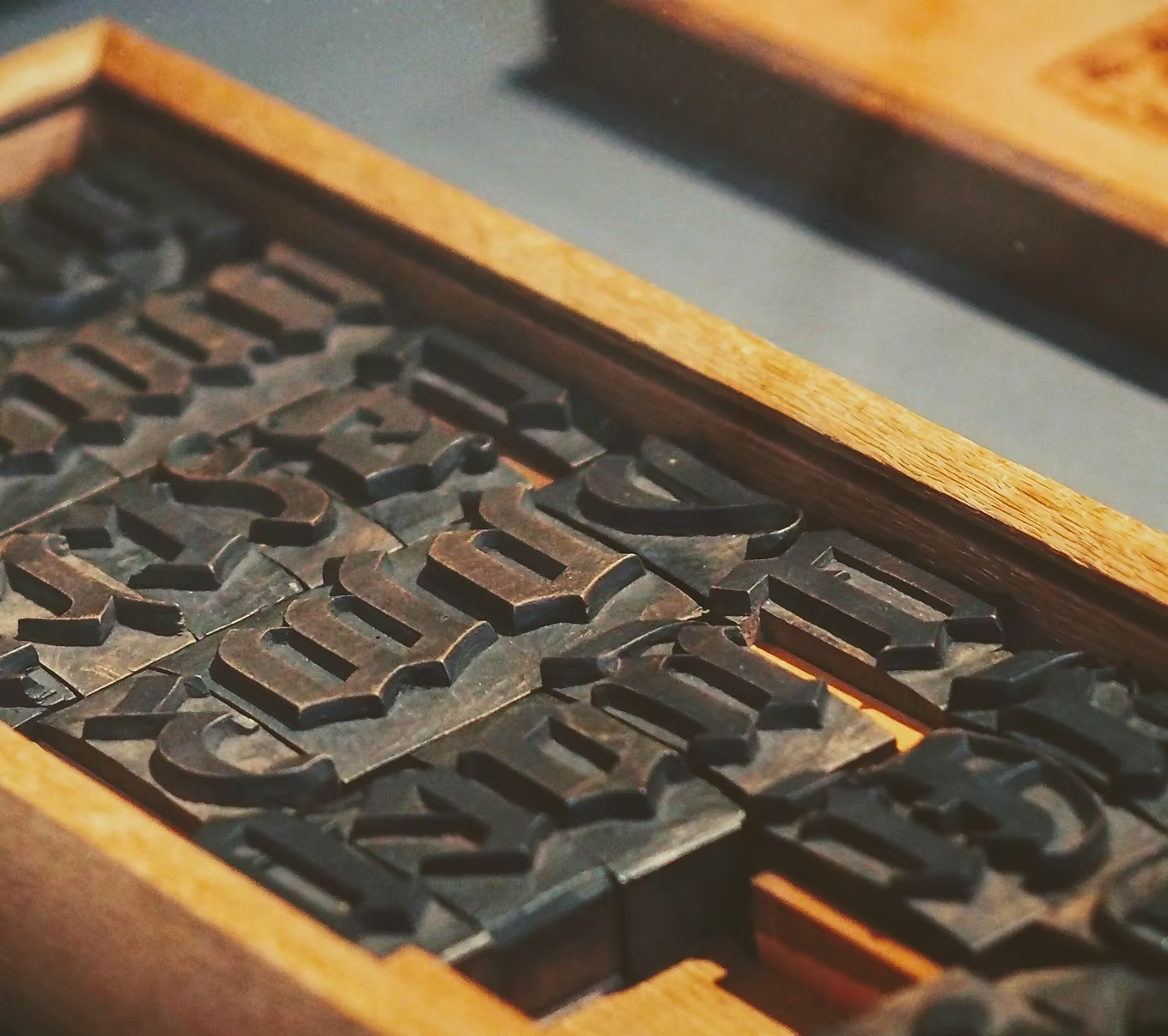
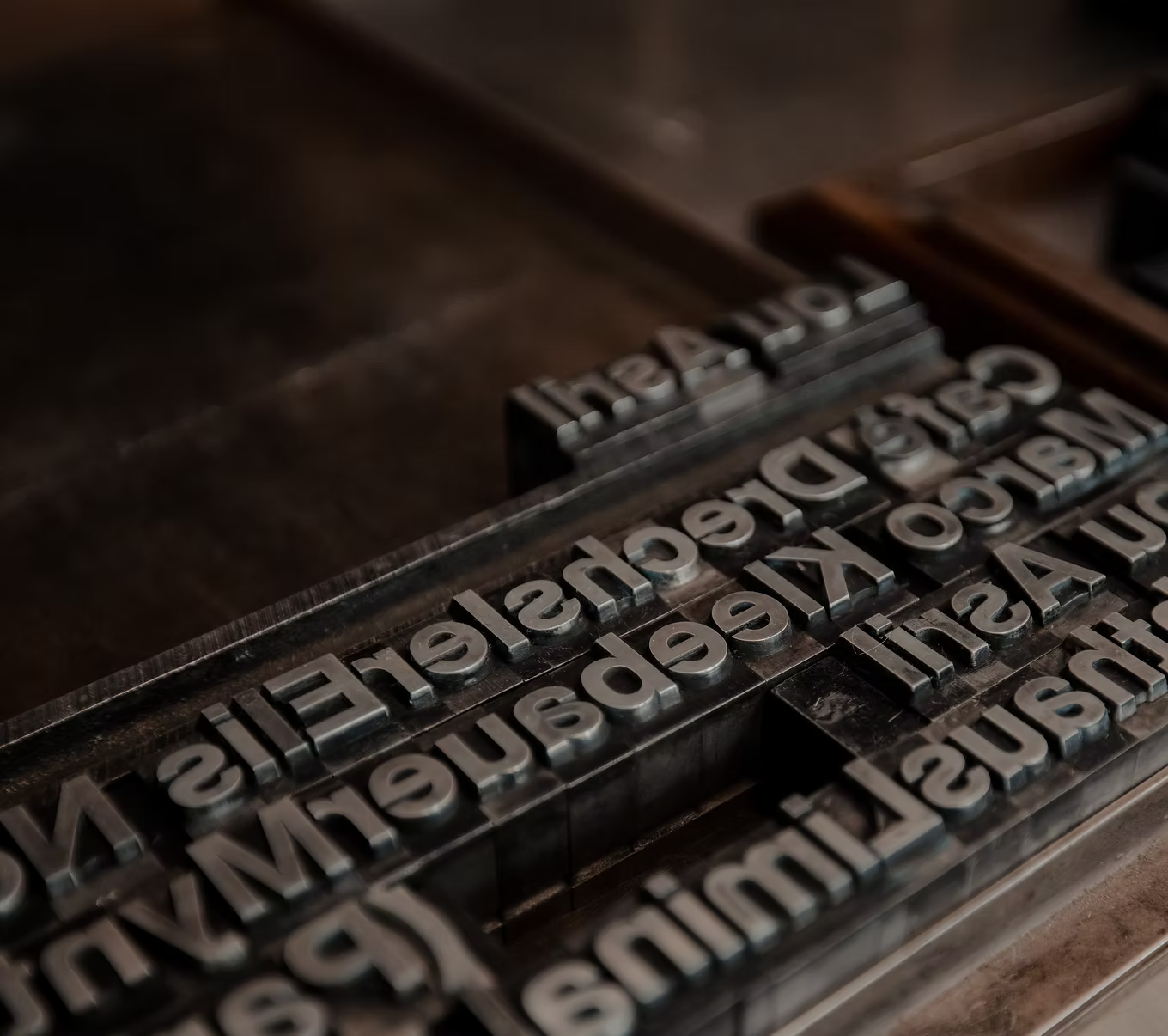
Movable type gives visitors a direct connection to one of the most important breakthroughs in communication history. By seeing individual letters, symbols, and spacing pieces arranged by hand, guests can better understand how printed pages were built before computers, digital printers, and modern publishing tools.
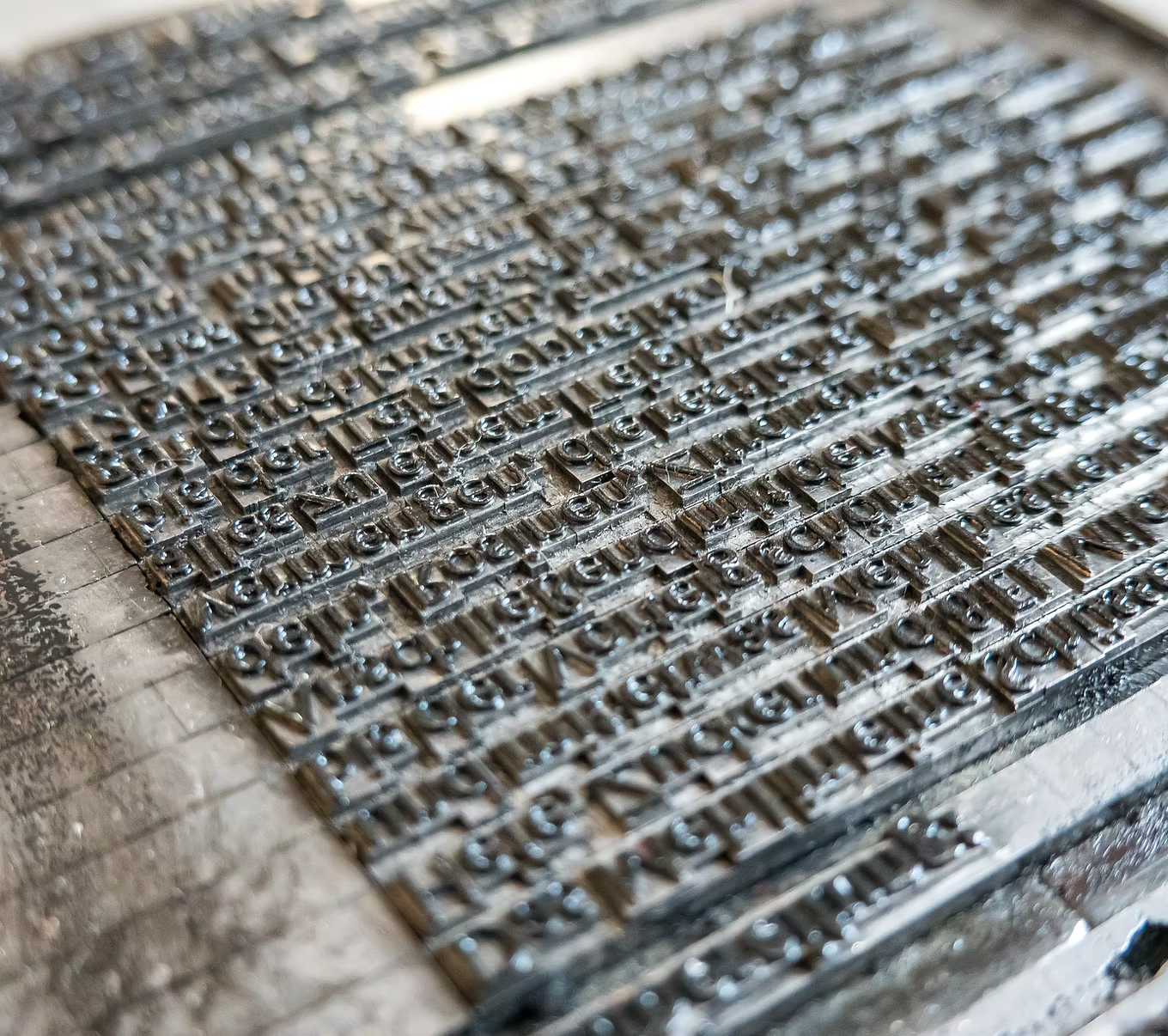
This hands-on experience helps show the patience and precision required in traditional printing. Each character had to be selected, placed in reverse, aligned correctly, locked into position, inked, and pressed onto paper. Even a small mistake in spacing or letter placement could change the appearance or meaning of the final printed piece.
By exploring movable type up close, visitors can appreciate both the invention and the craftsmanship behind the printed word. The activity connects early Chinese innovation, Gutenberg’s printing system, and the long history of books, newspapers, posters, and printed communication that helped shape the modern world.
Final Reflection for Visitors
From fragile clay characters in ancient China to powerful printing presses in Europe, movable type reshaped the way humanity shares knowledge. It stands as a symbol of innovation—bridging cultures, accelerating learning, and bringing ideas within reach of the world.