











Cave People
Early Humans and the Birth of Written Expression
Approximately 300,000 years ago, the first modern humans, known as Homo sapiens, began to inhabit different regions of the planet. For much of their early existence, they lived as hunter-gatherers, adapting to changing environments and using natural shelters such as caves to protect themselves from harsh climates and predators.
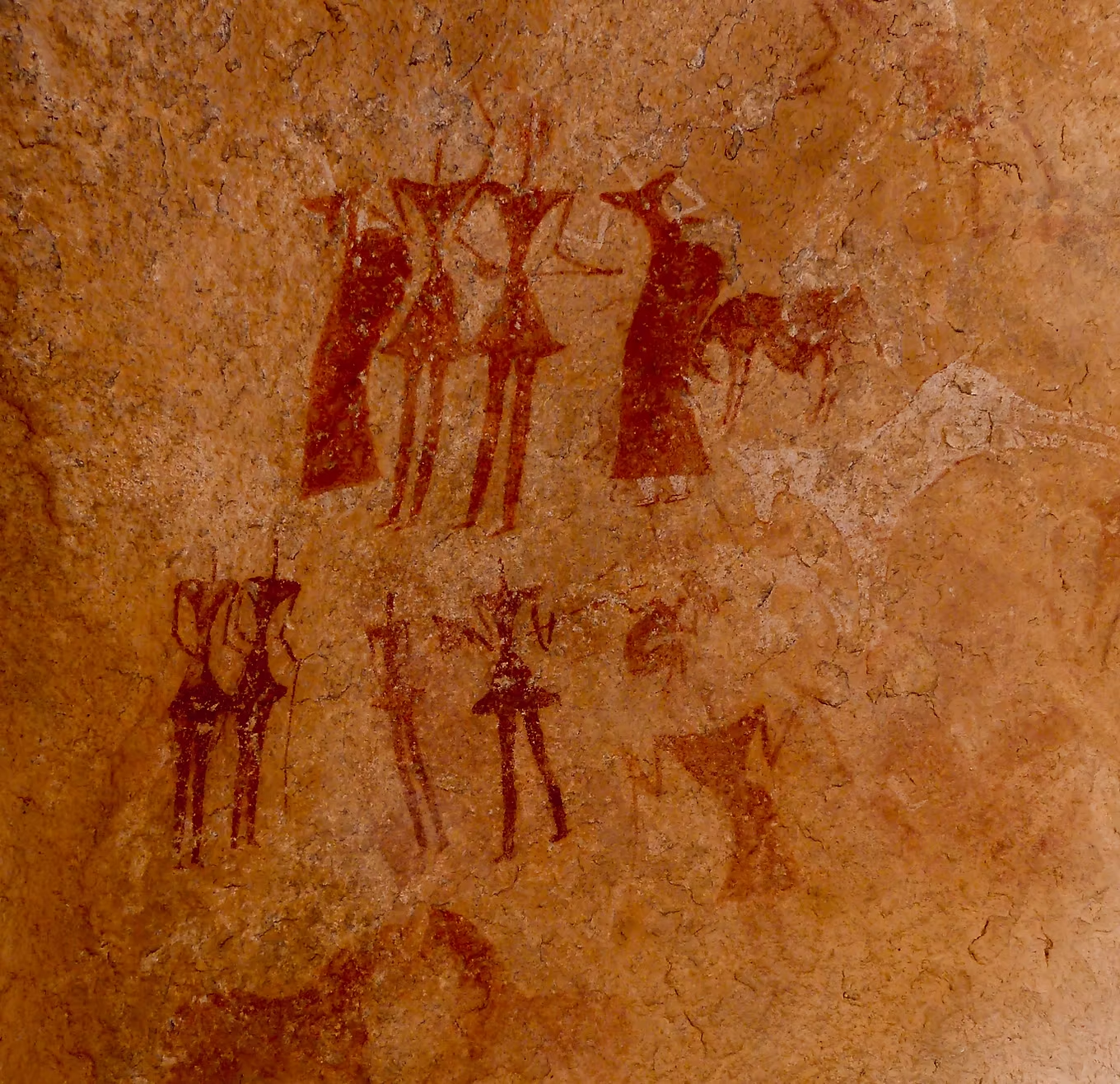
Long before formal writing systems existed, humans began expressing their understanding of the world on cave walls. This form of expression, known as cave art, emerged over 40,000 years ago.
From Pictures to Symbols
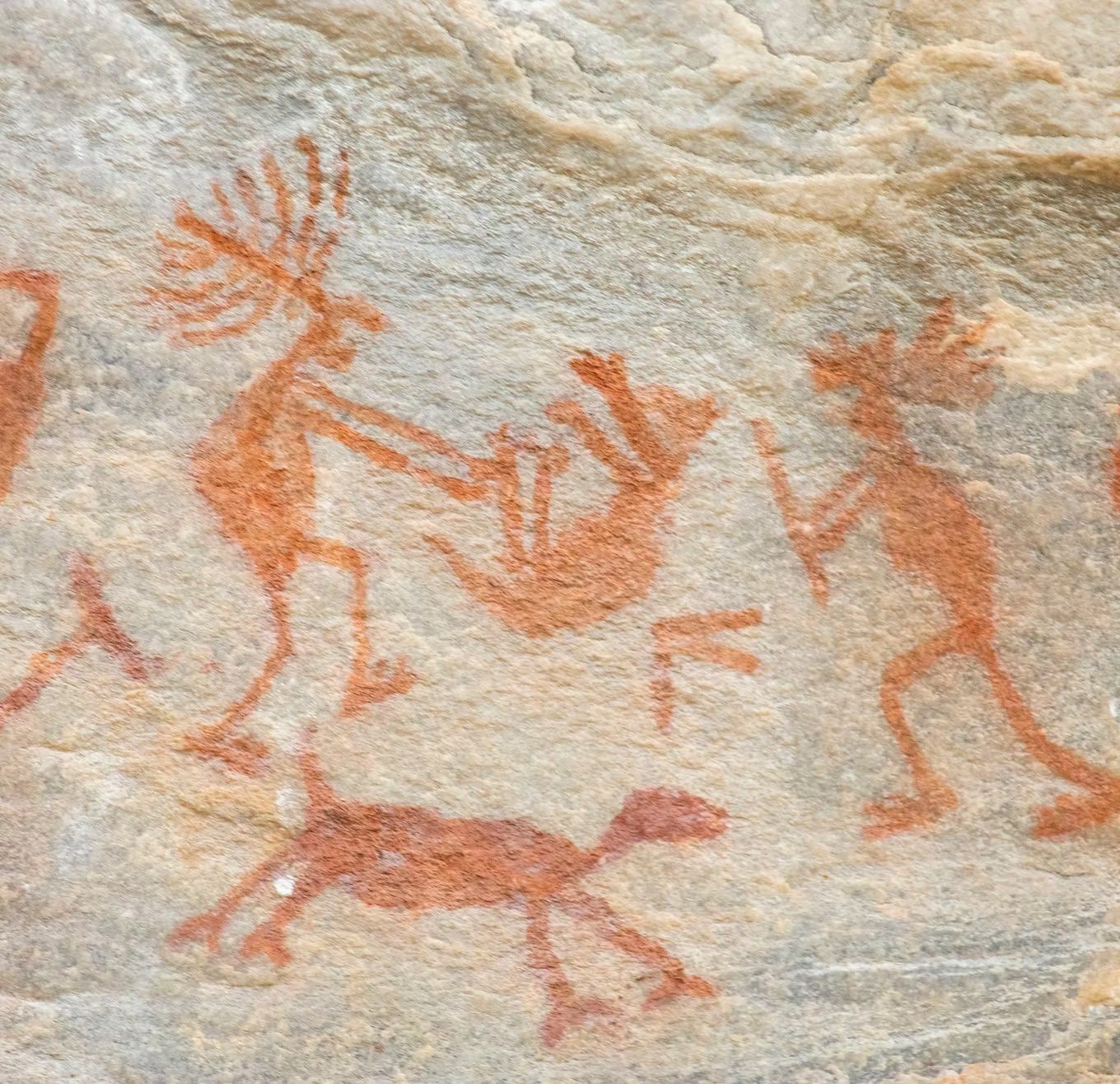
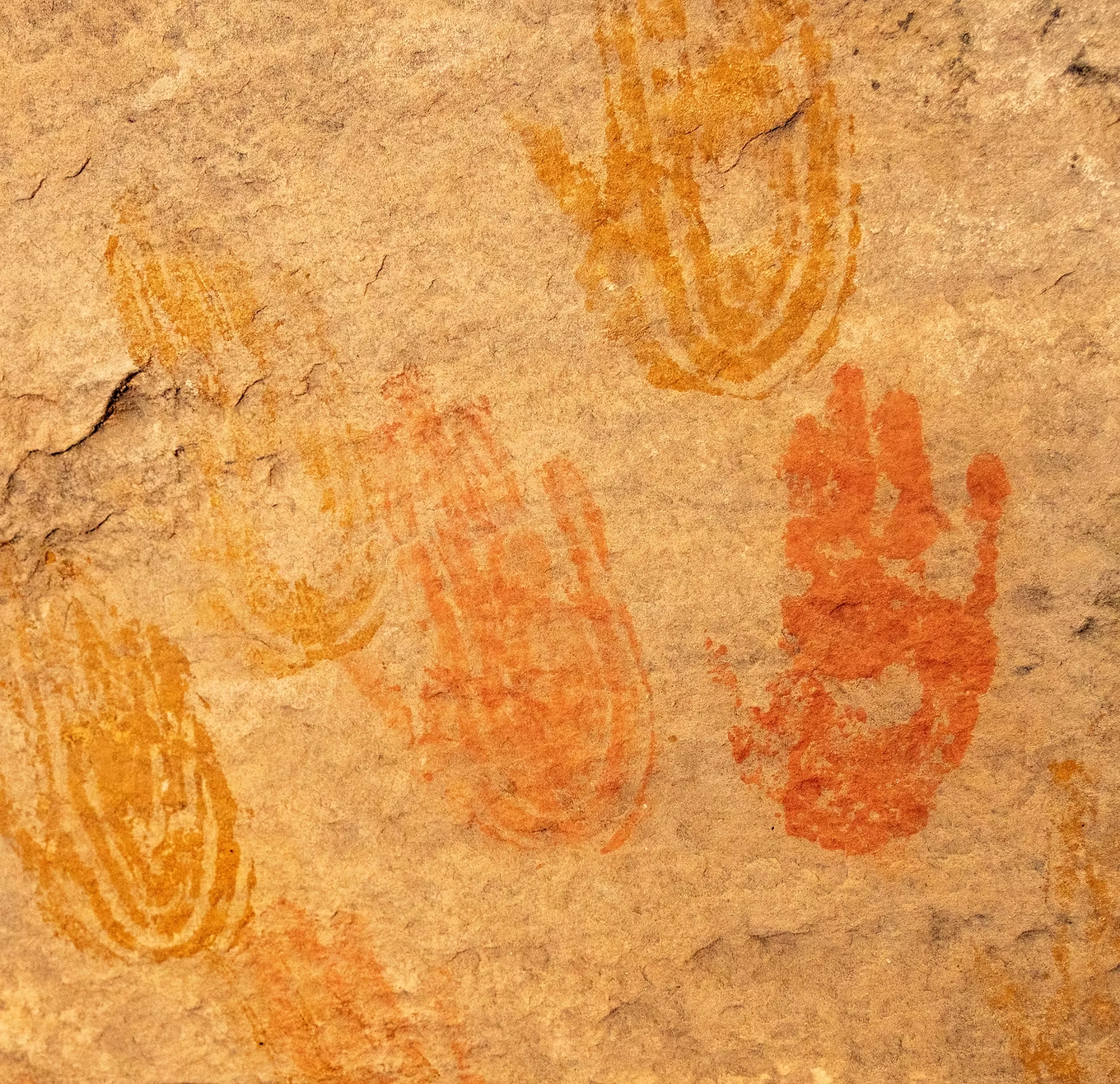
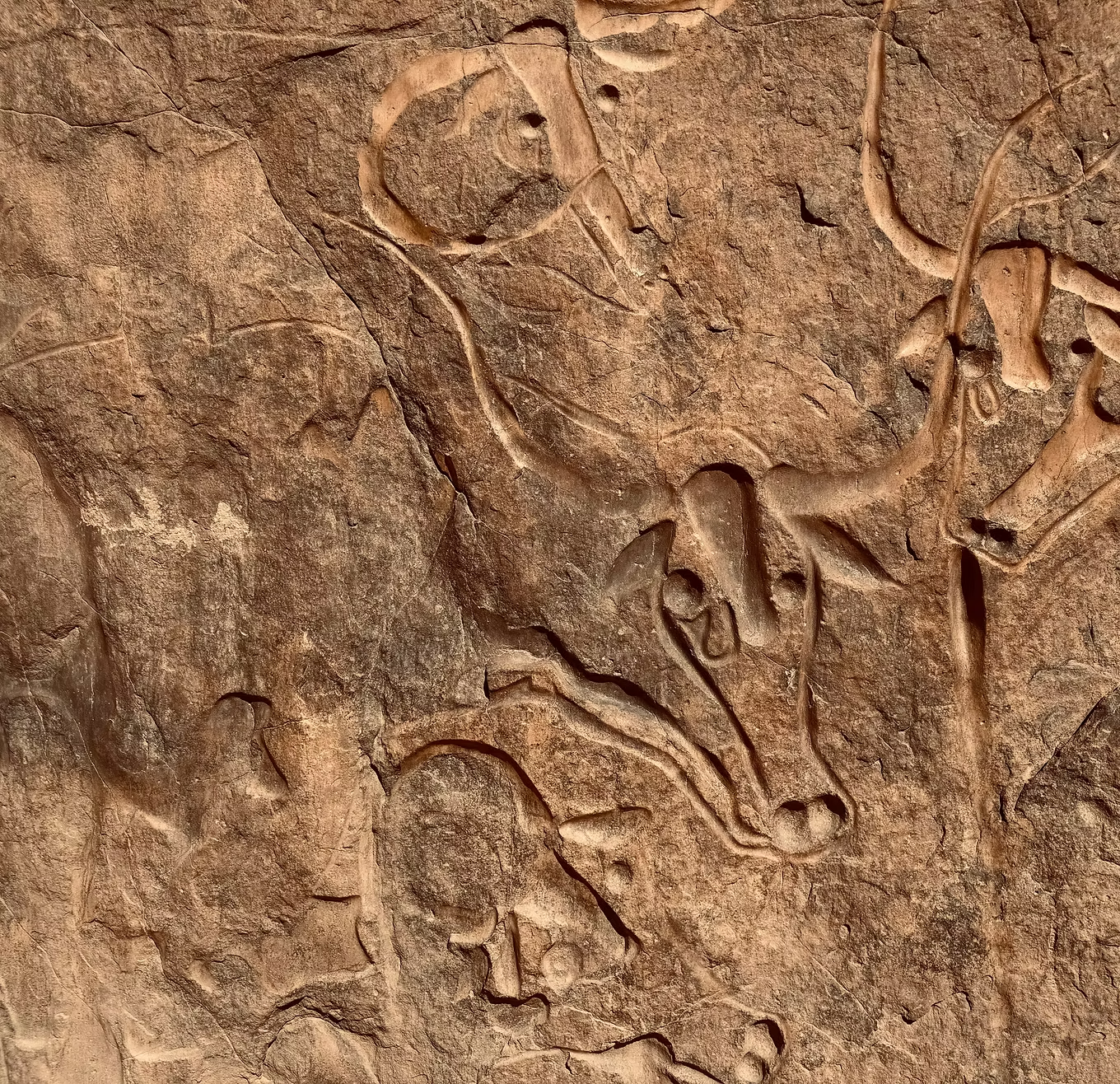
Over time, humans developed more complex systems of representation. What began as simple drawings of animals, people, handprints, and hunting scenes gradually became a more organized way to communicate meaning. These early images helped people record what they saw, what they experienced, and what mattered to their communities.
As human thought and society advanced, visual expression began to move beyond storytelling alone. Certain marks, shapes, and repeated images started to represent specific ideas, places, actions, or beliefs. This shift from picture-making to symbolic communication was an important step toward the development of written language.
This evolution shows the deep human desire to preserve memory and share knowledge. Long before books, printing presses, or formal alphabets, early people were already creating visual systems that connected one generation to the next. These symbols became part of the long journey from cave art to writing, and eventually to the printed word.
The transition from cave paintings to formal writing represents one of the most important milestones in human history. This transformation enabled:
The transmission of knowledge across generations
The development of complex civilizations
The creation of legal, religious, and economic systems
Today, these early expressions are studied by disciplines such as Archaeology and Anthropology, helping us better understand our origins and the evolution of human thought.
The First Writing Systems
Around 5,000 years ago, the first writing systems began to emerge within organized civilizations. One of the earliest known examples was cuneiform writing, developed by the Sumerians in Mesopotamia. This marked a major turning point in human communication because people could now record information in a more permanent and organized way.
Cuneiform used wedge-shaped marks pressed into clay tablets with a stylus. These marks were used to record trade transactions, laws, inventories, agreements, stories, and historical events. Writing became an essential tool for managing growing cities, organizing resources, preserving records, and passing information from one generation to the next.
At this stage, communication moved beyond artistic expression and became a foundation for society. Writing helped people build governments, track commerce, preserve beliefs, document history, and create shared systems of knowledge. This development became one of the key steps on the long path from cave markings to manuscripts, books, printing presses, and the printed word.
The Path Toward Printing
As writing systems continued to evolve, people found new ways to preserve information and share it with others. Clay tablets, carved symbols, papyrus scrolls, parchment manuscripts, and handwritten books all became part of the long journey of communication. Each advancement helped people record ideas more clearly and pass knowledge across greater distances and longer periods of time.
Over many centuries, written communication became essential to education, religion, government, trade, science, and culture. Scribes, scholars, and record keepers played an important role in copying and protecting important information by hand. This careful work helped preserve stories, laws, discoveries, beliefs, and history for future generations.
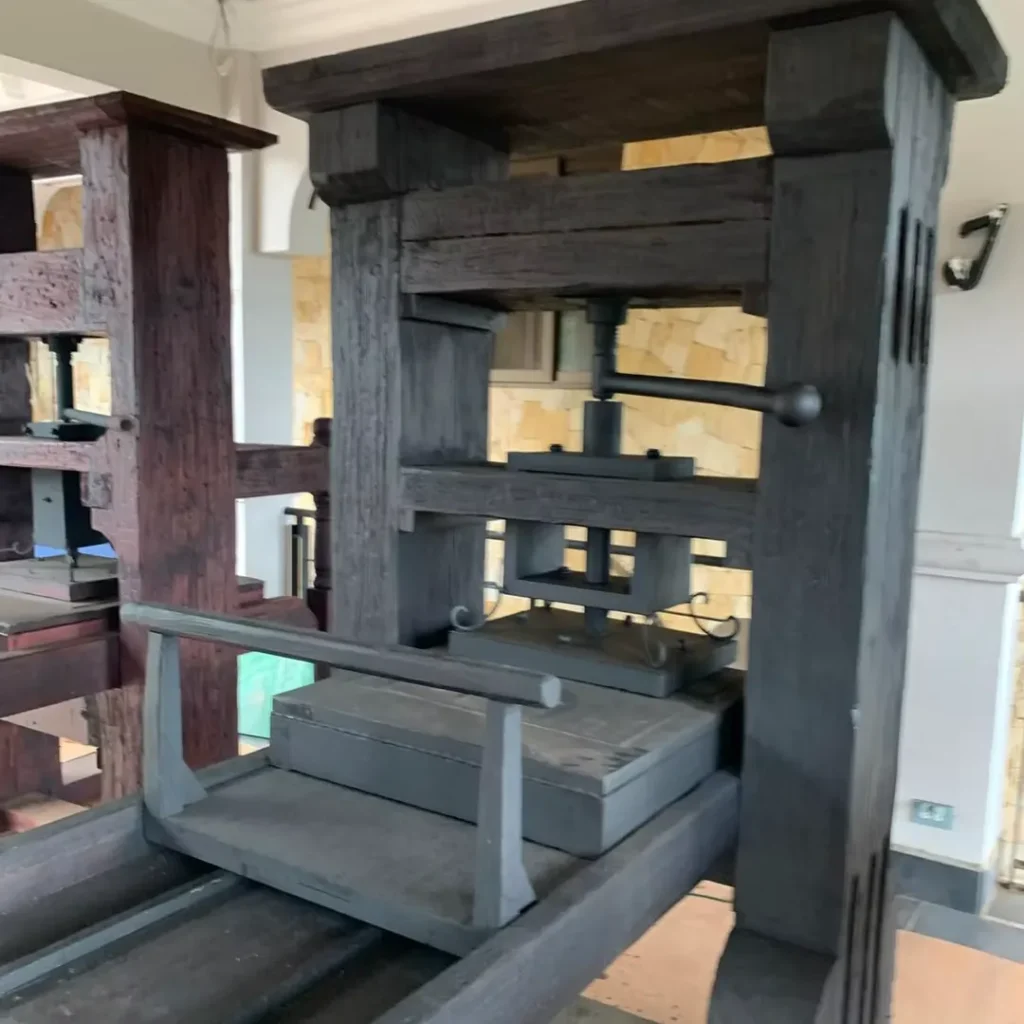
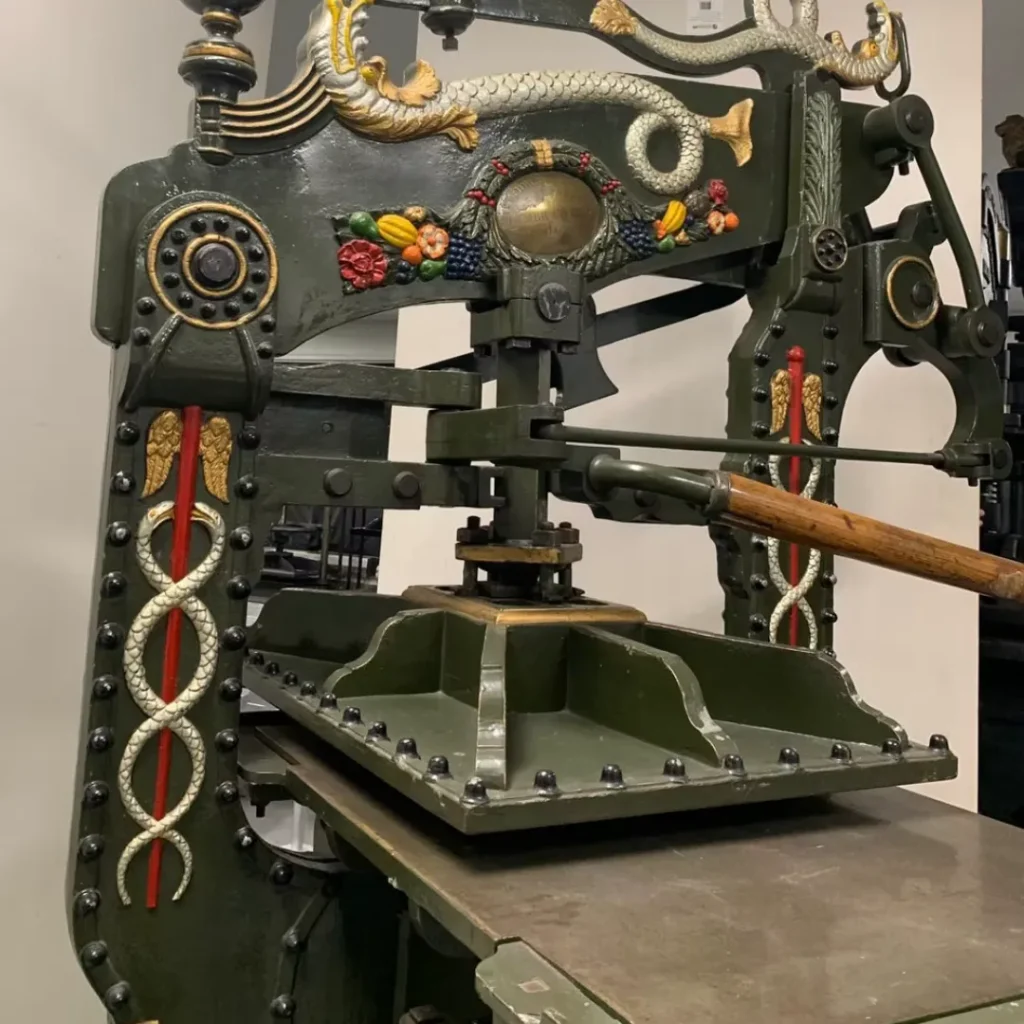
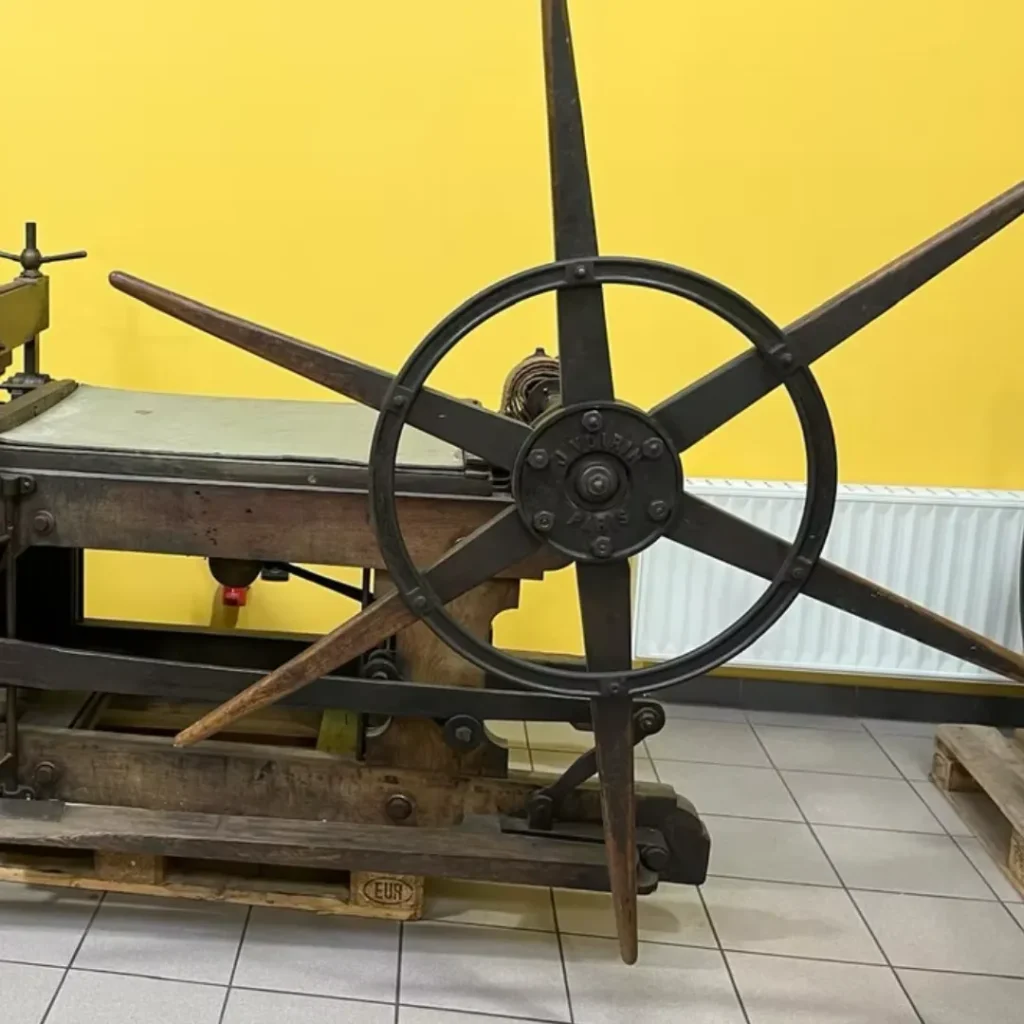
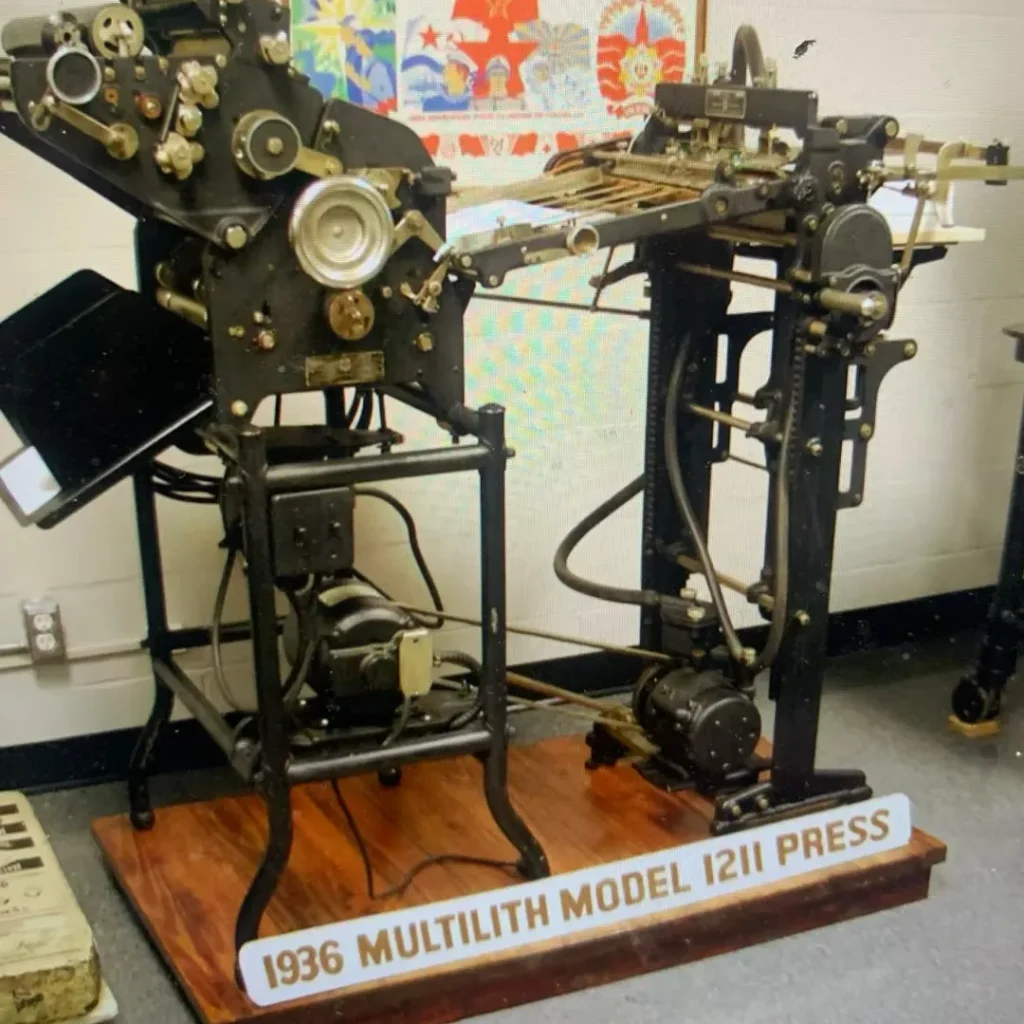
Eventually, the need to share information faster and more widely led to major breakthroughs in printing. From early symbols and written records to movable type and the printing press, each step built upon the human desire to communicate. The printed word became the next great chapter in this story, making knowledge more accessible and helping ideas travel farther than ever before.
Final Reflection for Visitors
Caves were not only physical shelters, but also the first spaces where humanity left traces of its mind, beliefs, and imagination. Every mark on stone is a testament to the human desire to communicate, remember, and transcend.
These early markings remind us that communication began long before alphabets, books, or printing presses. Through images, symbols, and shared spaces, early humans found ways to express fear, hope, memory, survival, and wonder.
As visitors reflect on this history, the cave becomes more than an ancient shelter. It becomes the beginning of a much larger human story, one that leads from stone walls to written language, from manuscripts to printing presses, and from the first marks of expression to the printed word.