

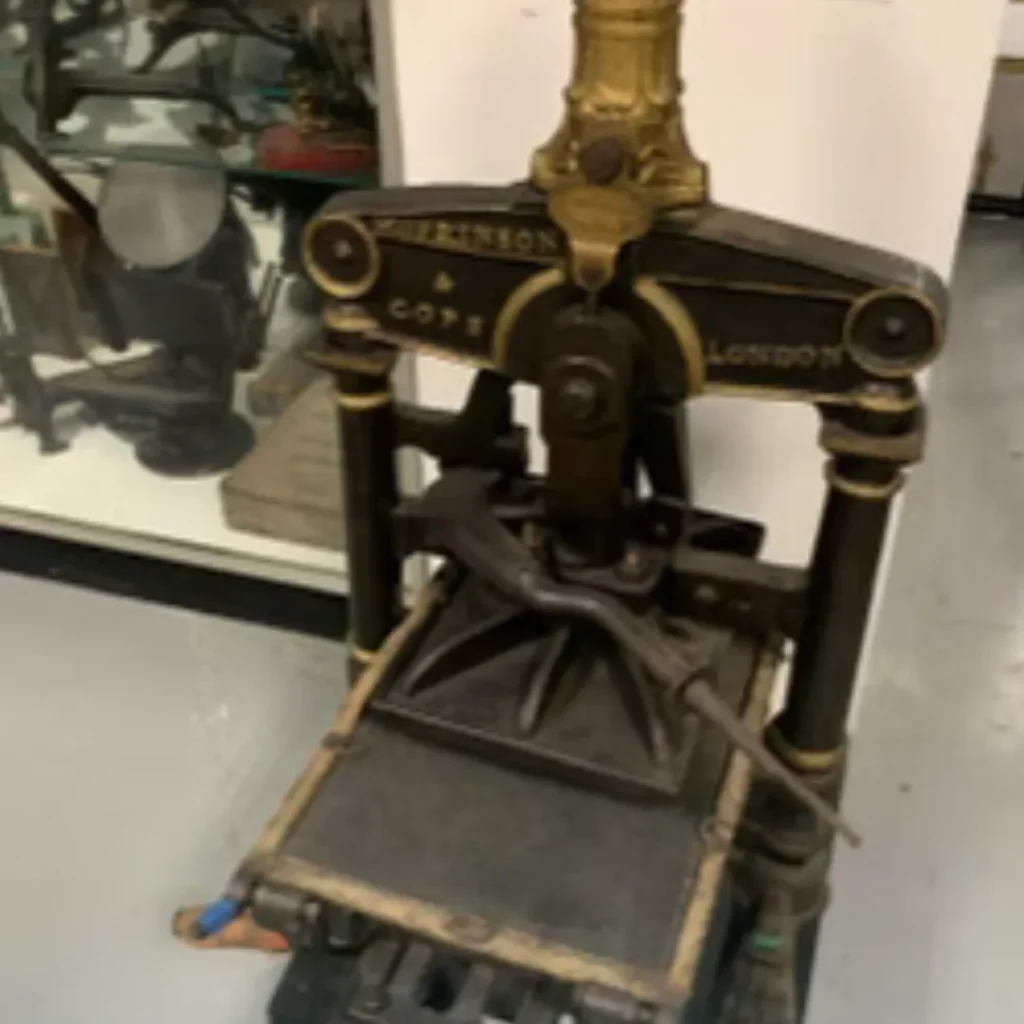

G- Early Platens

Early Platens
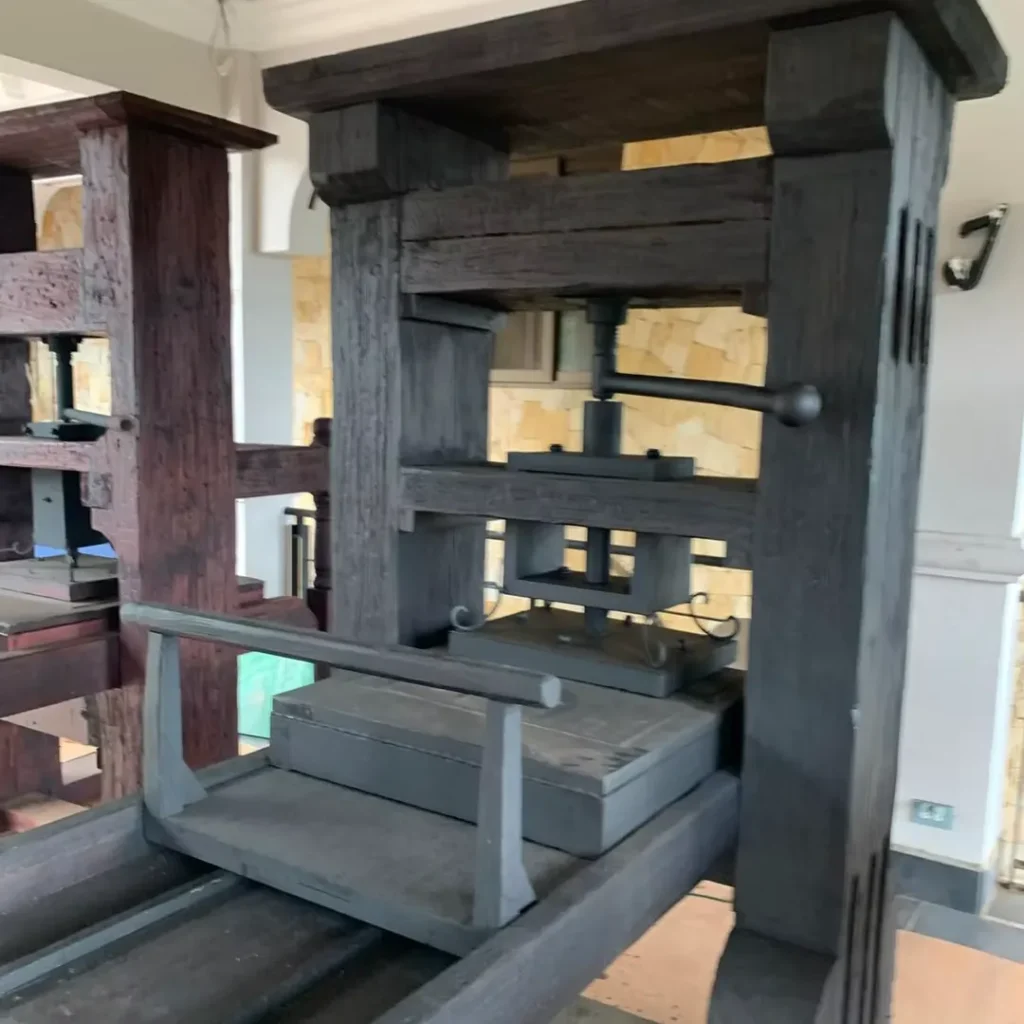
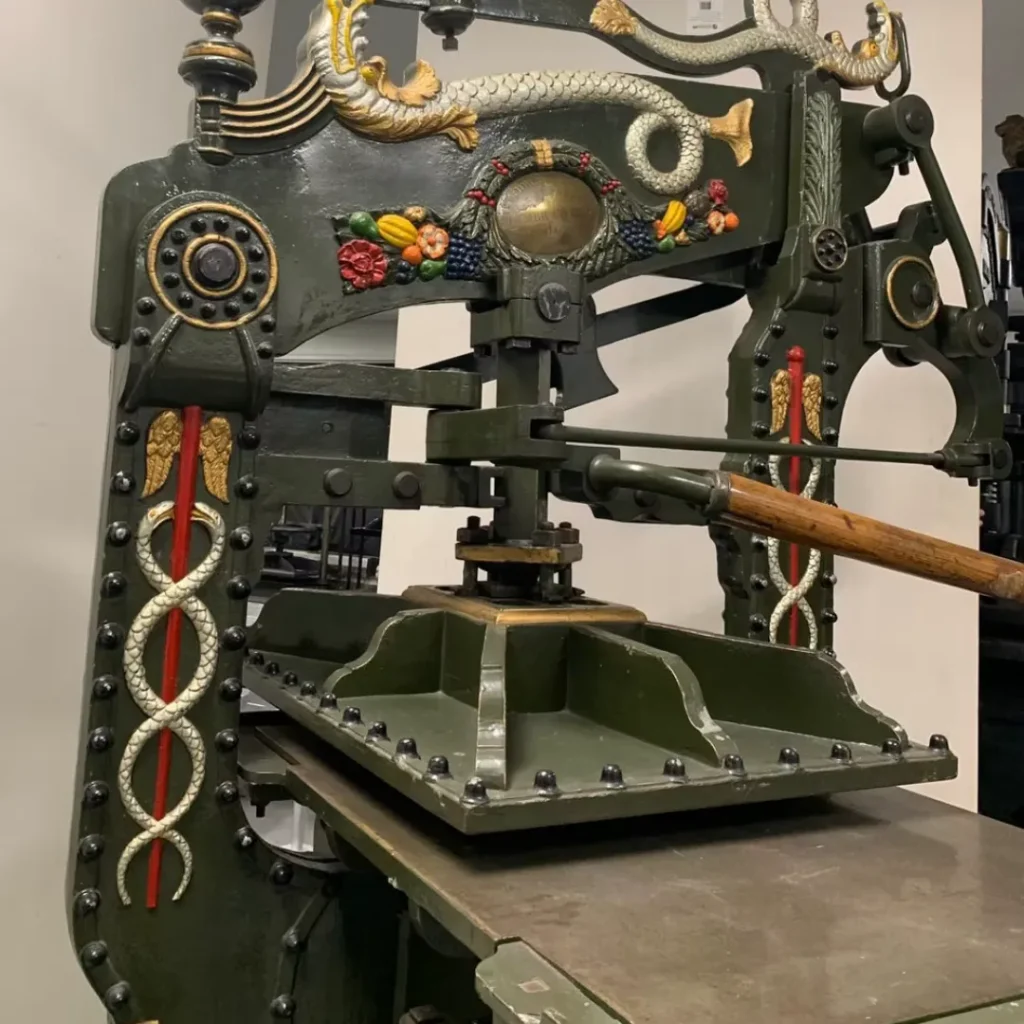
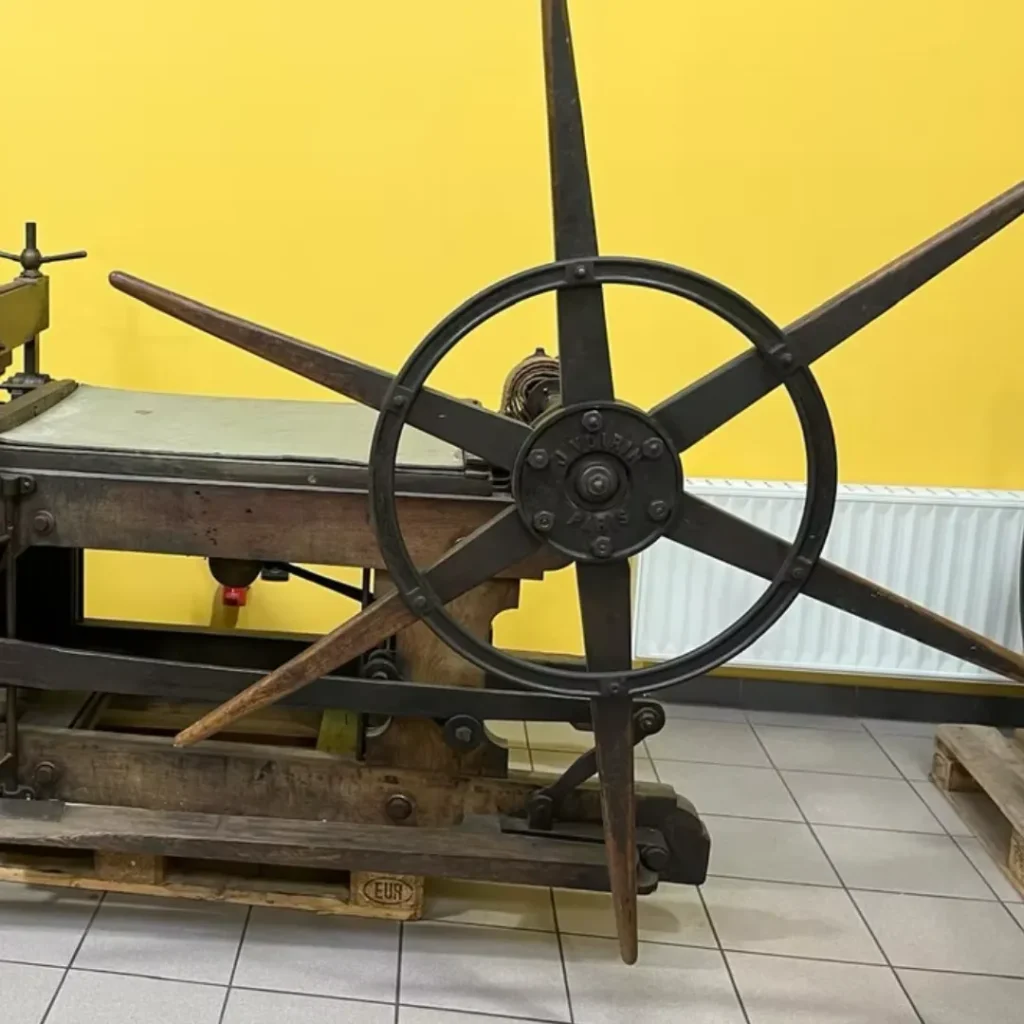
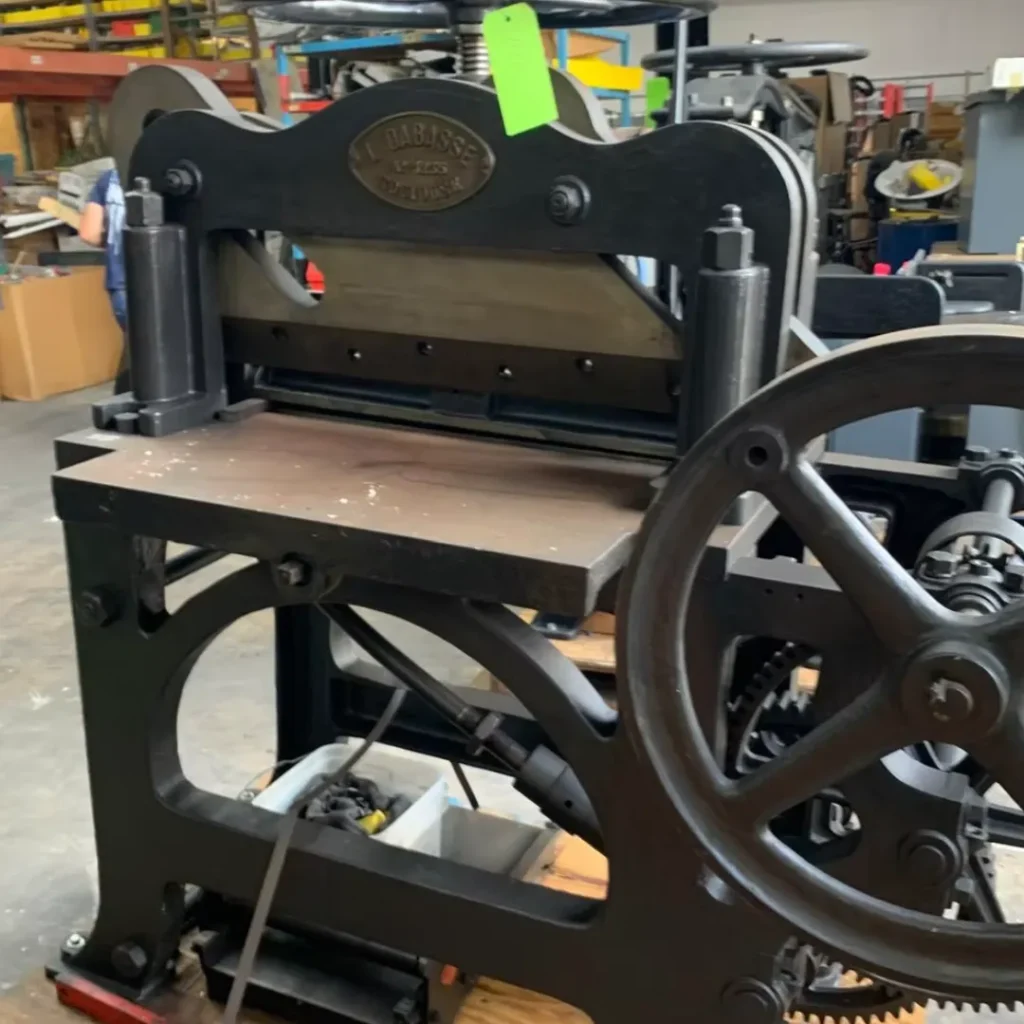
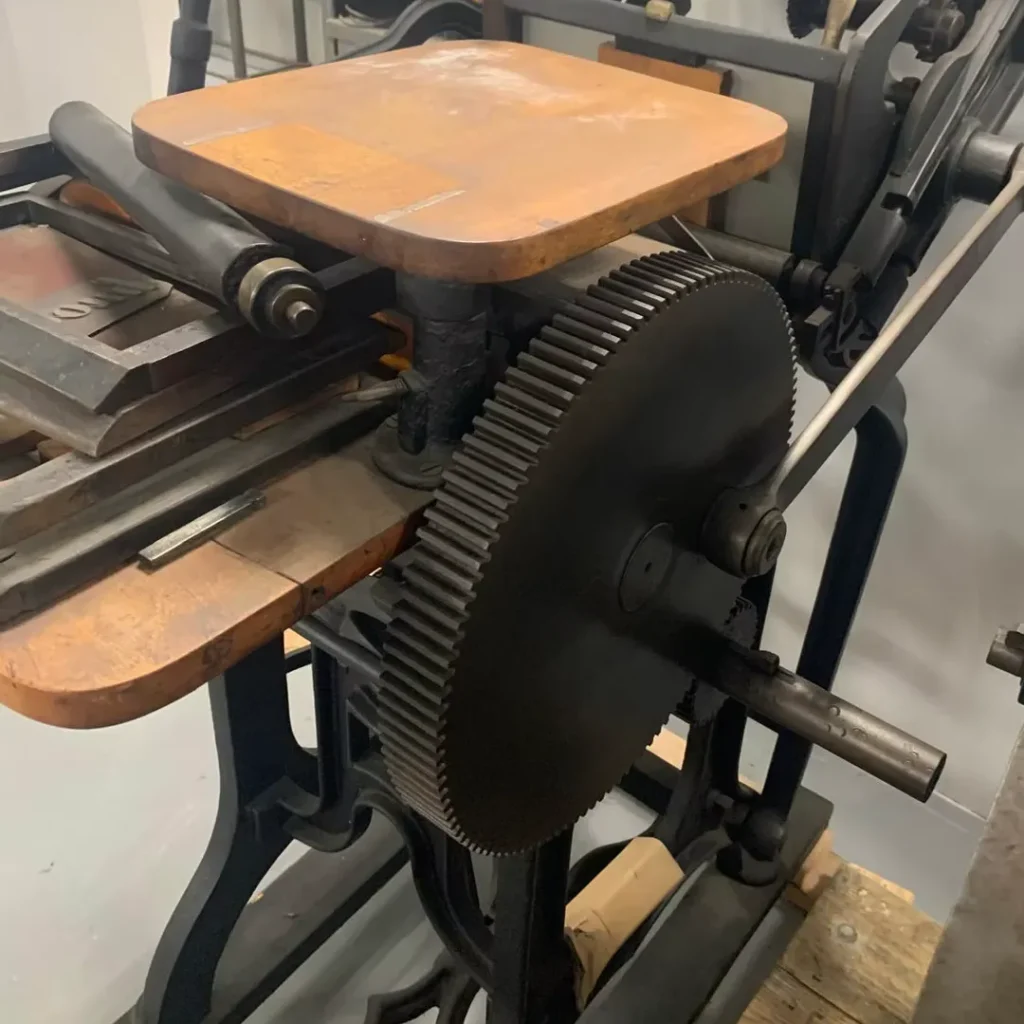
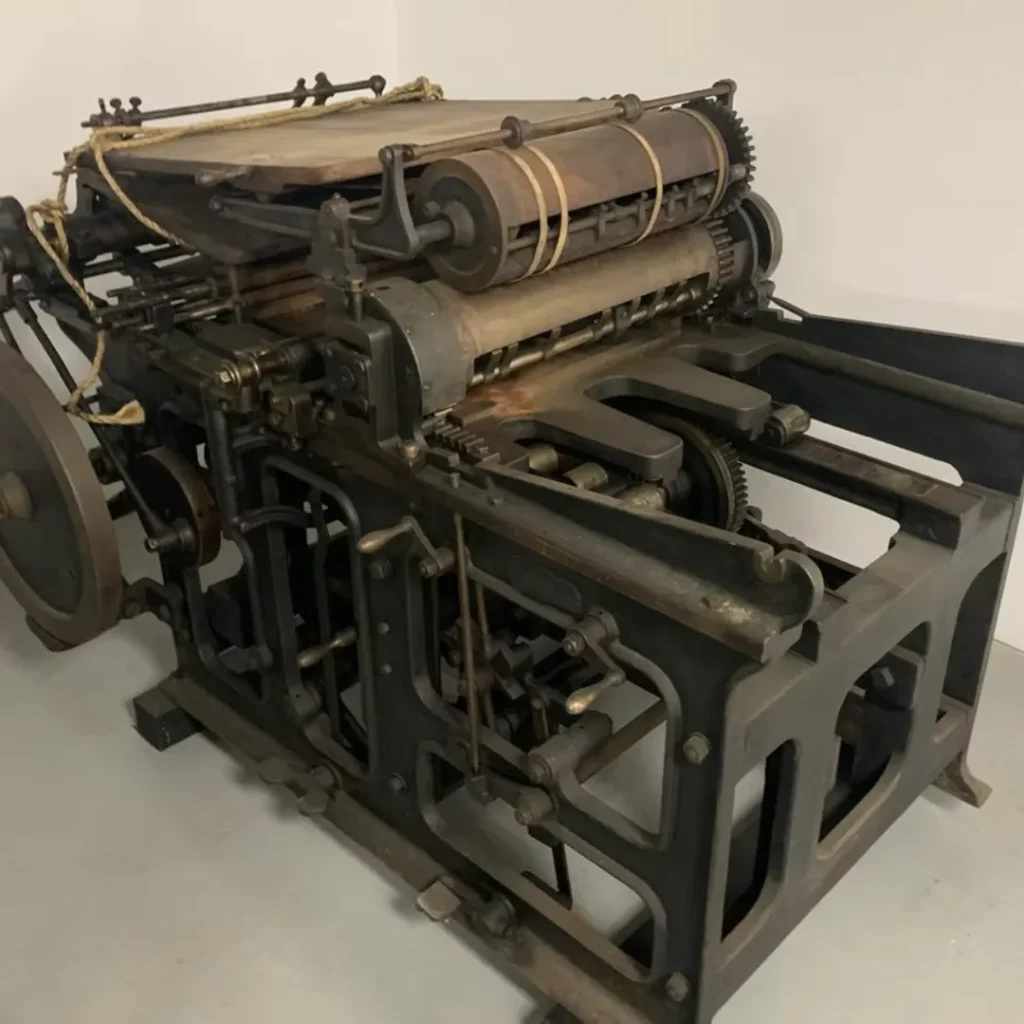
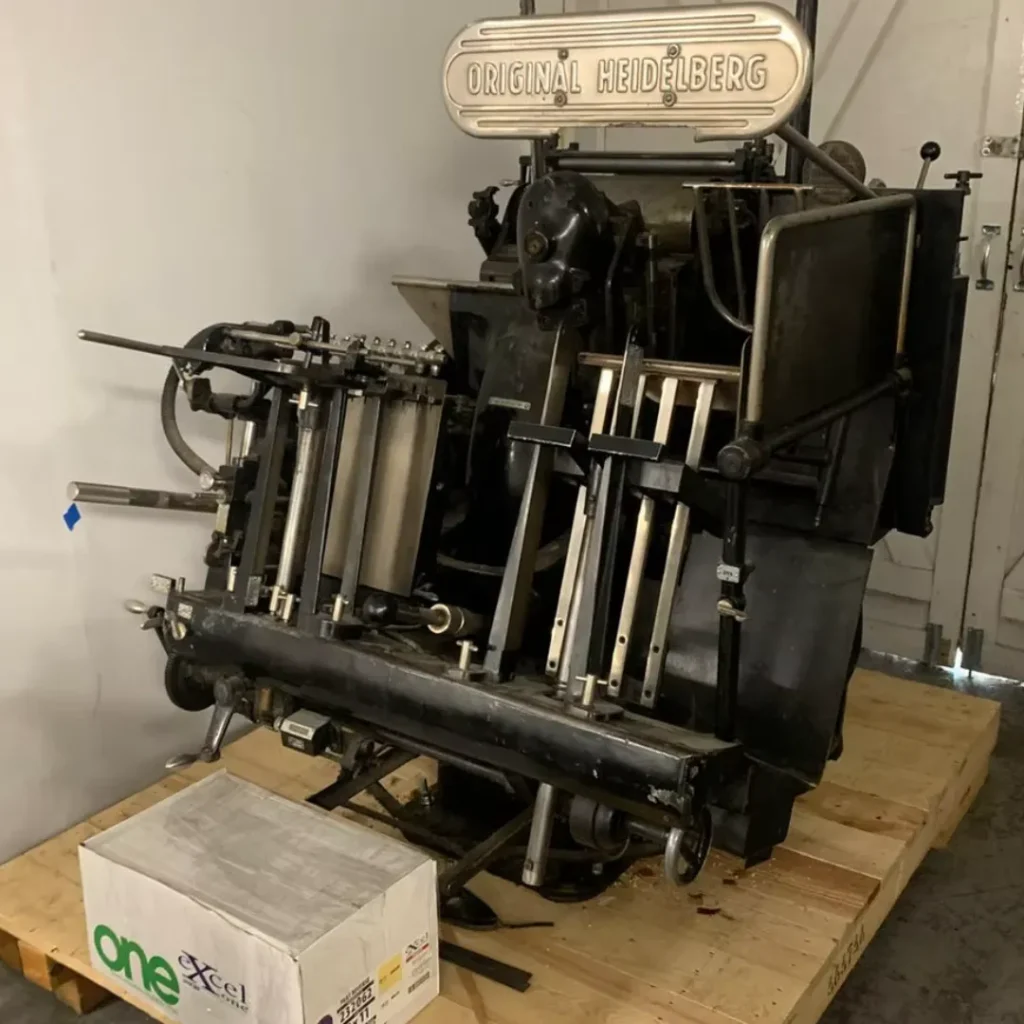
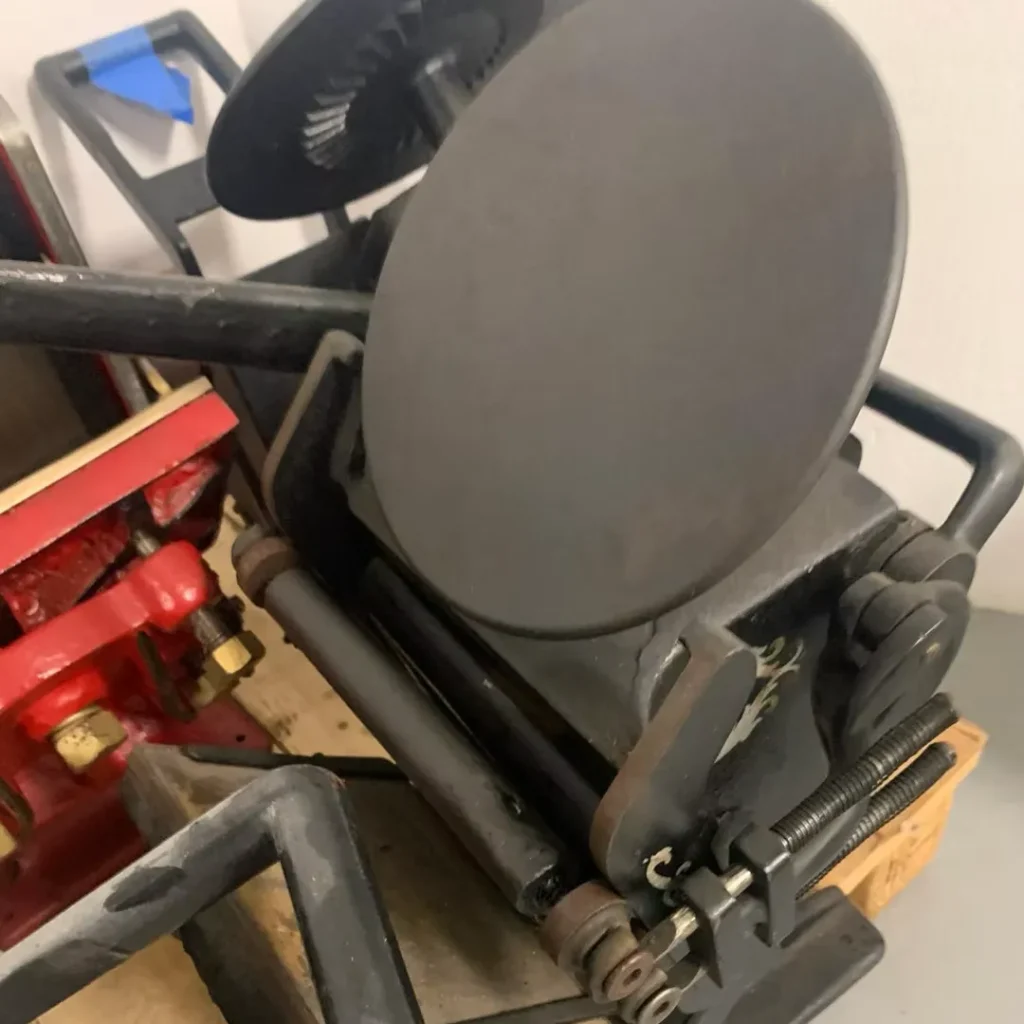
Early platen presses were a major step forward in the development of practical printing machinery. Unlike larger screw presses, platen presses used a flat pressing surface that moved toward the inked type and paper, creating a firm impression in a more compact and efficient design. This made them especially useful for smaller print shops, job printing, and everyday printed materials.
These presses were often used to produce items such as cards, notices, invitations, forms, labels, letterheads, flyers, and small posters. Their design allowed printers to work with speed and accuracy while still relying on careful setup, hand-fed paper, and skilled operation. Each printed piece depended on the proper balance of type, ink, pressure, and timing.
Early platens helped expand the reach of local printing. As communities grew, businesses, churches, schools, newspapers, and organizations needed printed materials for communication and promotion. Platen presses made it easier for printers to meet those needs with dependable equipment and professional results.
At Demers, Gutenberg, Franklin Museum, early platens help visitors see how printing moved from large historical presses toward more flexible shop equipment. These machines represent the hardworking tools that supported everyday communication, local business, community announcements, and the printed pieces people used in daily life.
Gallery

6-G-1 Cerca 1880, clamshell. Pedal push

6-G-2 910, Golding platen . Clam Shell, Pedal Push , auto inker long runs , pedal push

6-G-3 Cerca1870, Danos & Peet’s, peddle push , throw off lever, Platen, New York

6-G-4 Cerca 1920, Golding clam shell . Auto inking , new style, throw off lever, pedal. Boston , mass

6-G-5 Cerca 1880, chandler ‘& price , clam. Shell platen , pedal Push

6-G-6 Cerca 1920, Golding, 67:8 x 10 3:4 , Throw off lever, Boston Principle usa
