

Chinese Paper Making
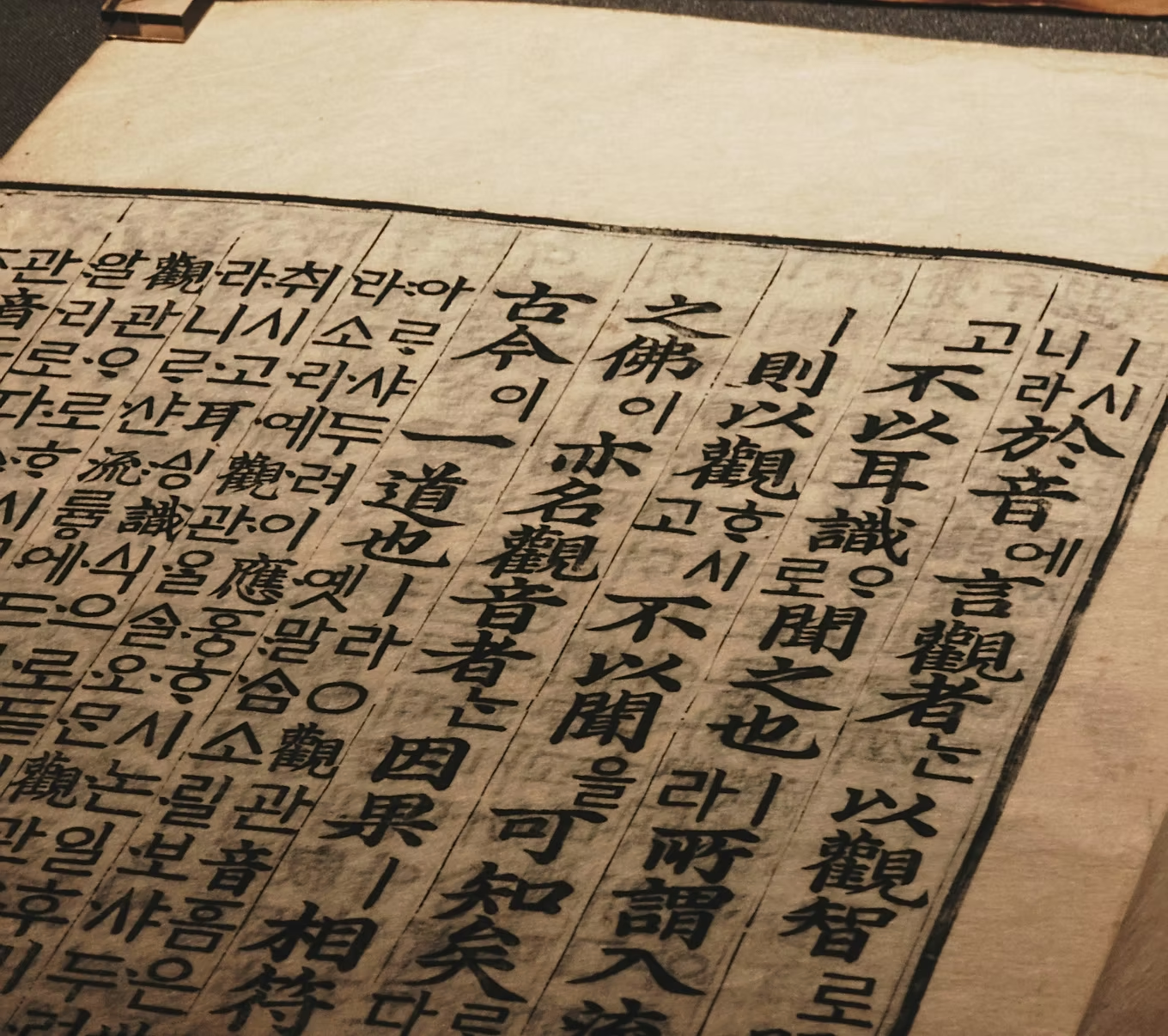
The Ancient Art of Chinese Paper making
For over two millennia, paper has been one of humanity’s most transformative inventions. Its origins trace back to ancient China, where innovation, craftsmanship, and necessity gave rise to a material that would reshape communication, culture, and knowledge.
Early Chinese papermakers used readily available natural resources, transforming them into a flexible and durable writing surface. Common raw materials included:
- Mulberry bark
- Hemp fibers
- Old rags and textiles
- Fishing nets
The Traditional Paper Making Process
The traditional paper making method was a meticulous, multi-step process that required both skill and patience:
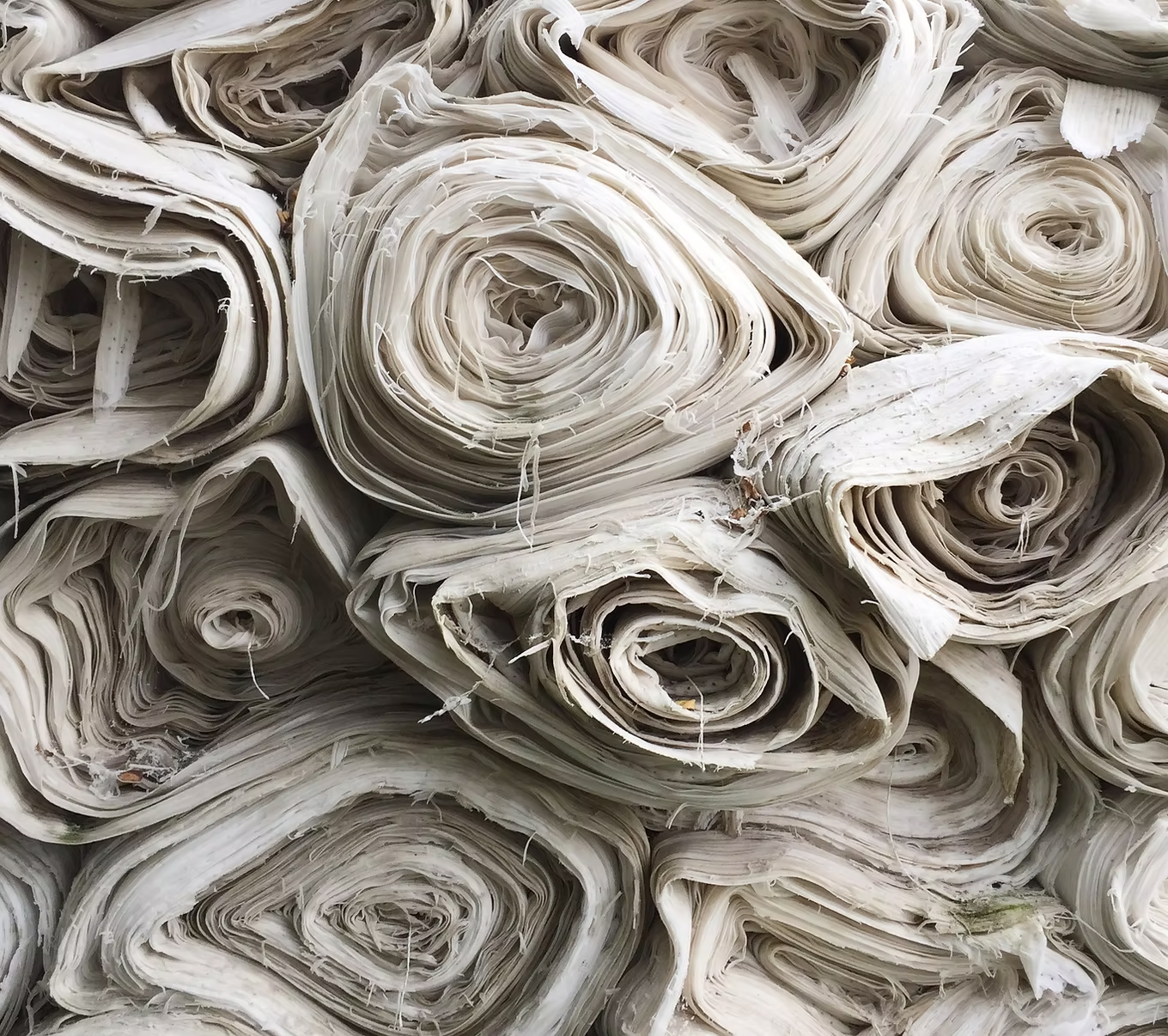
- Preparation of Fibers: Raw materials were soaked in water and then boiled to soften them and remove impurities.
- Pulp Formation: The softened fibers were pounded into a fine pulp, creating a uniform suspension in water.
- Sheet Formation: A bamboo screen or mold was dipped into the pulp mixture. As it was lifted, a thin layer of intertwined fibers remained on the surface.
- Pressing and Drying: The wet sheet was carefully removed, pressed to eliminate excess water, and then left to dry, often on flat surfaces or walls exposed to air.
- Finishing: Once dry, the paper could be polished or treated to improve its texture and suitability for writing or painting.
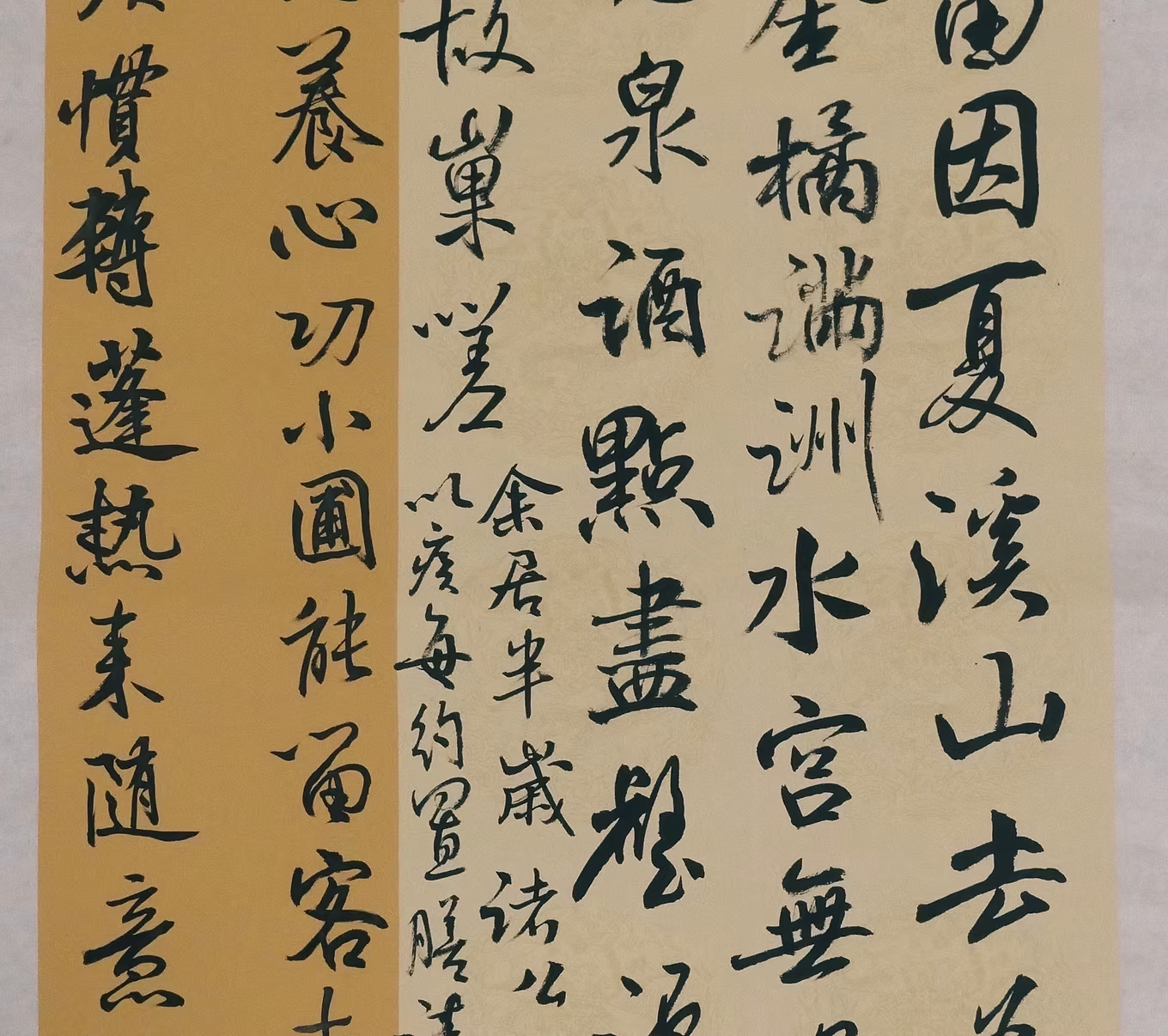
Paper’s Role in Chinese Culture
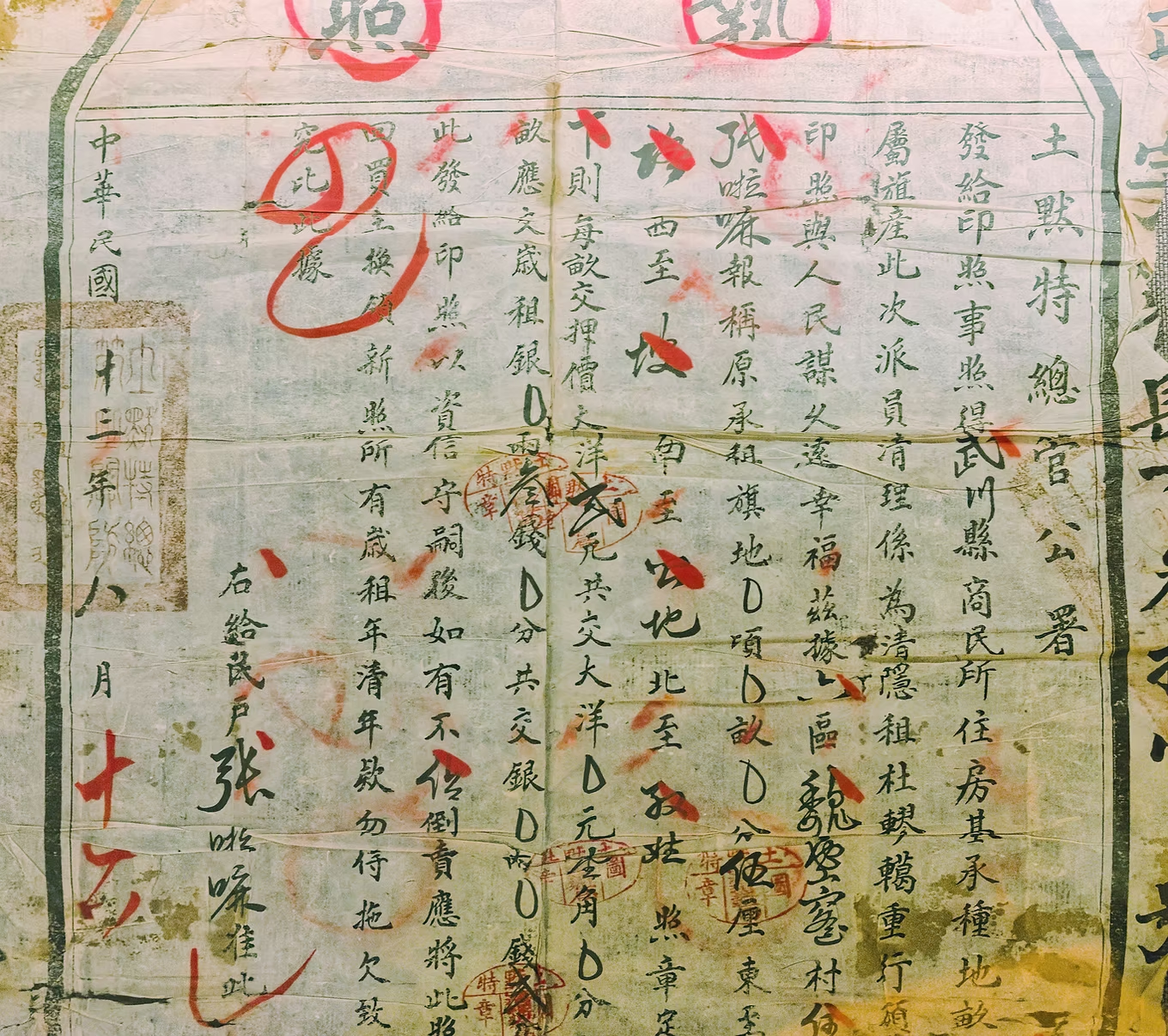
Paper quickly became essential in Chinese society, supporting advancements in literature, administration, education, and art. It gave scholars, officials, artists, and students a more practical surface for recording information, preserving ideas, and sharing knowledge across generations.
As paper became more widely used, it helped strengthen government record keeping, expand written education, and support the spread of books, letters, poetry, and official documents. Its lighter weight and greater flexibility made it easier to store, transport, and use than many earlier writing surfaces.
Paper also played a crucial role in the development of calligraphy and painting, deeply influencing Chinese cultural identity. Through brushwork, ink, and handmade paper, artists and writers created works that expressed beauty, discipline, philosophy, and personal expression.
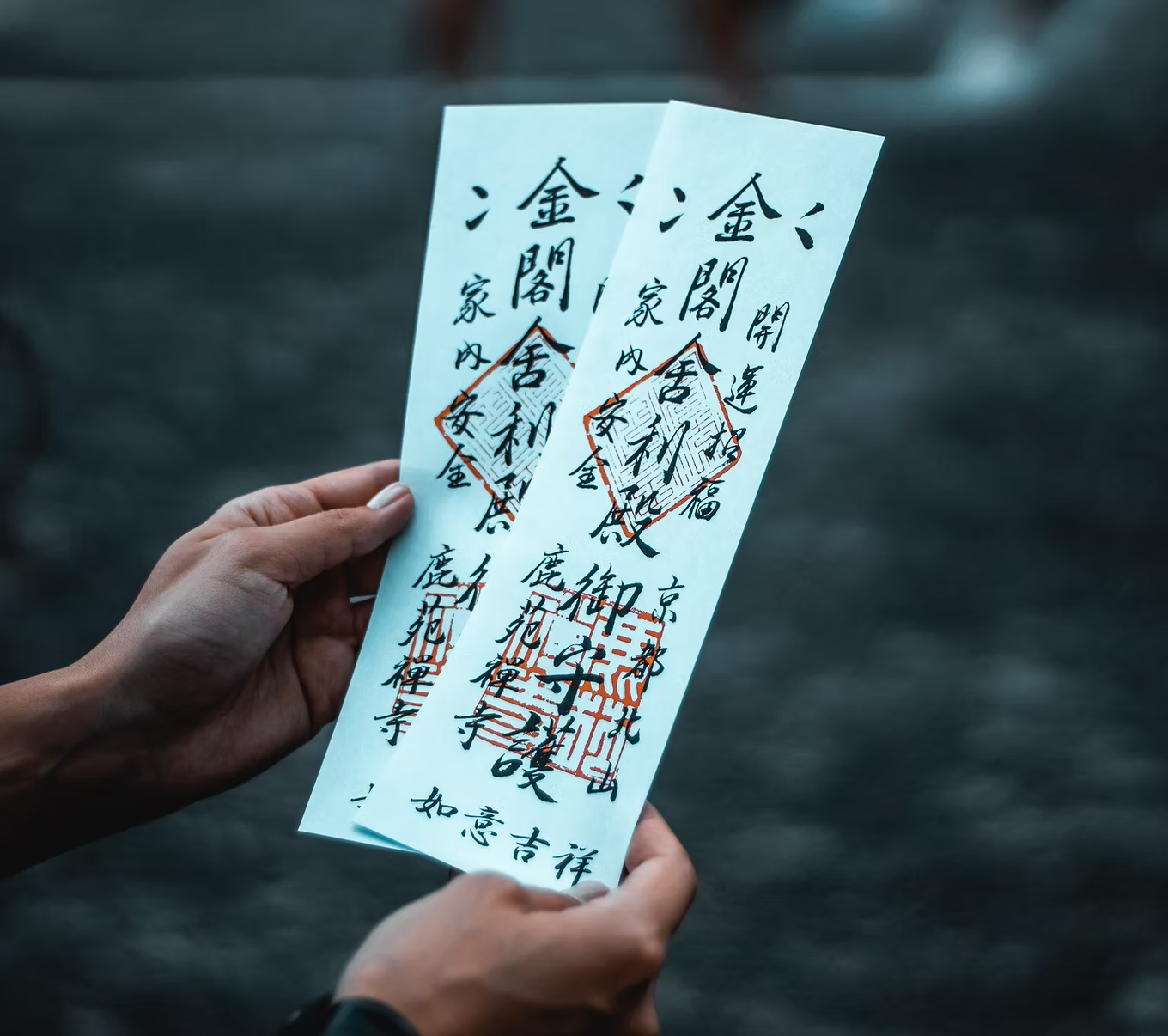
Paper making Spreads Across the World
Over time, the knowledge of papermaking spread along trade routes such as the Silk Road, reaching Central Asia, the Middle East, and eventually Europe. As people, goods, and ideas moved between regions, the craft of making paper traveled with them and became part of many different cultures.
This transmission marked a turning point in global history. Paper made it easier to preserve records, copy literature, exchange letters, create maps, support education, and share religious, scientific, and artistic knowledge across great distances.
As paper making spread, it helped prepare the world for future breakthroughs in printing and publishing. The wider availability of paper gave scholars, governments, merchants, and communities a practical material for communication, making the preservation and spread of knowledge possible on an unprecedented scale.
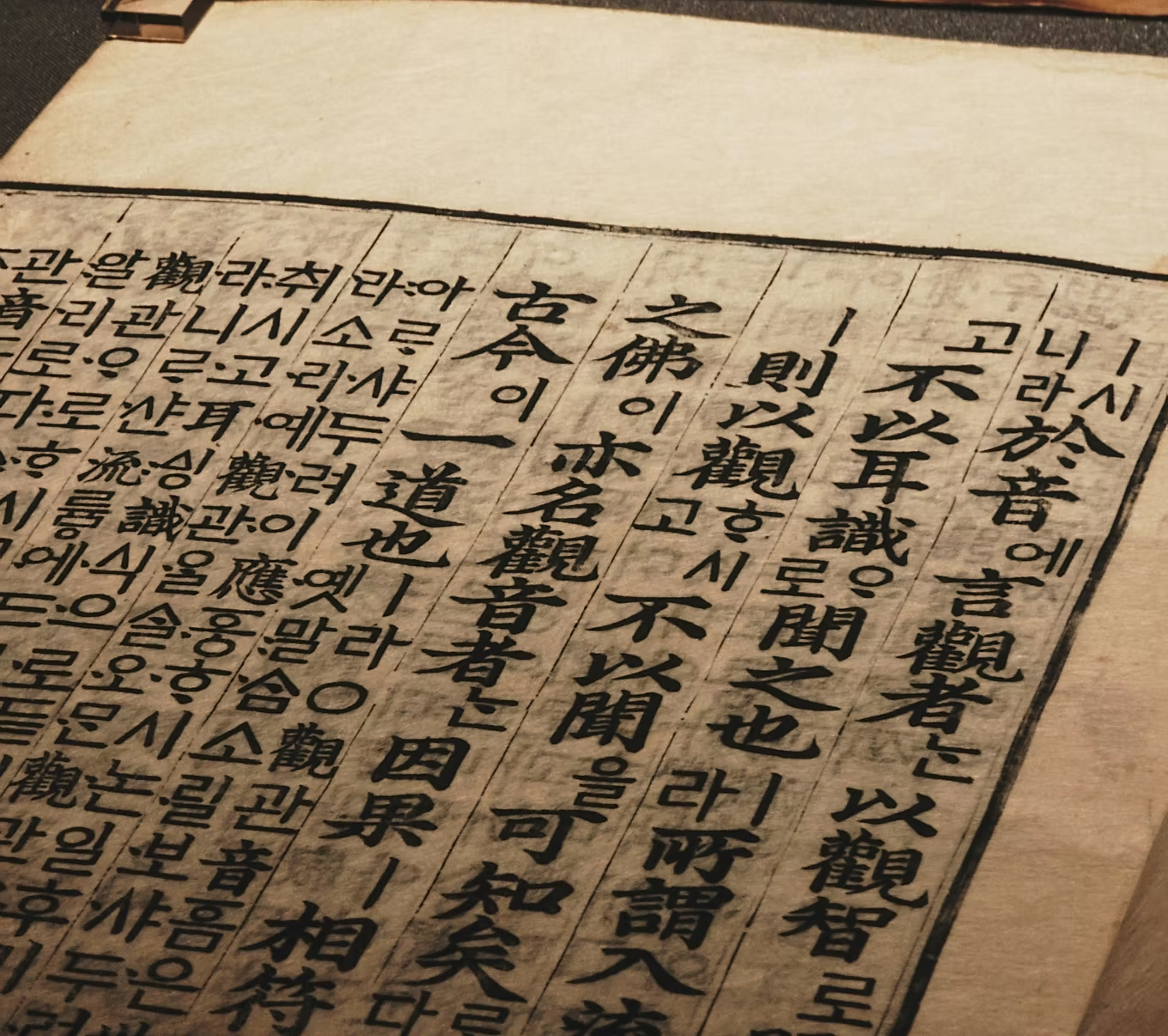
Legacy and Enduring Craftsmanship
The ancient techniques of Chinese papermaking are still preserved today, recognized not only as a technological achievement but also as an intangible cultural heritage. Traditional methods continue to be practiced by artisans who honor the precision and artistry of their ancestors.
These artisans keep the process alive through careful preparation of fibers, hand formation of sheets, patient drying, and refined finishing techniques. Their work reflects a deep respect for natural materials, skilled labor, and the quiet discipline required to create paper by hand.
The legacy of Chinese papermaking continues to inspire artists, historians, educators, and visitors around the world. It reminds us that paper is more than a surface for words or images. It is a bridge between culture, creativity, knowledge, and the enduring human desire to preserve ideas.
Final Reflection for Visitors
From humble plant fibers to a medium that carries ideas across centuries, paper represents one of humanity’s greatest innovations. Its invention in ancient China laid the foundation for education, communication, and creativity—connecting civilizations and shaping the world we know today.