



H- Early Cylinders
Early Cylinders
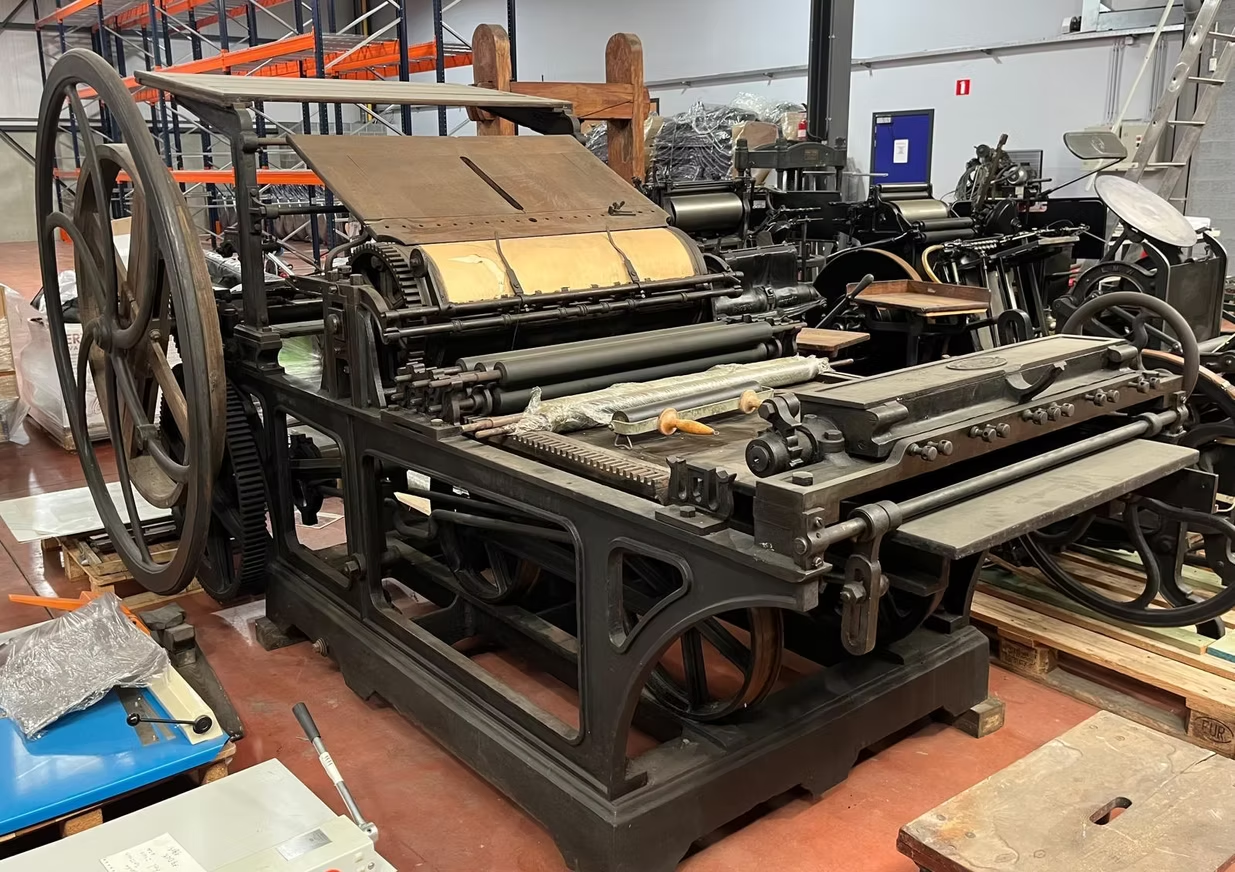
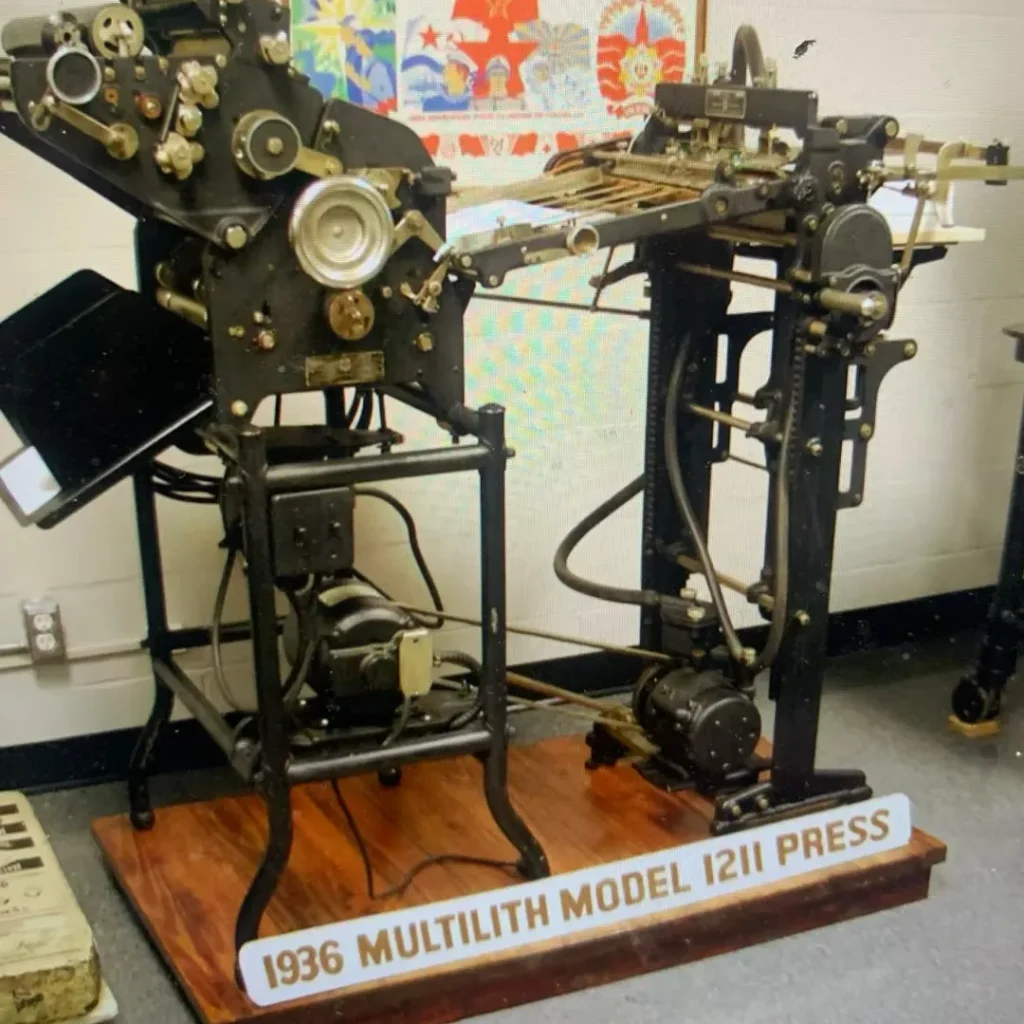
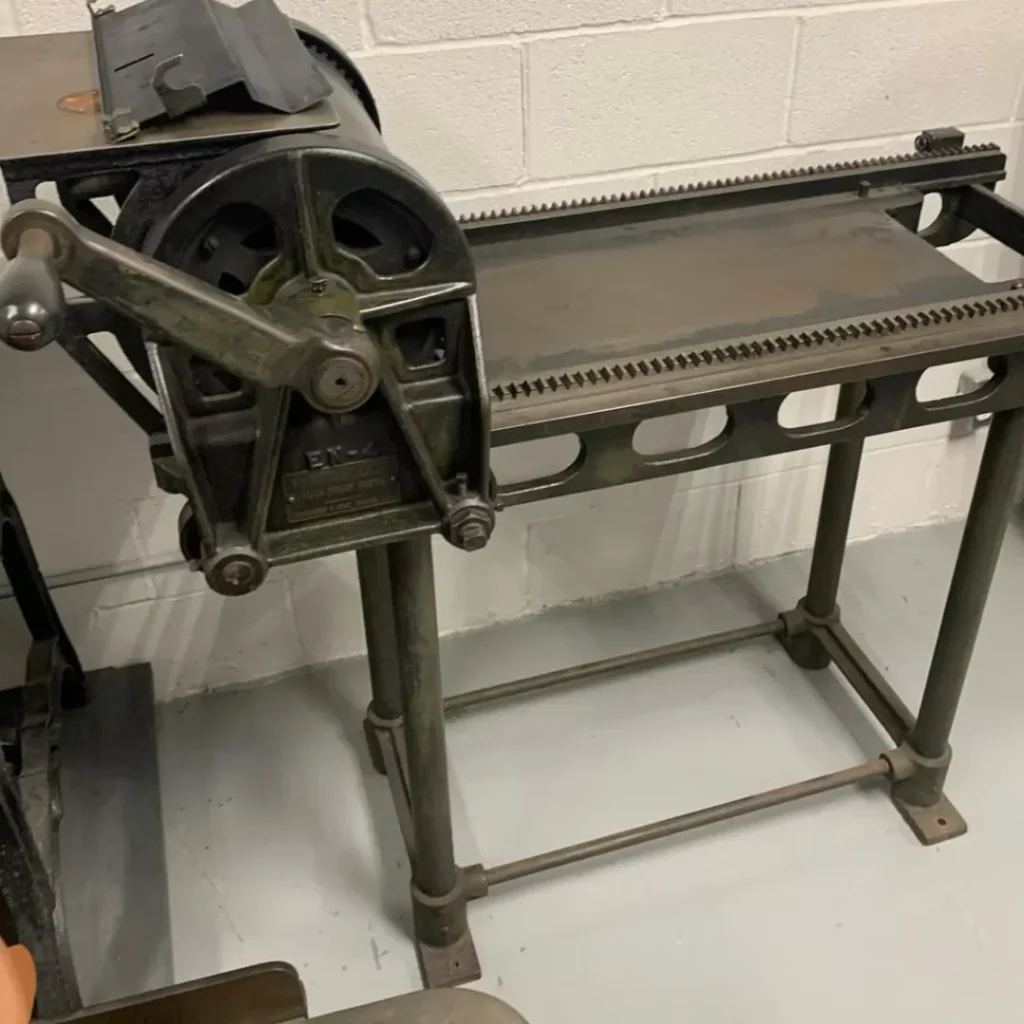
Early cylinder presses marked a major advancement in printing by replacing flat, direct pressure with a rolling cylinder action. Instead of pressing an entire sheet at once, the cylinder moved paper across the inked type or printing surface, creating a smooth and consistent impression. This innovation helped improve speed, control, and production capacity.
Cylinder presses became especially important as the demand for printed materials continued to grow. Newspapers, books, posters, broadsides, forms, and commercial materials all benefited from machines that could print more efficiently than many earlier press designs. For printers serving busy communities, the cylinder press offered a powerful step toward higher volume production.
These machines still required great skill to operate. Printers had to prepare the type or plates, manage ink distribution, align the paper, adjust pressure, and monitor every part of the process. The cylinder press may have increased productivity, but quality still depended on the knowledge and craftsmanship of the people running it.
At Demers, Gutenberg, Franklin Museum, early cylinders help visitors understand how printing evolved from hand-operated pressure systems into more advanced mechanical production. They represent a key chapter in the story of faster communication, growing newspapers, expanding literacy, and the increasing demand for printed information.
Gallery
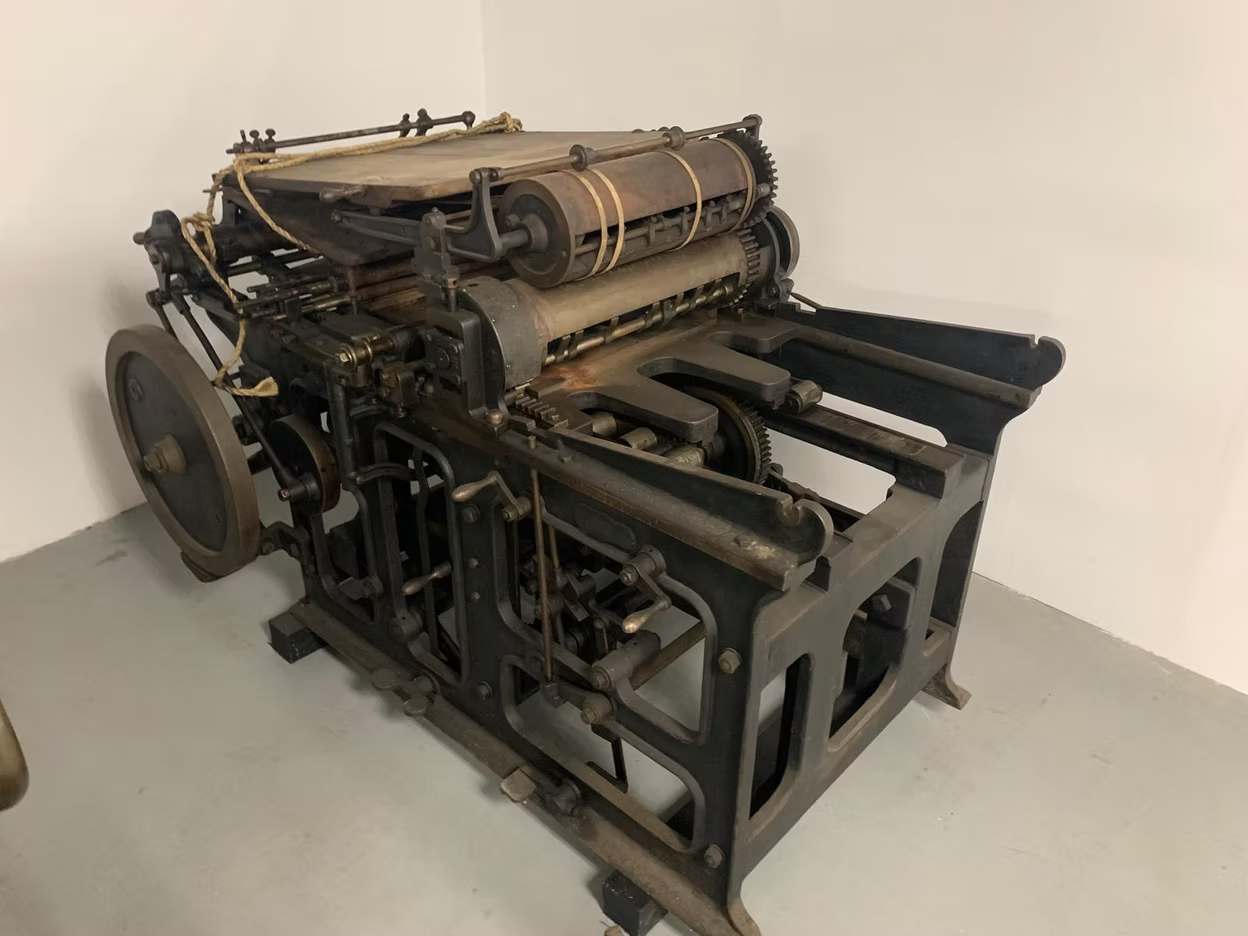
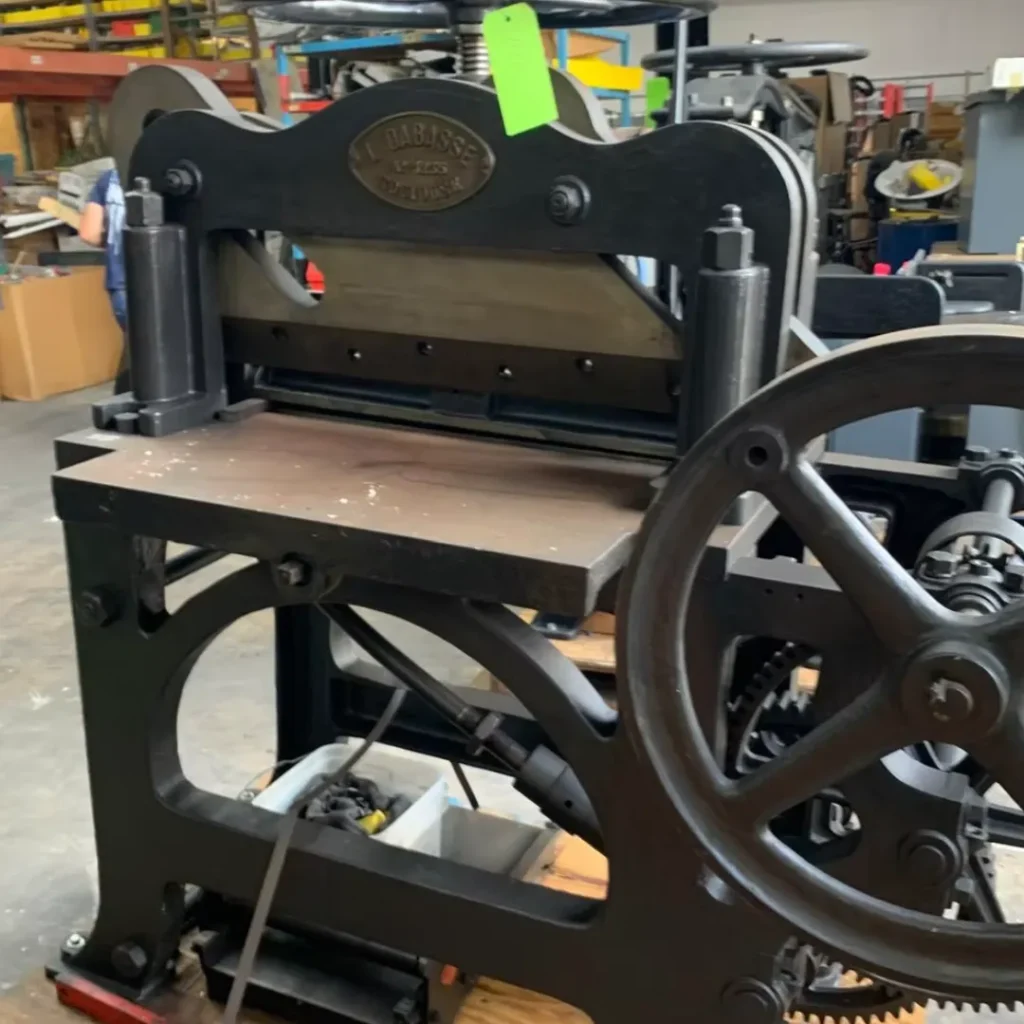
6-H-1 Cerca 1860, W Dawson & sons, Otley , London , manual push , stop cylinder
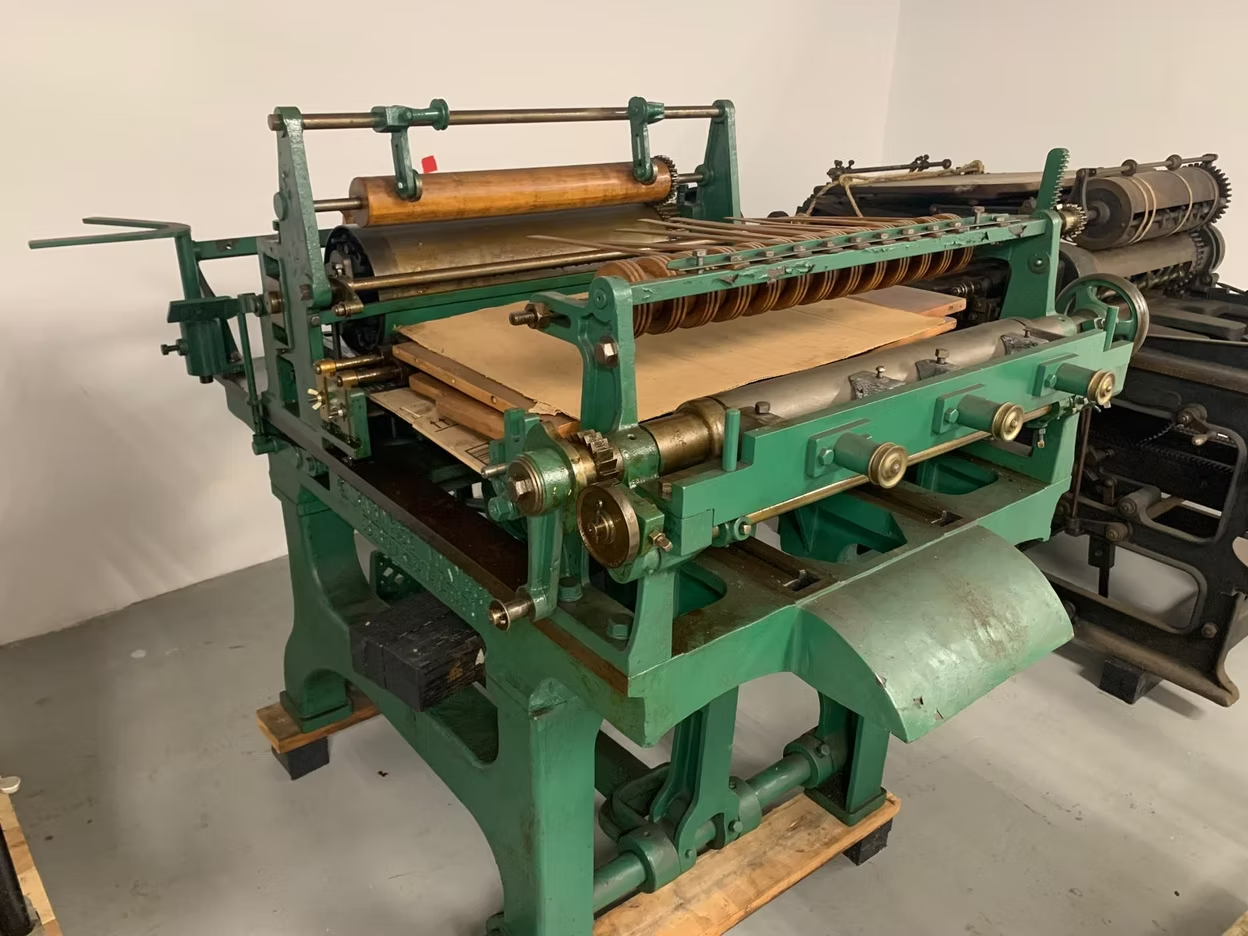
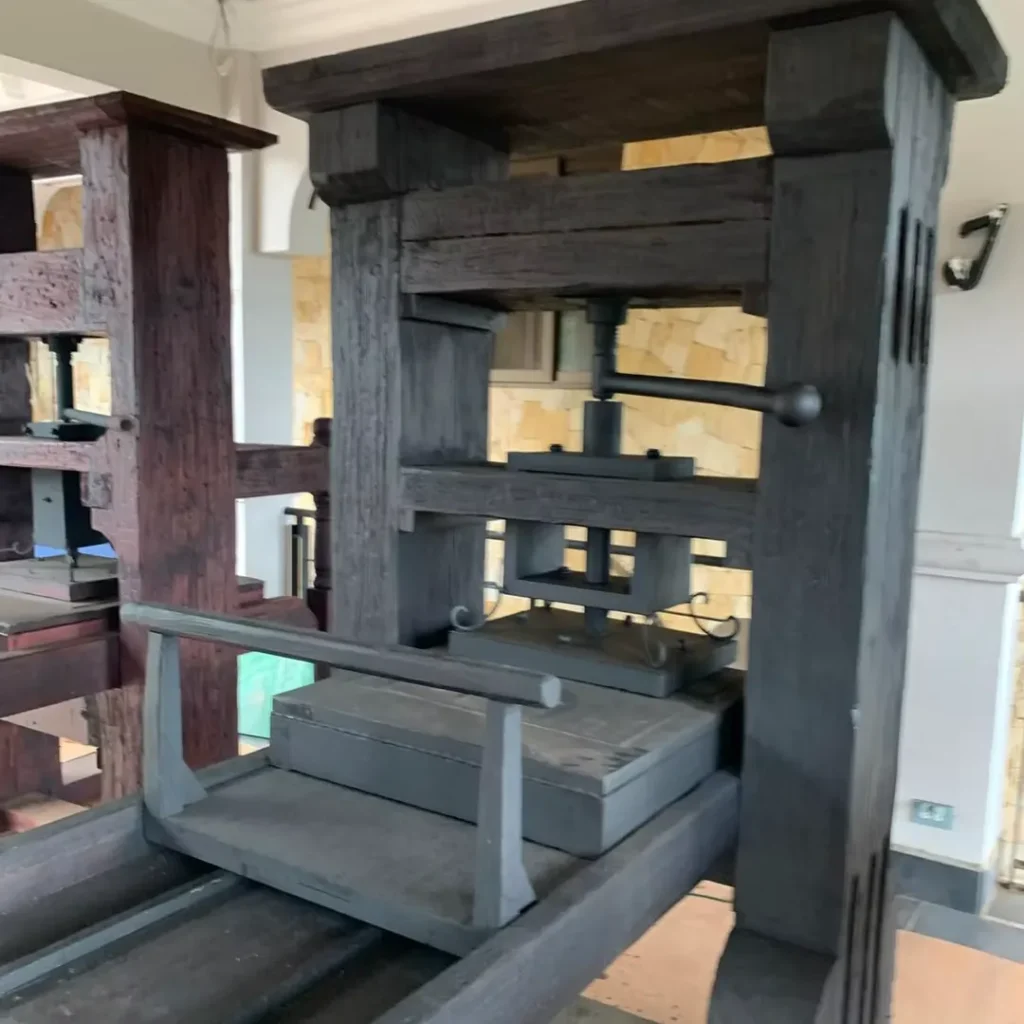
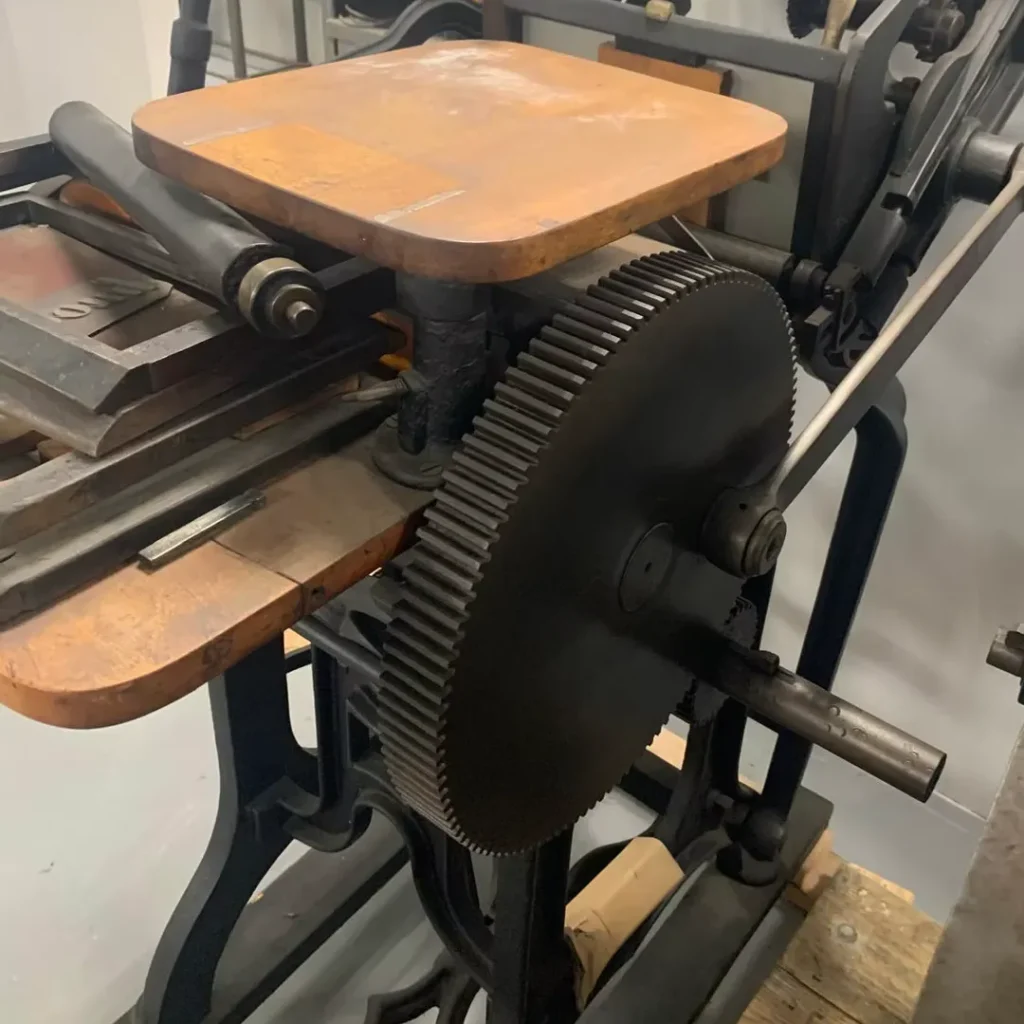
6-H-2 Cerca 1840, Schildneck, Brussels, Belgium , pedal Push operated , stop cylinder
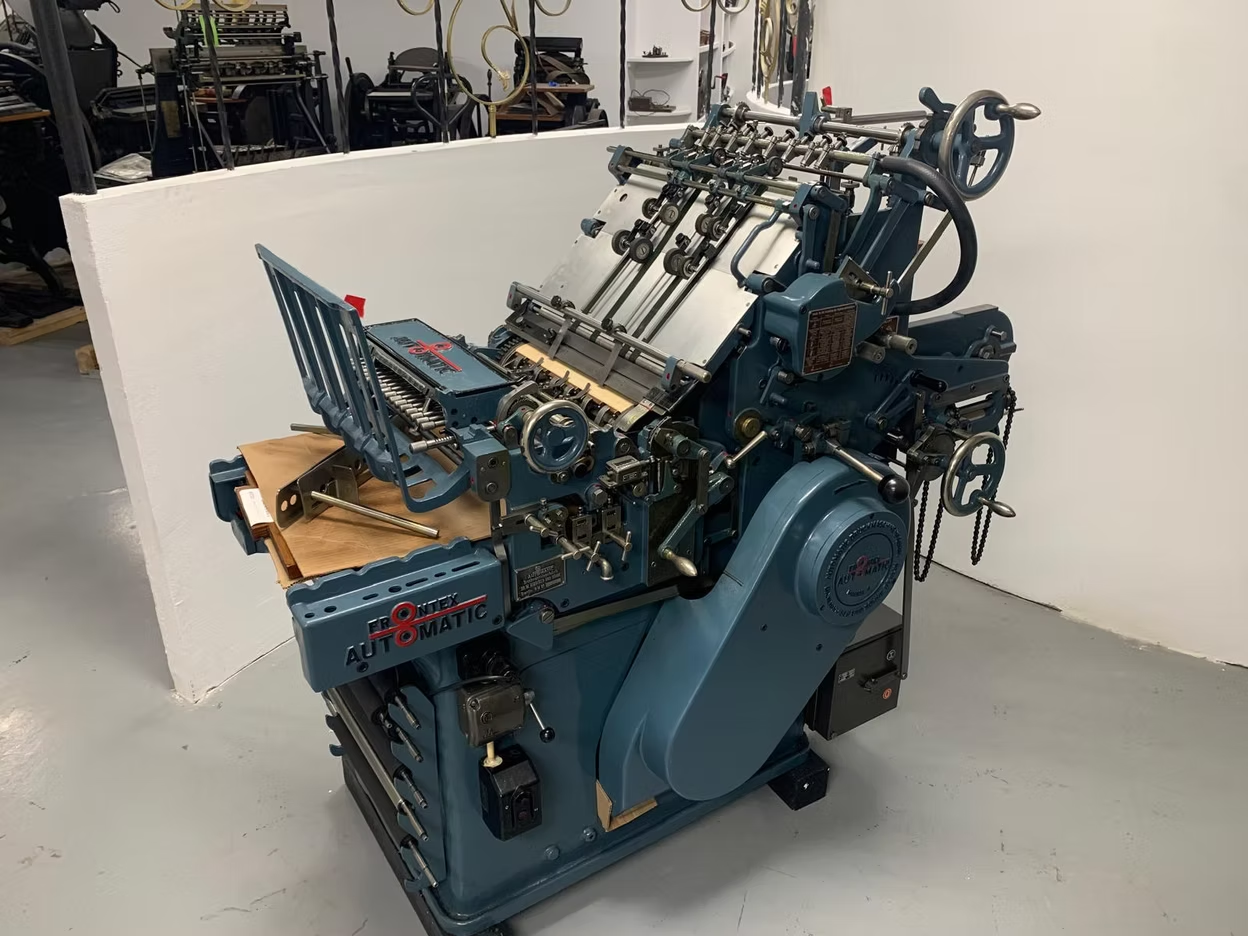
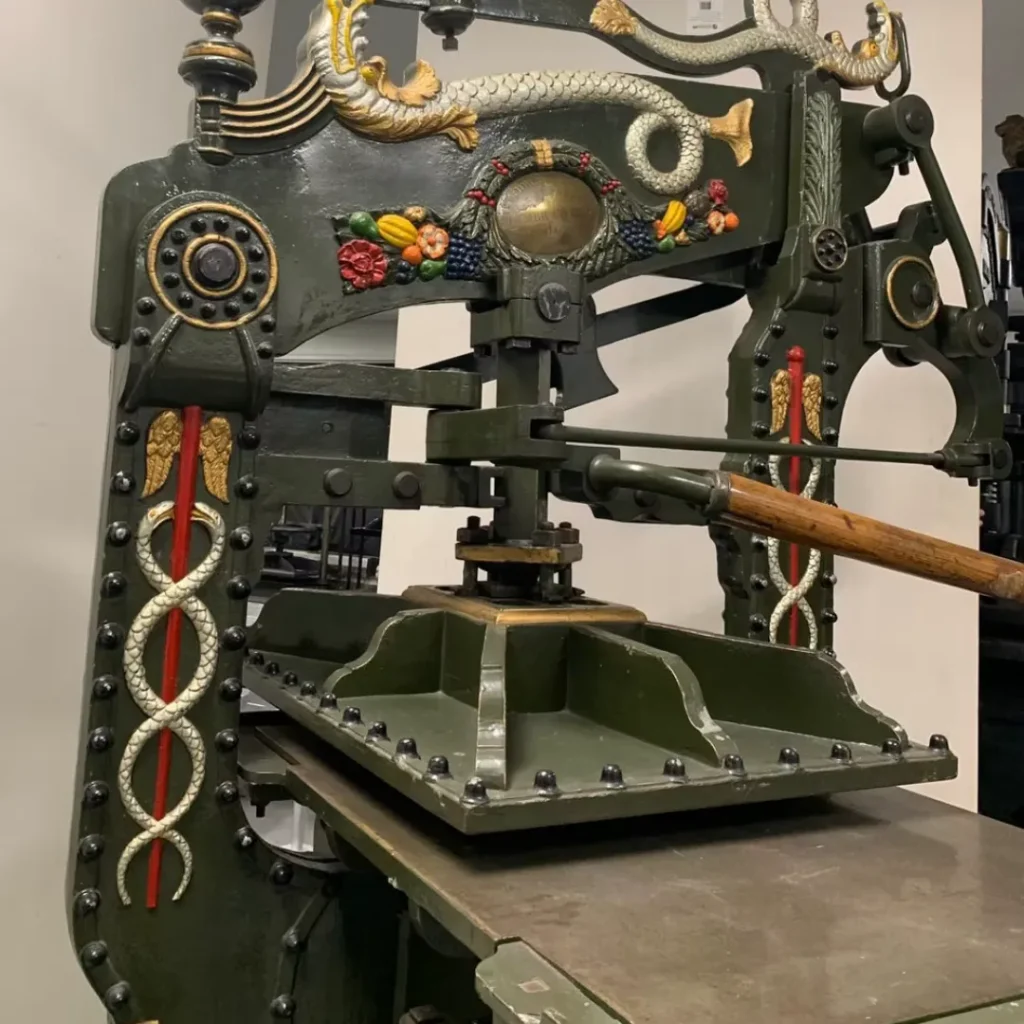
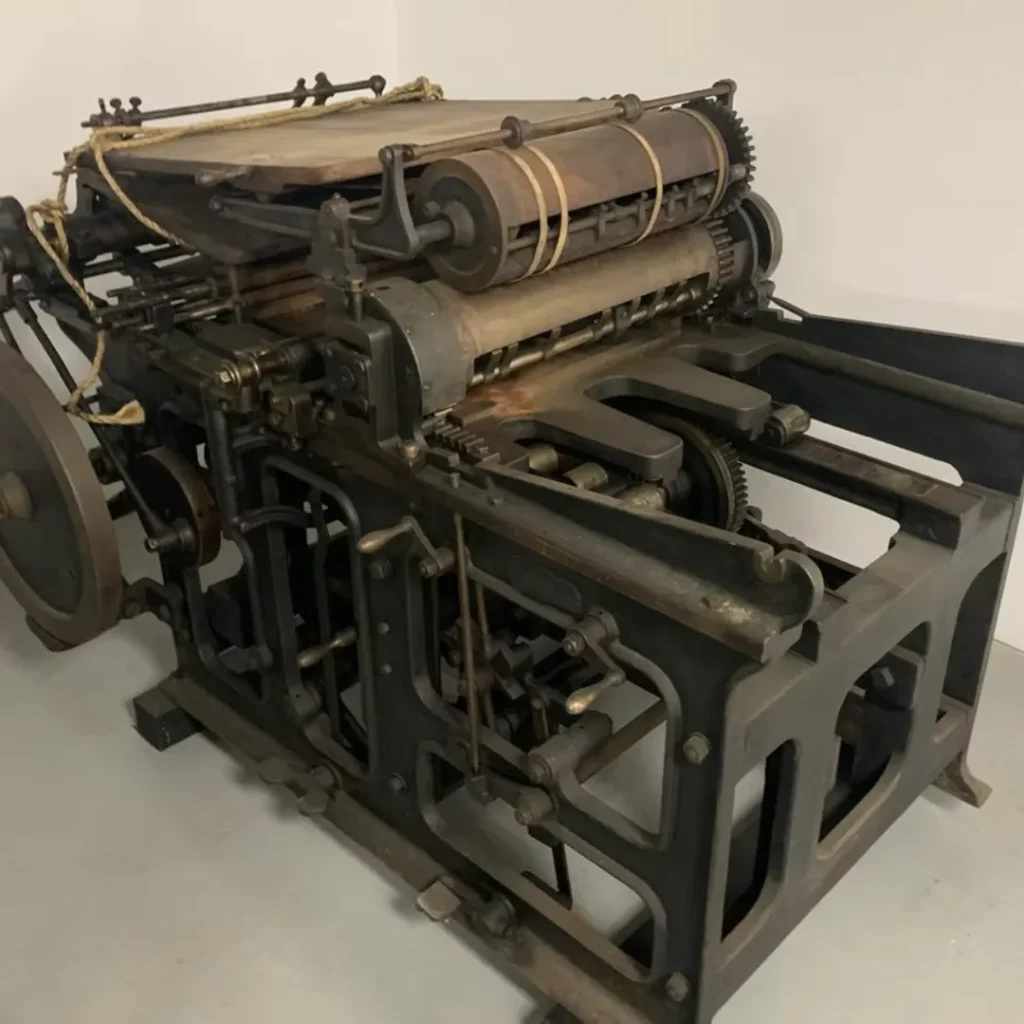
6-H-3 Cerca 1920, FRONTEX Automatic, # 22055, auto feed and auto delivery druckmaschinen , mfg Dr w, Hinniger und Sohne, Berlin , west Germany
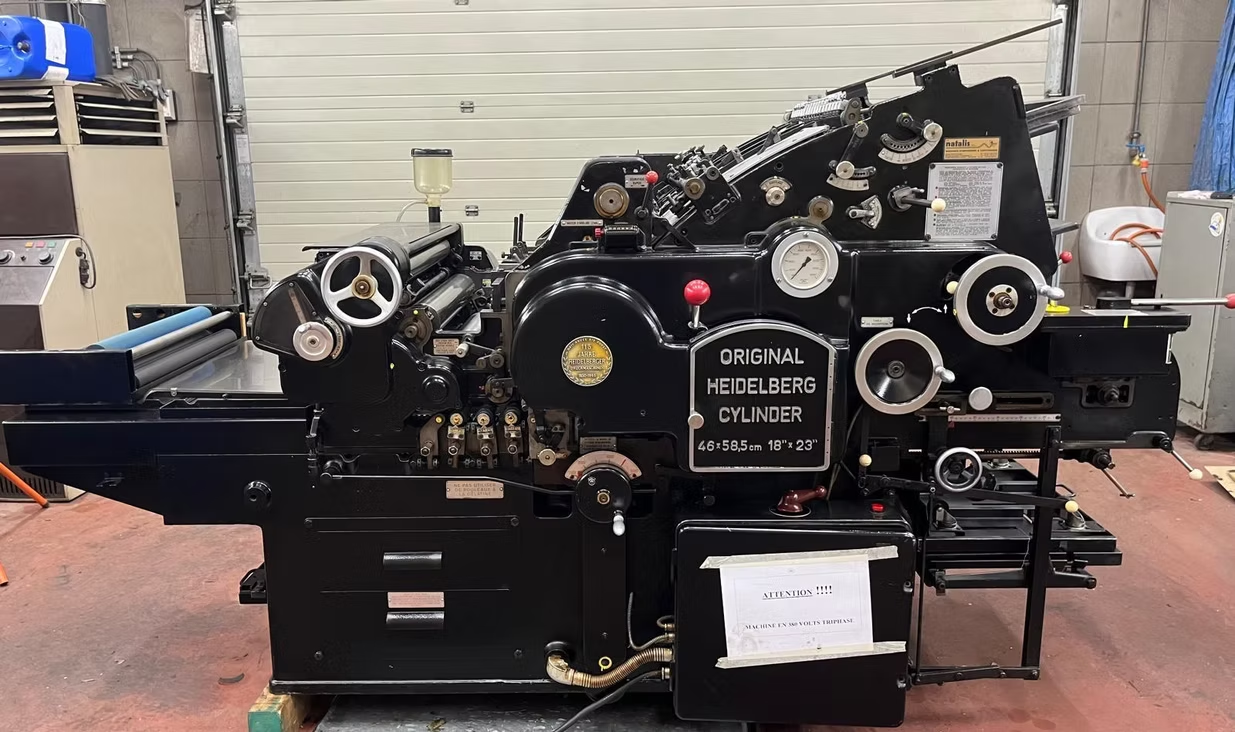
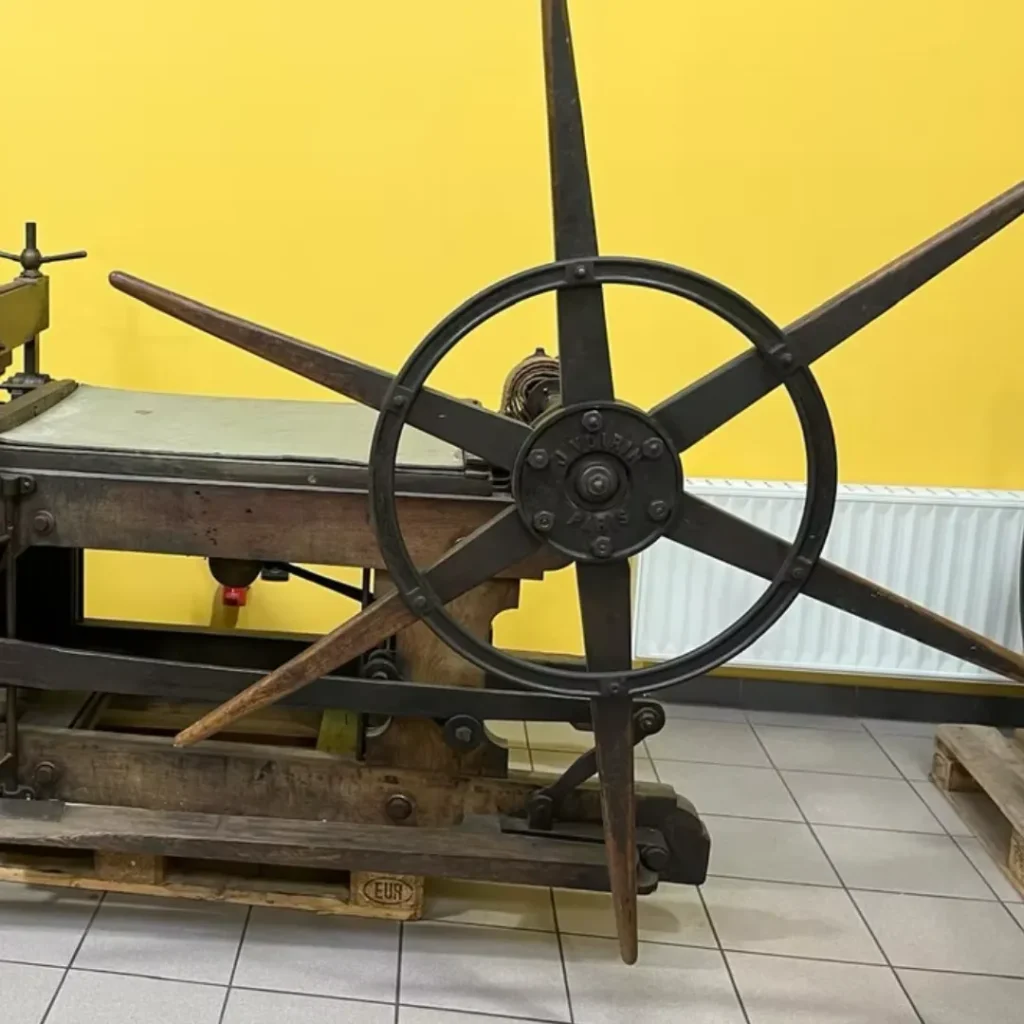
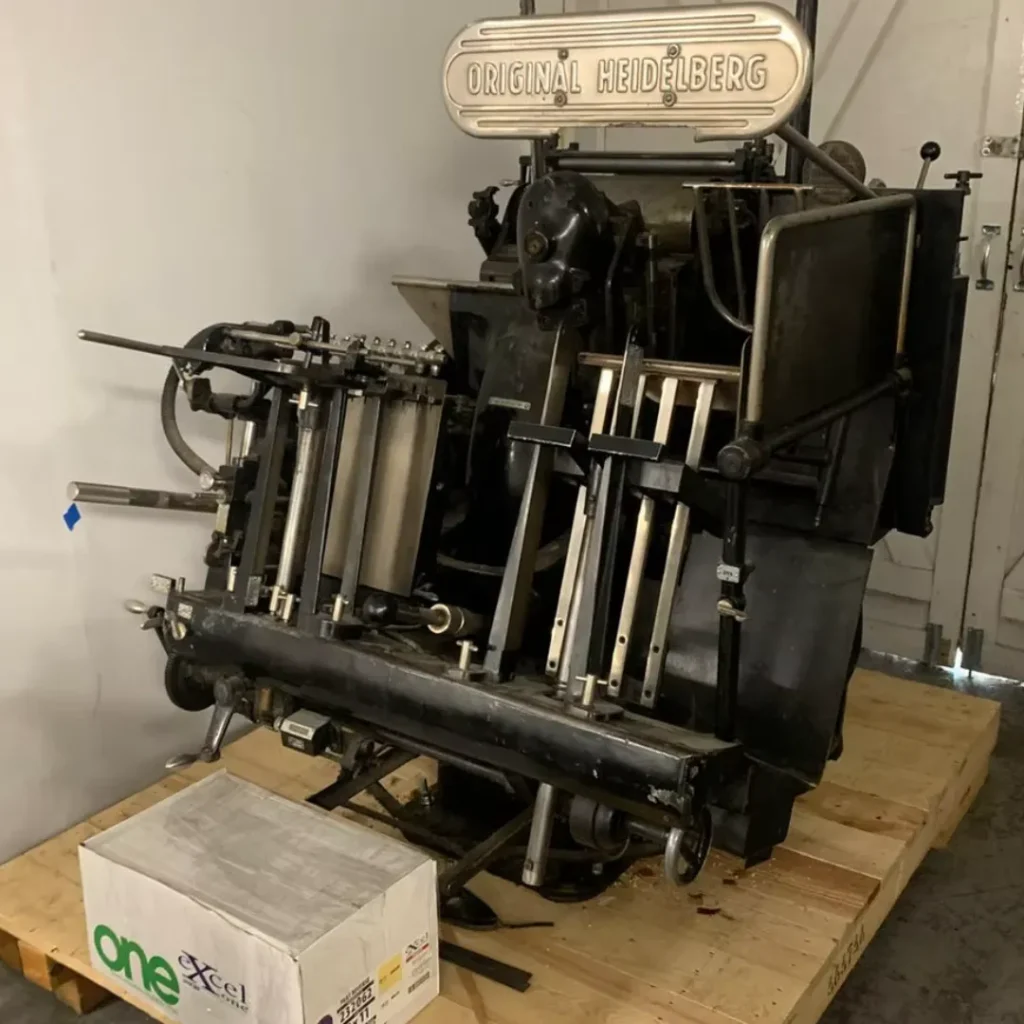
6-H-4 Cerca 1963, Heidelberg ksba, 18×23, letterpress , auto feed y delivery