

E- Movable Type
Movable Type
Movable type is one of the most important innovations in the history of printing. Instead of carving or writing each page by hand, individual letters, numbers, and symbols could be arranged, inked, printed, and reused. This breakthrough made it possible to produce printed pages with greater speed, consistency, and flexibility.
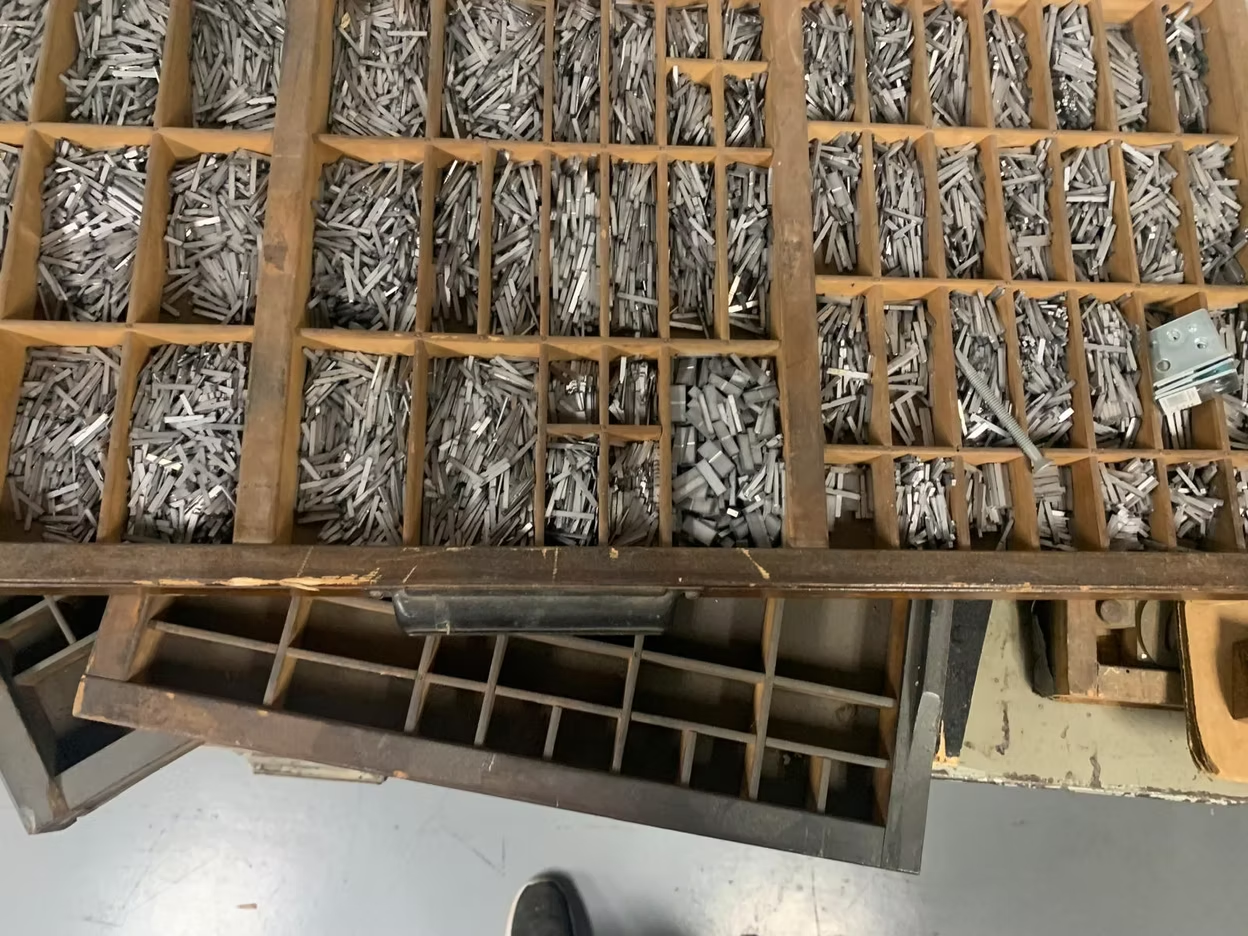
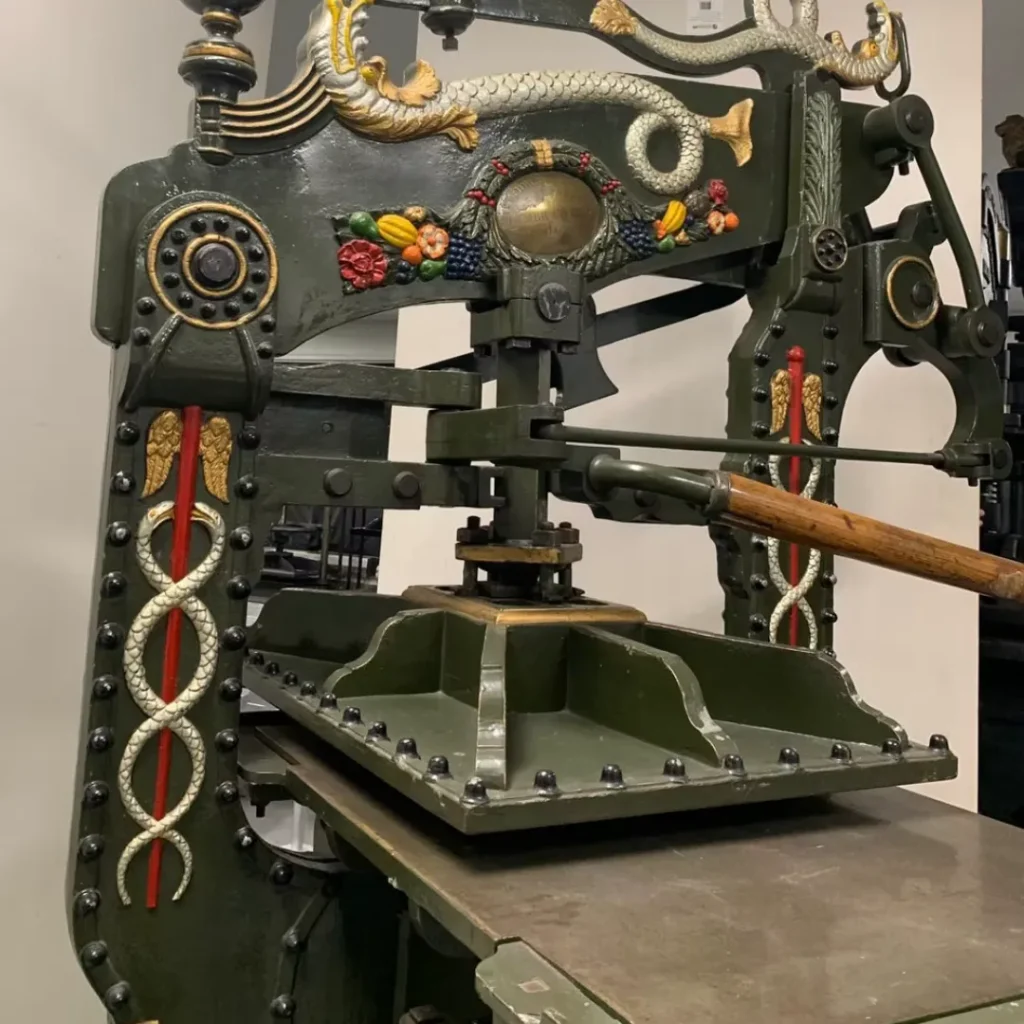
The process required skill and patience. Printers selected individual pieces of type, arranged them into words and lines, locked them into place, applied ink, and pressed paper against the prepared form. Every printed page began with careful planning, steady hands, and a deep understanding of spacing, alignment, and readability.
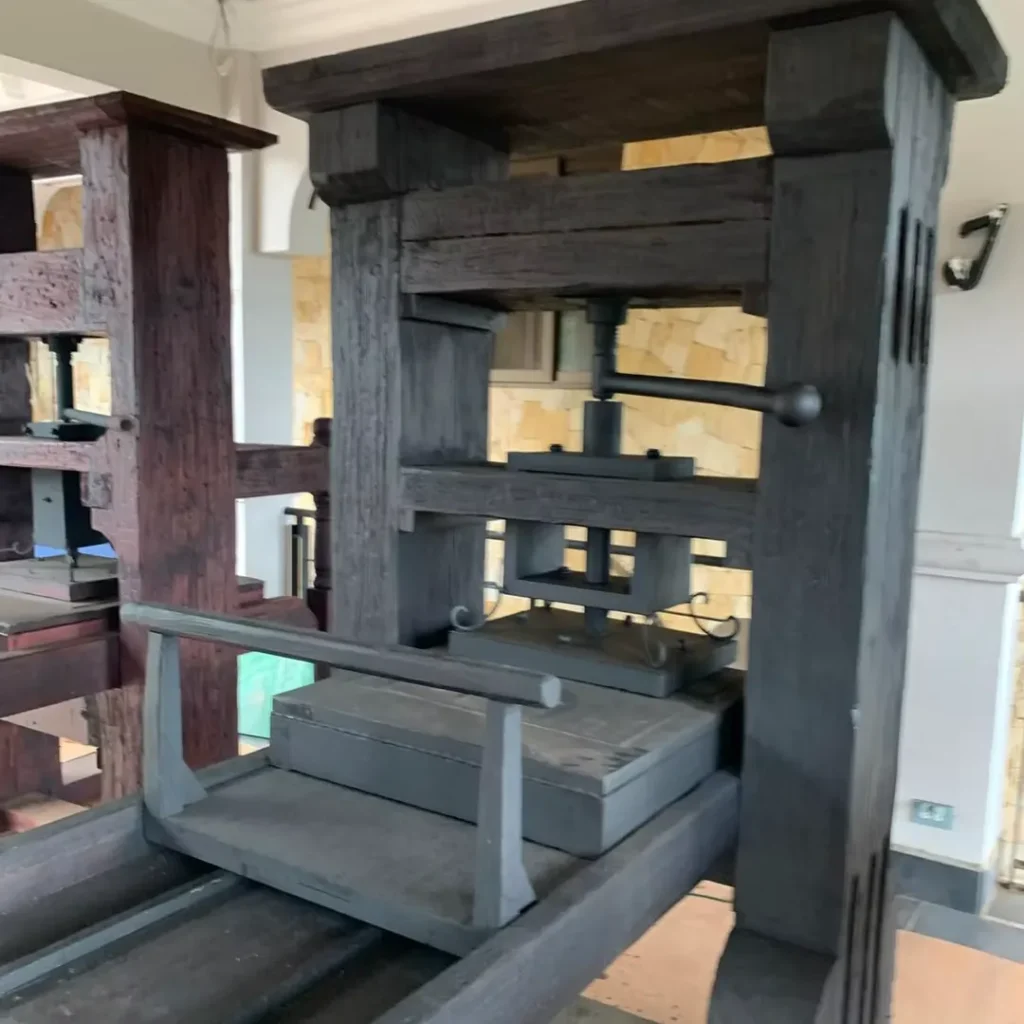
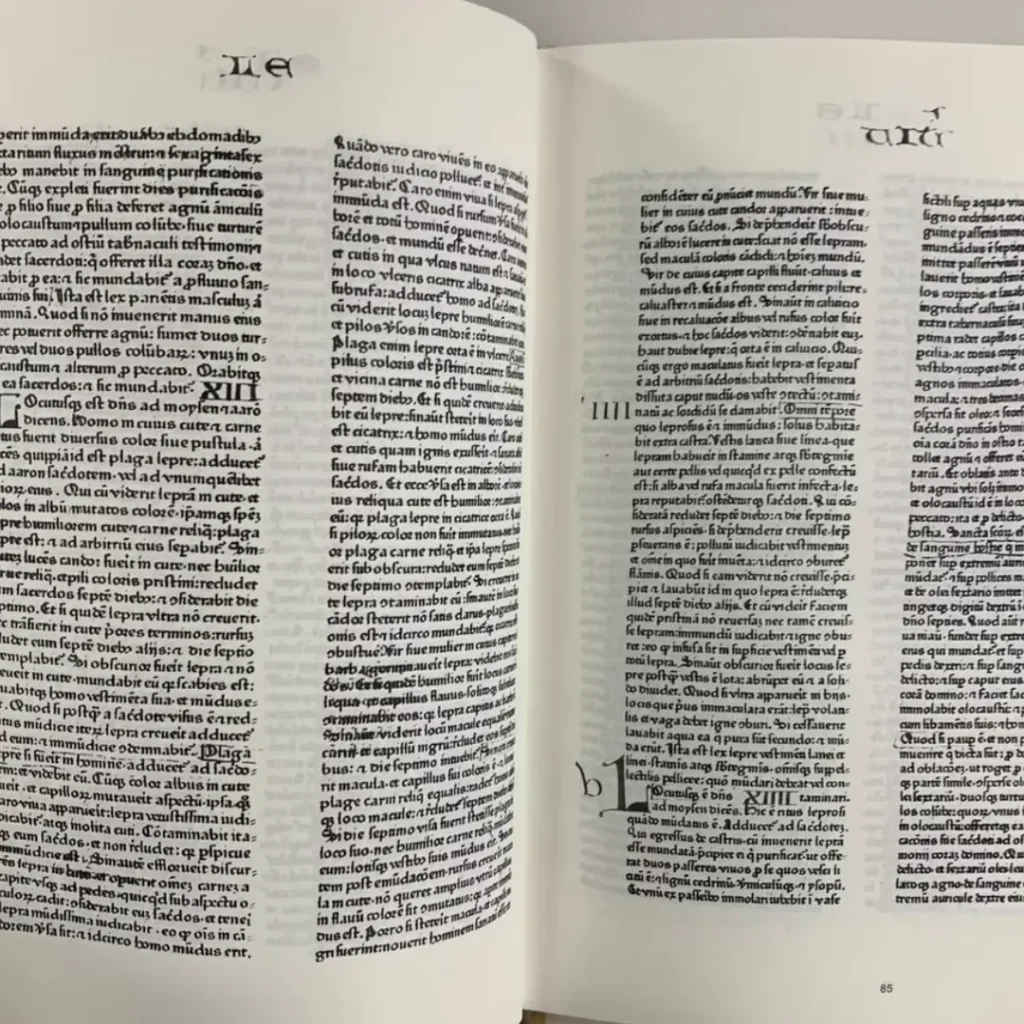
Movable type helped transform the spread of knowledge. Books, newspapers, pamphlets, posters, religious texts, scientific writings, and public notices could be produced more efficiently than ever before. As printed material became more available, ideas traveled farther and reached more people across communities and generations.
At Demers, Gutenberg, Franklin Museum, movable type gives visitors a close look at the building blocks of printed communication. Each small piece of type represents a larger story of craftsmanship, invention, literacy, and the human desire to preserve and share ideas through the printed word.
Gallery
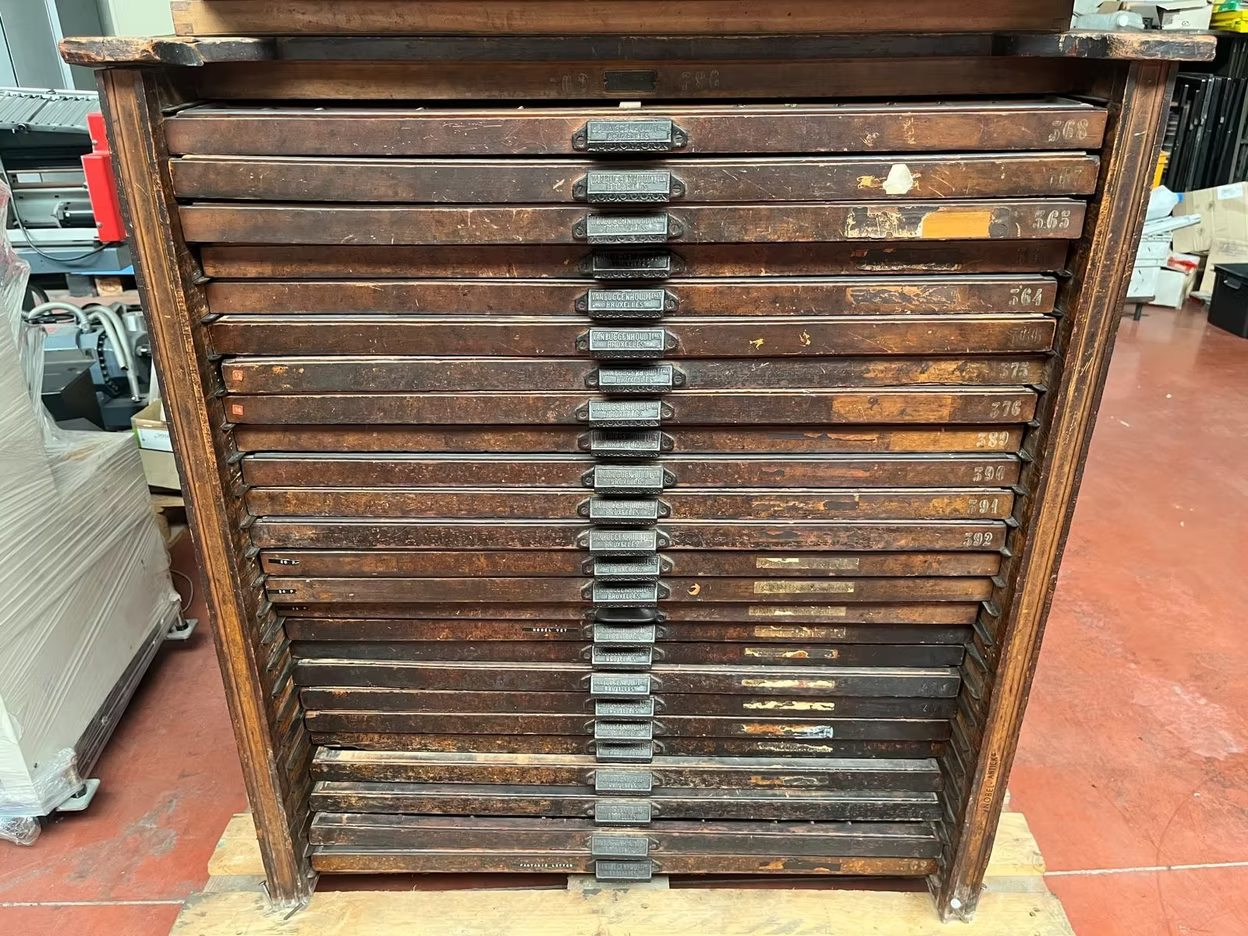
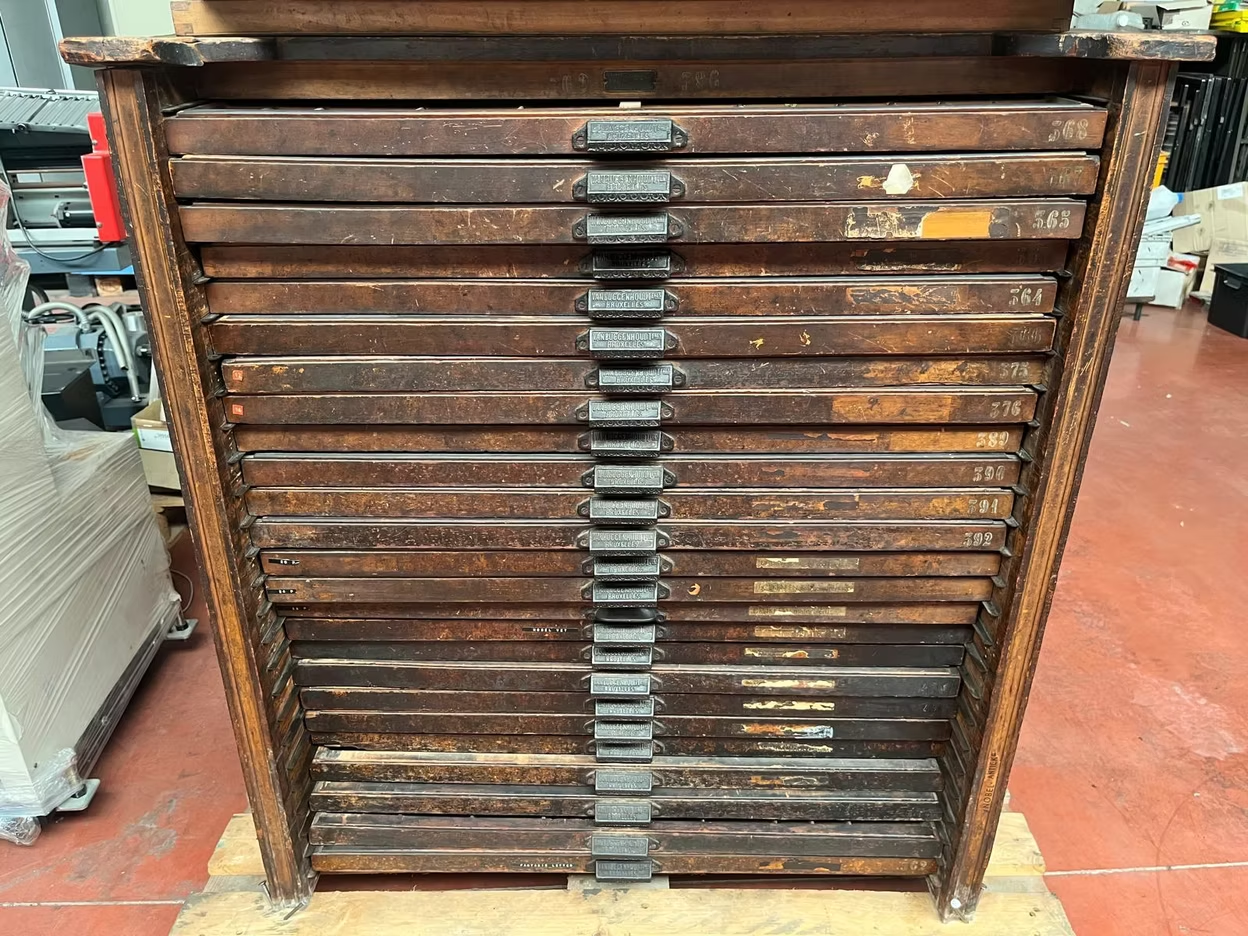
6-E-1 Vansuge type case , Bruxelles, Belgium
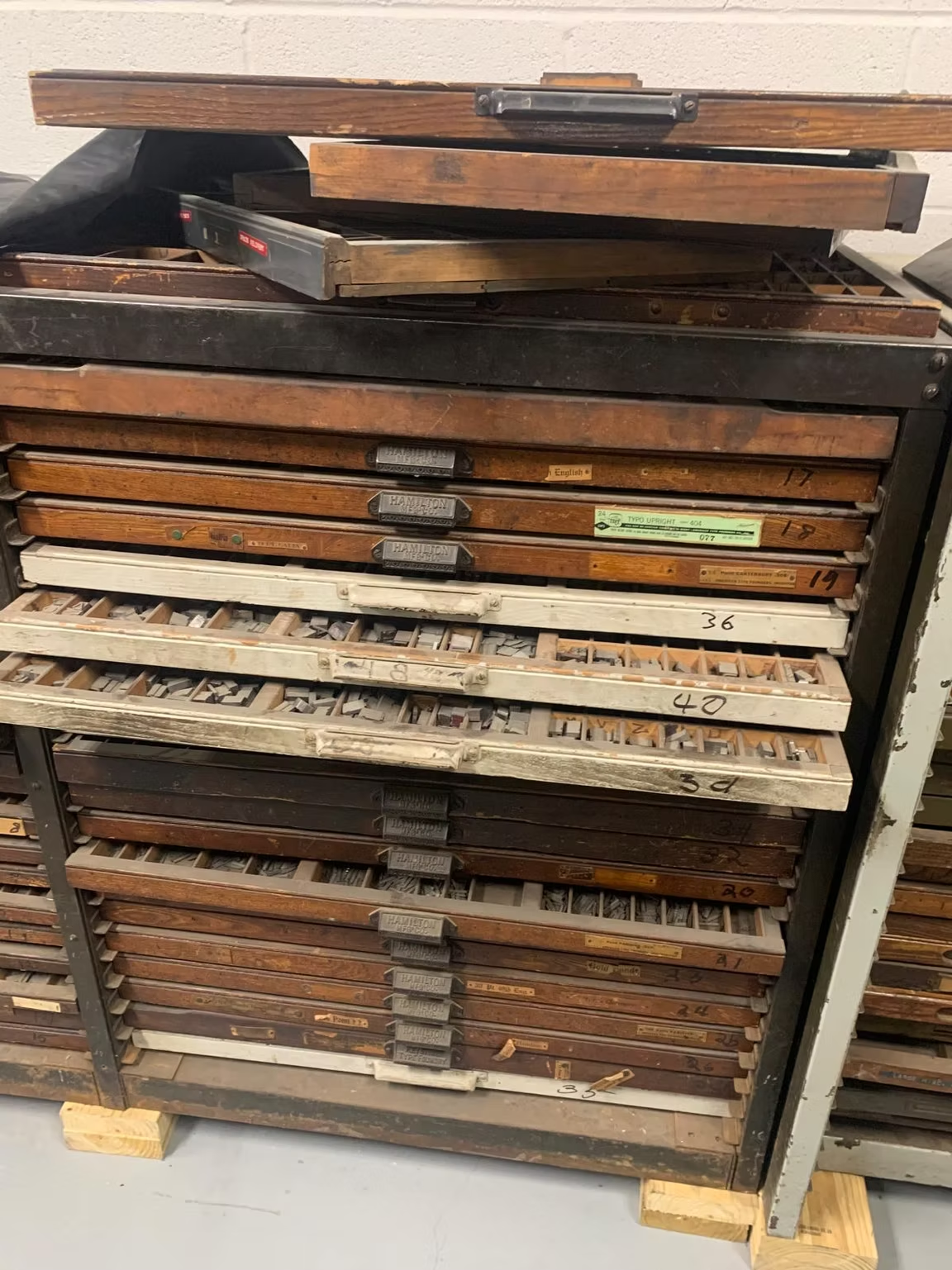
6-E-2 Hamilton Moveable Type Cases
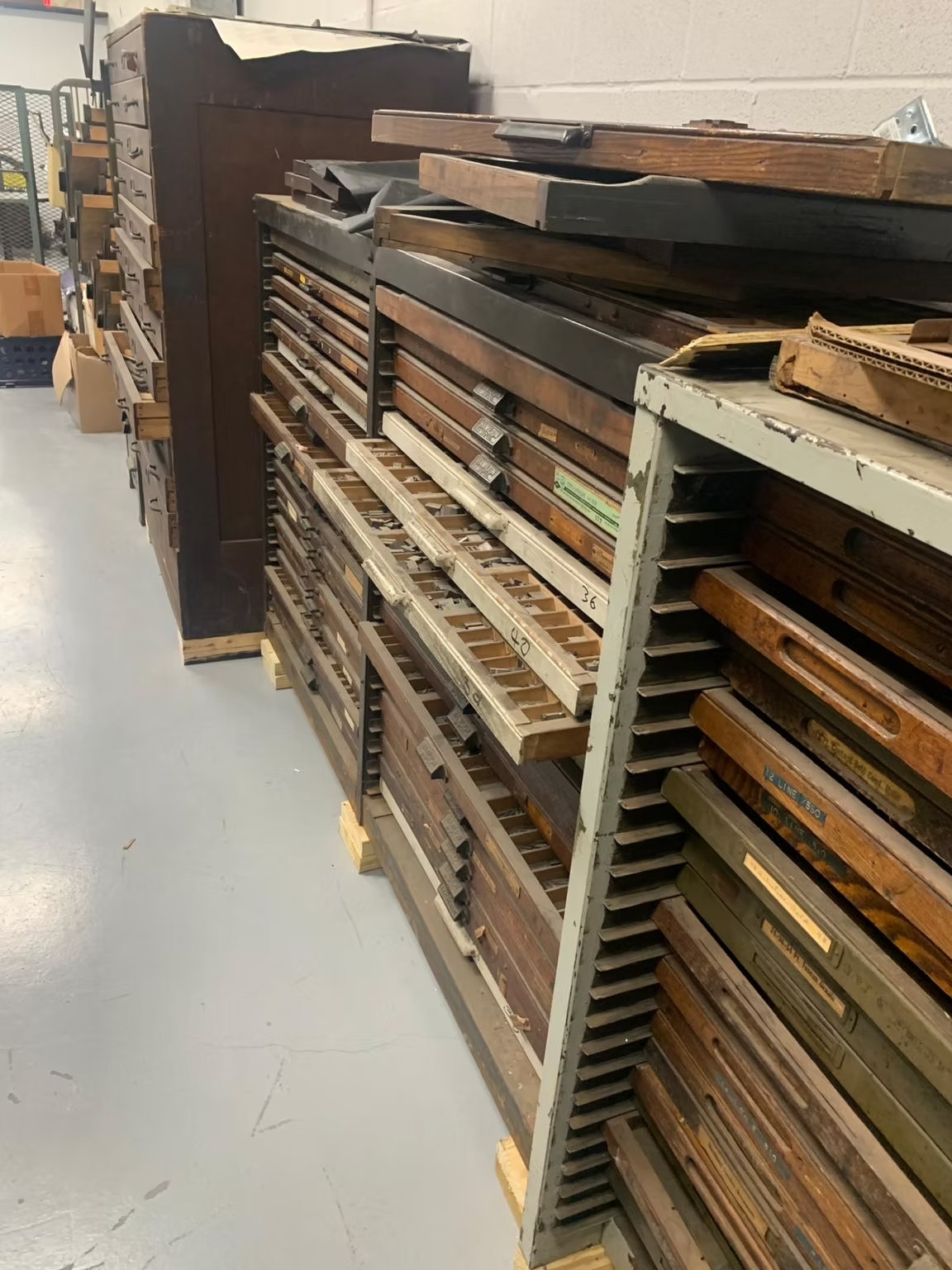
6-E-3 California Moveable Type Cases
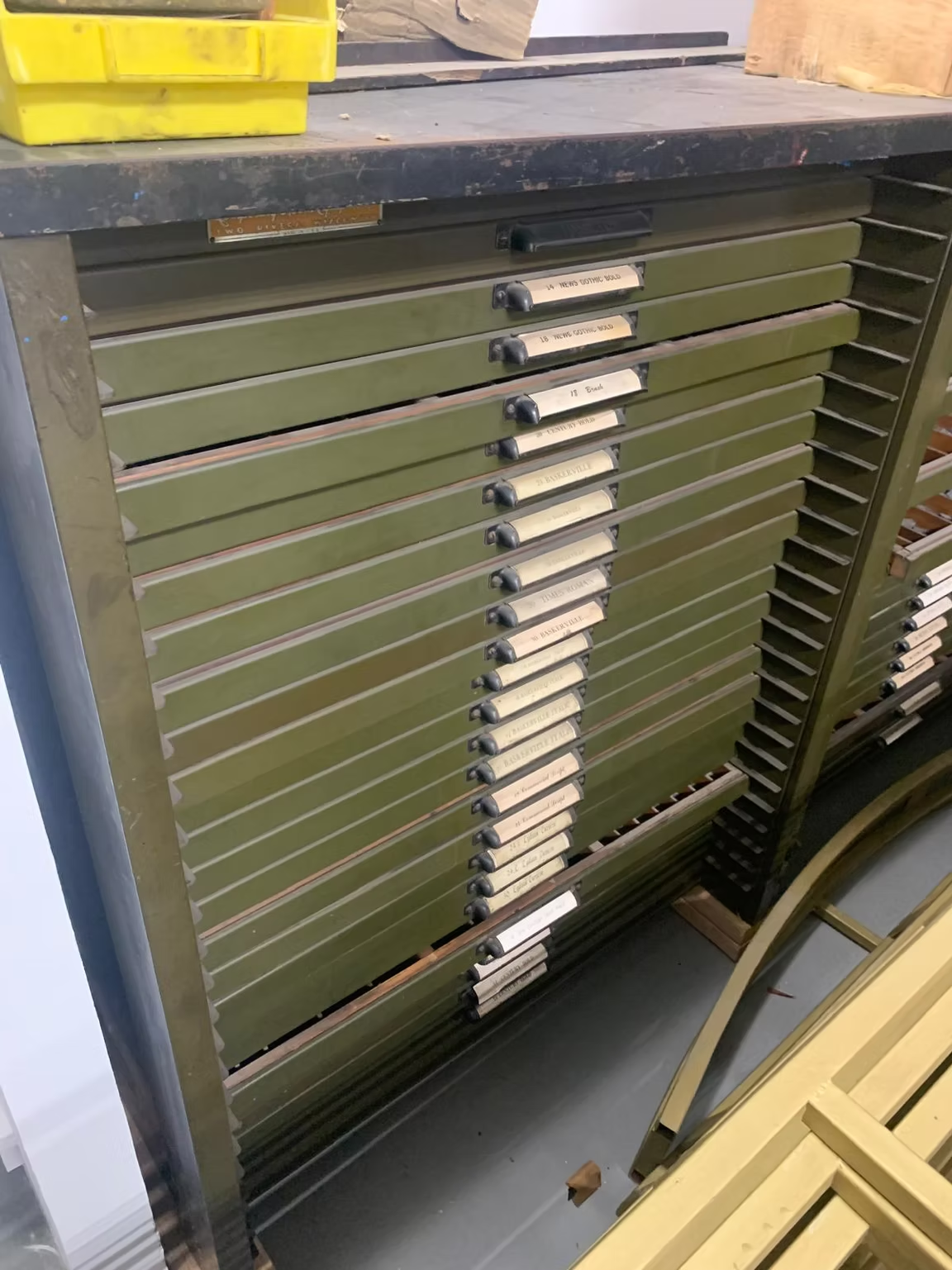
6-E-4 California Type Cases
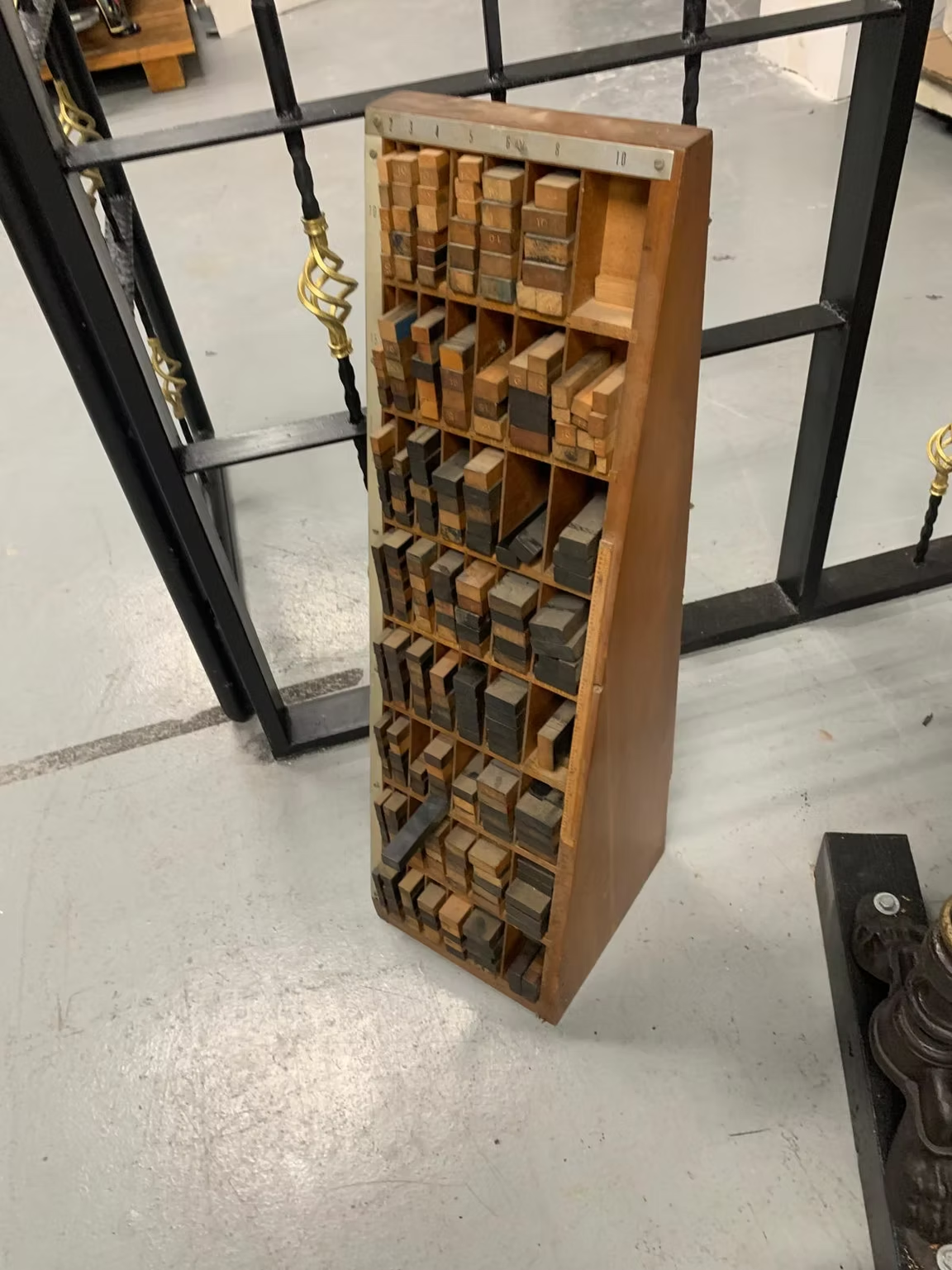
6-E-5 Wood Furniture