


J- Early Bindery
Early Bindery
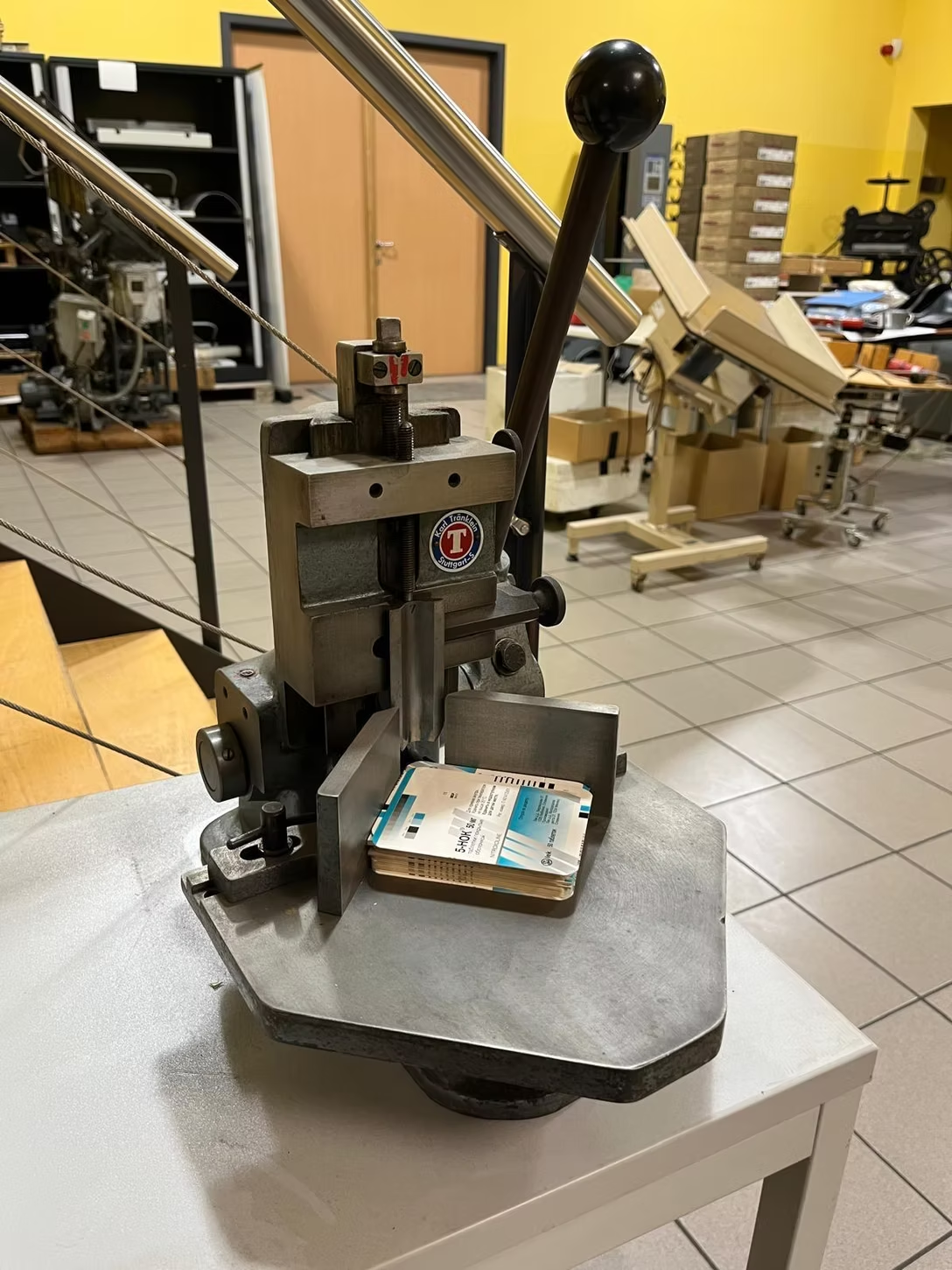
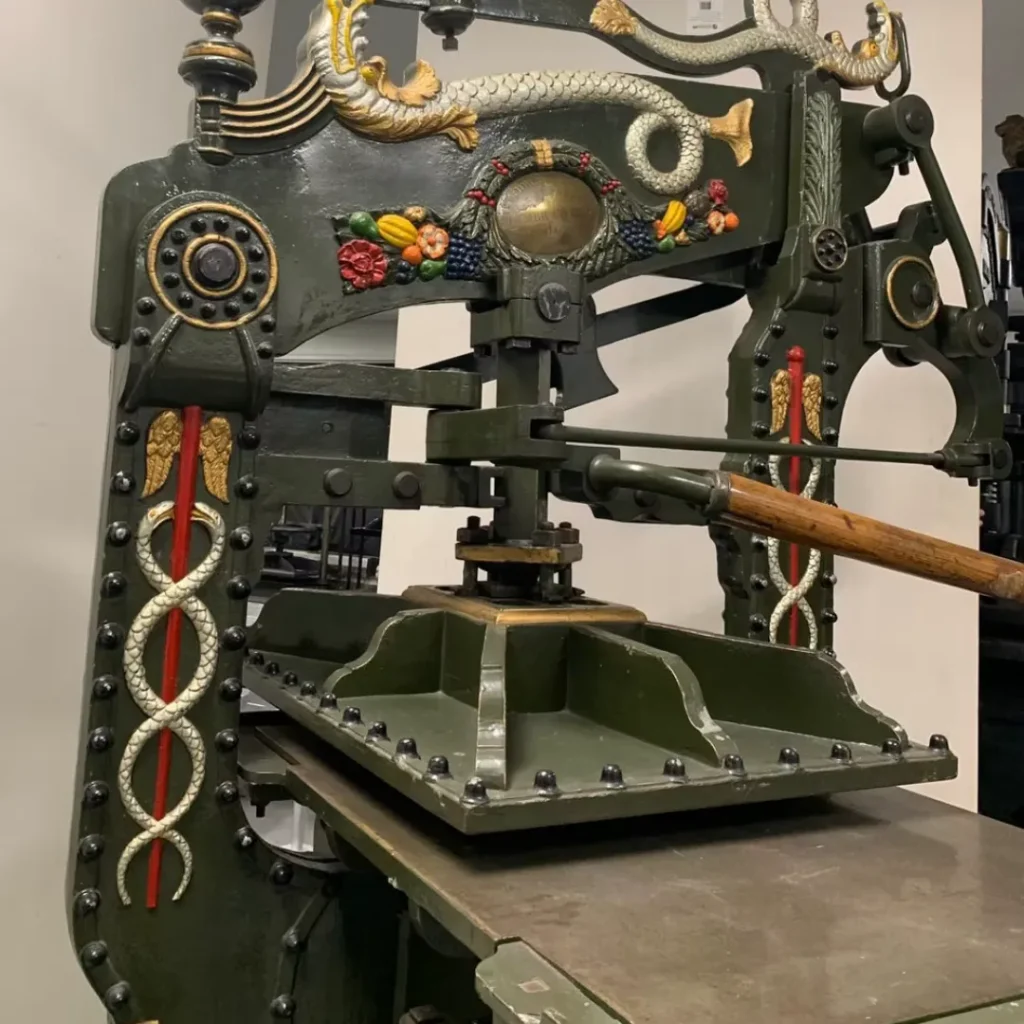
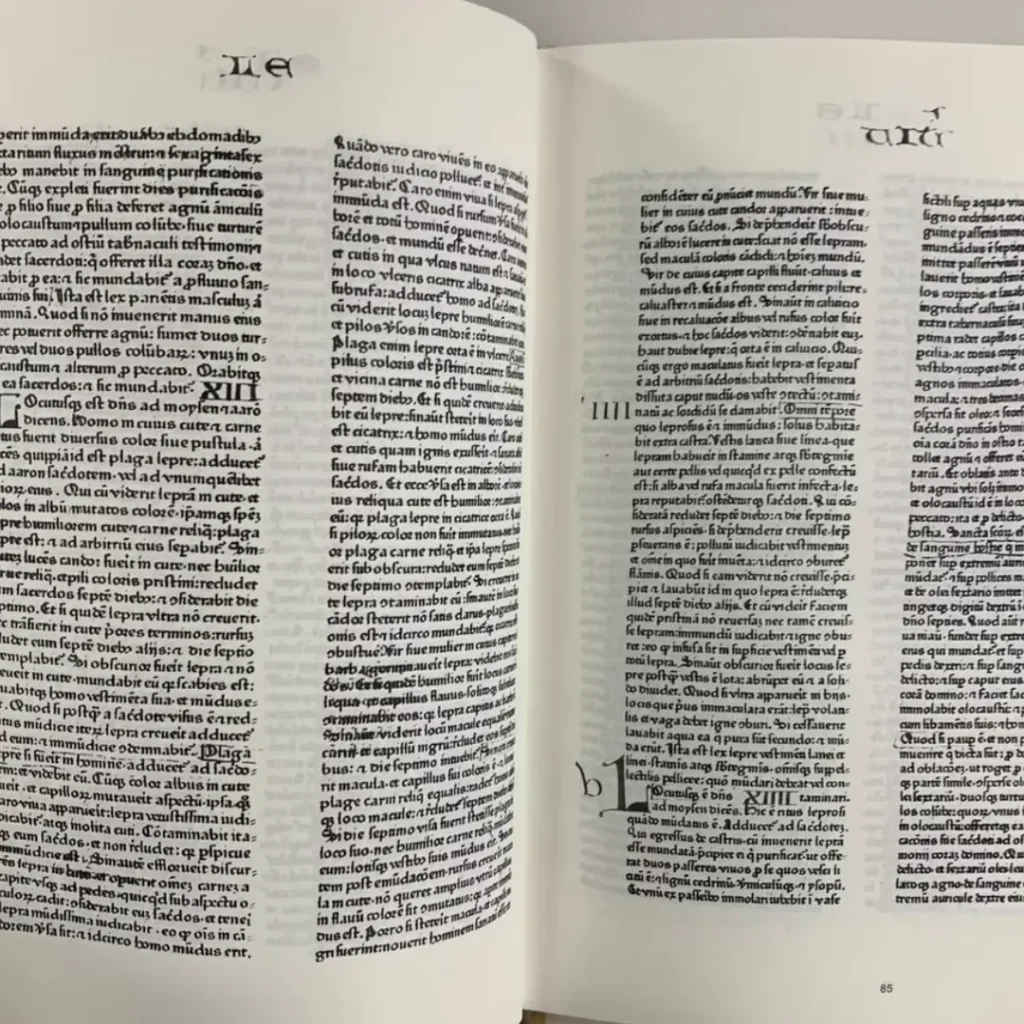
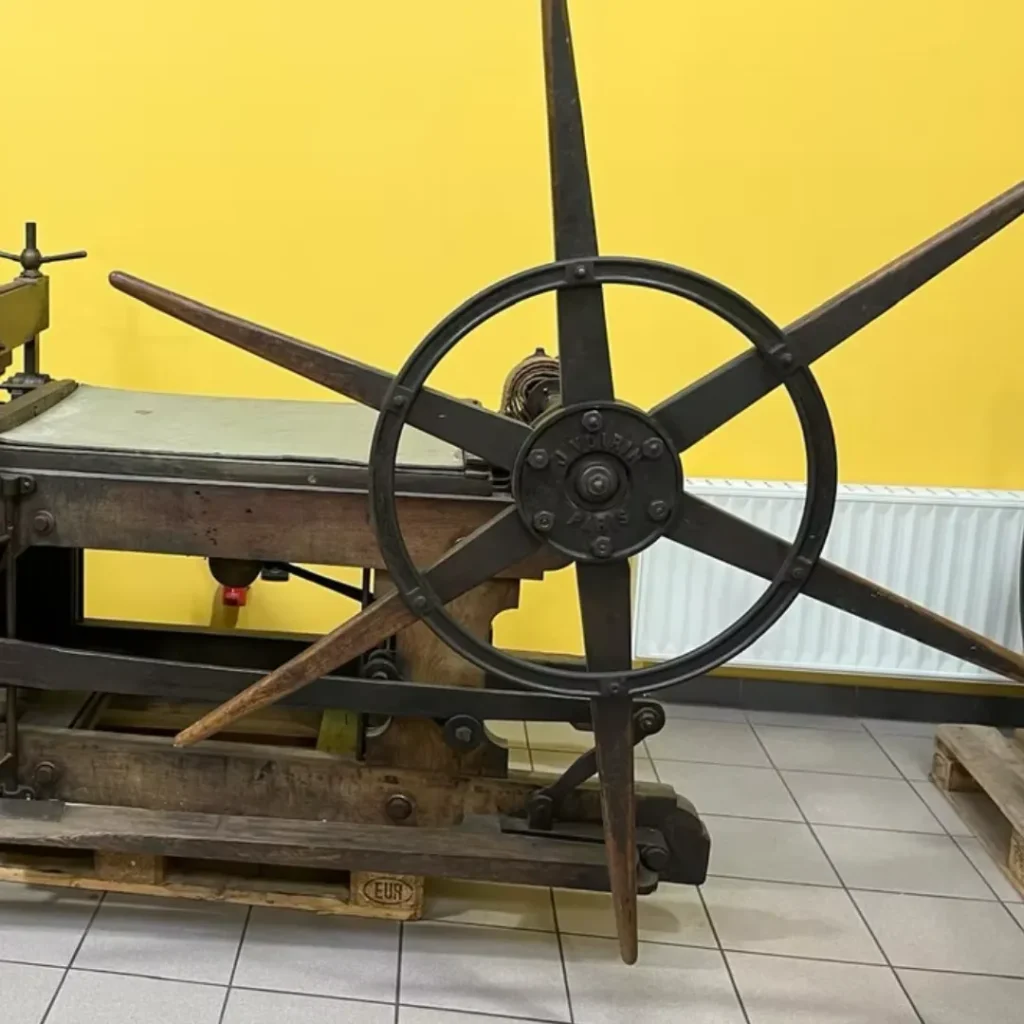
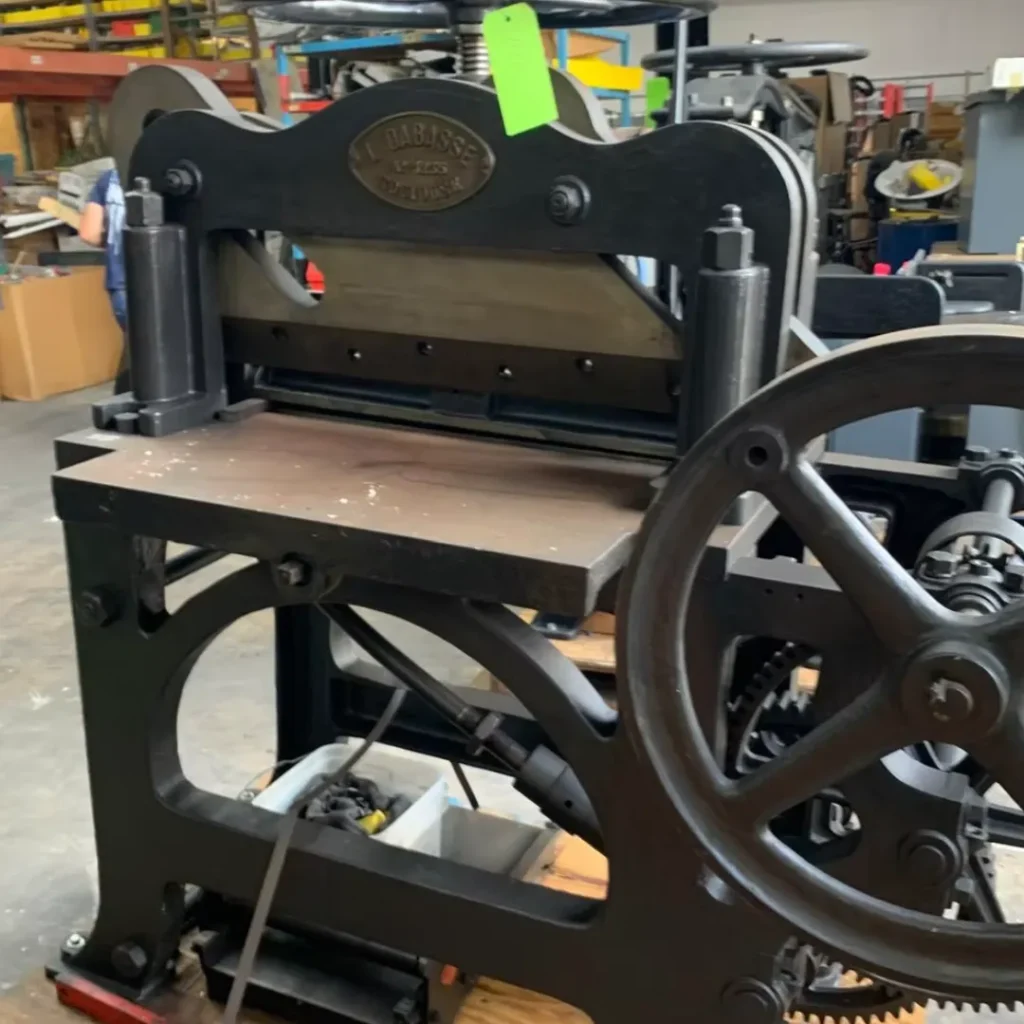
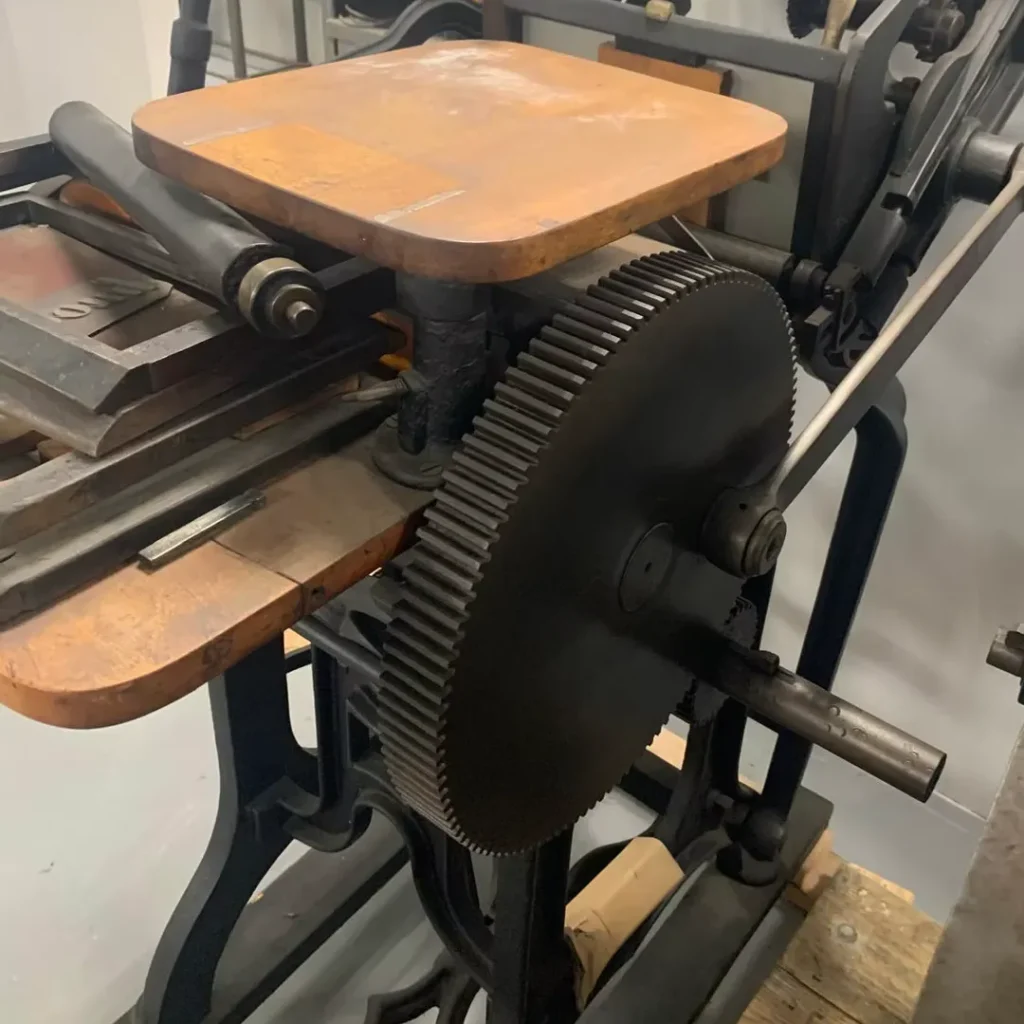
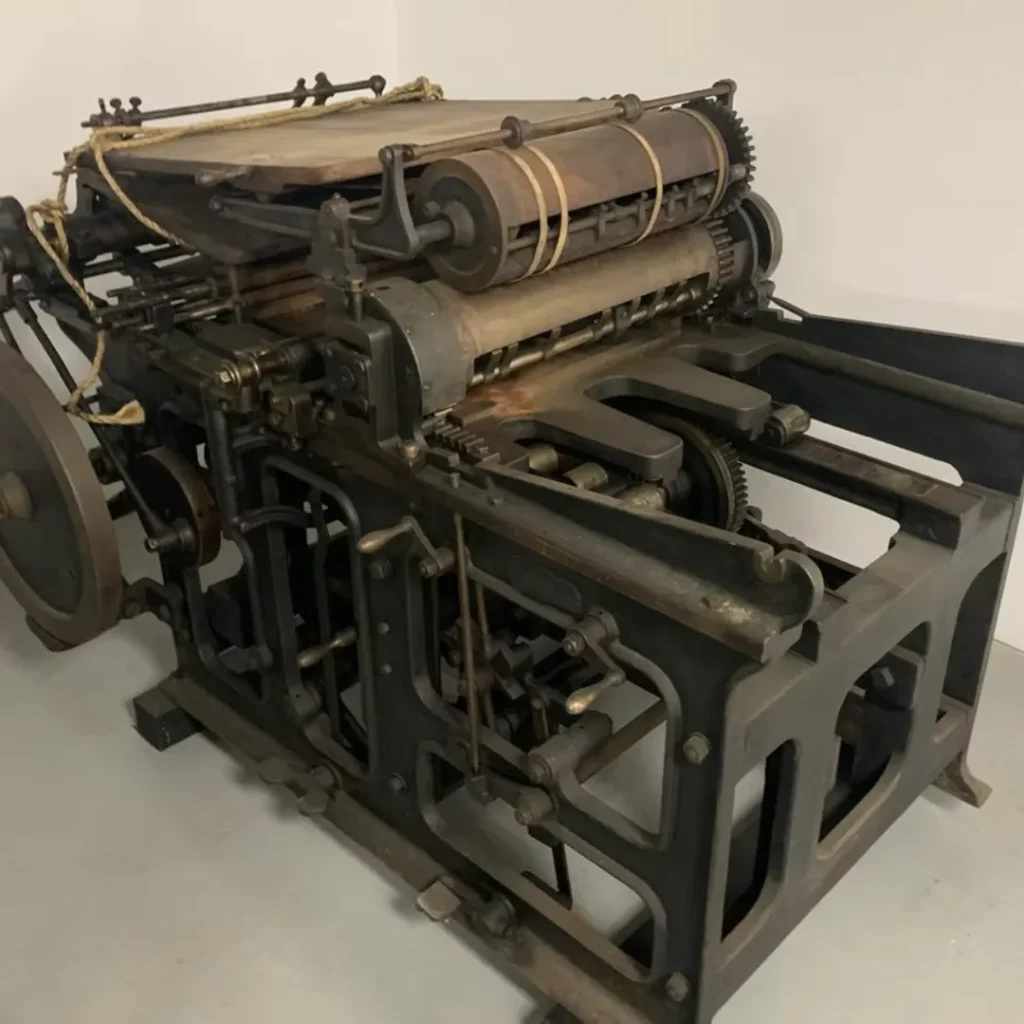
Early bindery equipment represents the important final stages of the printing process. After words and images were printed onto paper, the sheets often needed to be folded, gathered, pressed, stitched, trimmed, glued, or bound into a finished piece. Bindery work turned printed pages into books, booklets, ledgers, catalogs, and durable materials made to be used and preserved.
The bindery required patience, precision, and skilled hands. Printers and binders had to make sure pages were in the correct order, edges were aligned, folds were clean, and covers were properly attached. A well-bound piece was not only more attractive, but also stronger and easier to read, store, carry, and share.
Early bindery tools supported many types of printed communication. Books, newspapers, pamphlets, journals, church materials, business records, schoolbooks, and community publications all depended on careful finishing. Without bindery work, many printed pages would have remained loose sheets instead of lasting objects.
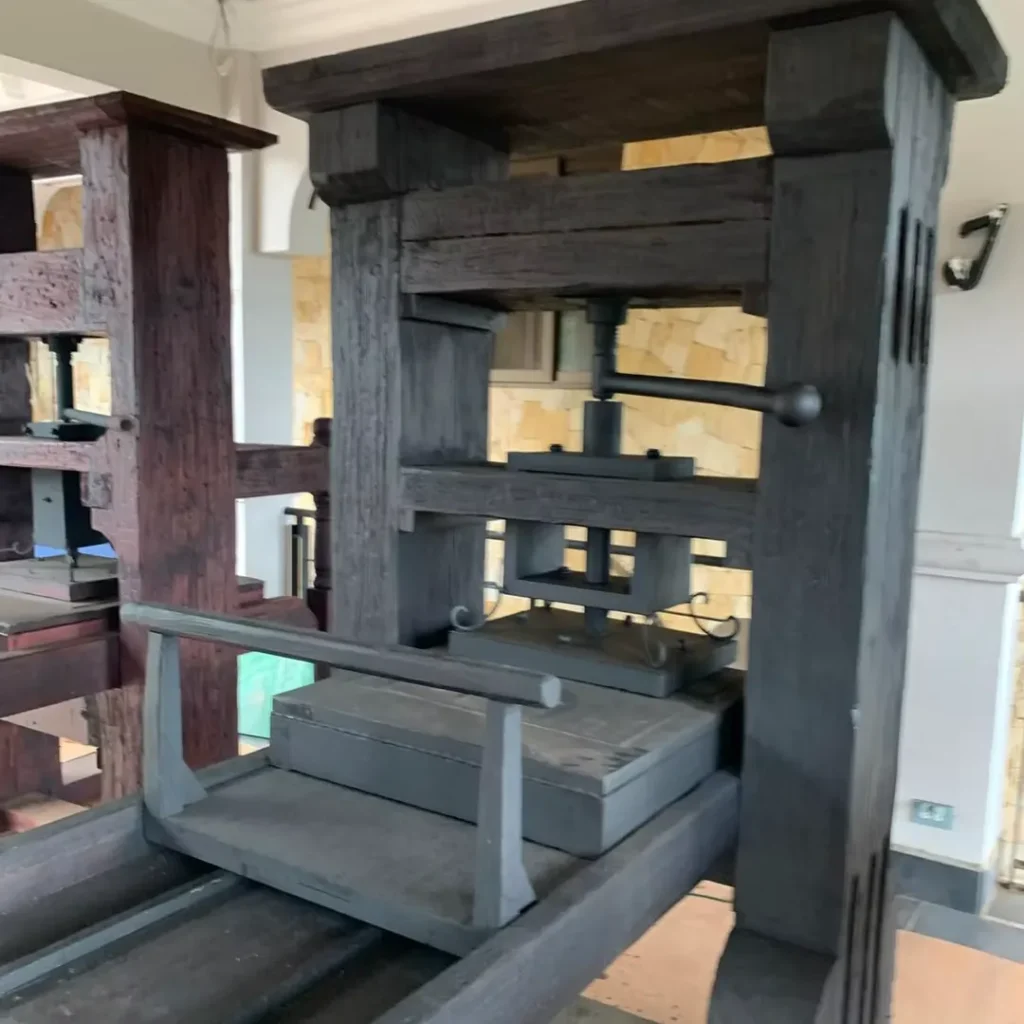
At Demers, Gutenberg, Franklin Museum, the Early Bindery collection helps visitors understand that printing history did not end at the press. Binding, trimming, folding, and finishing were essential parts of the craft, preserving printed words and helping them survive for generations.
Gallery
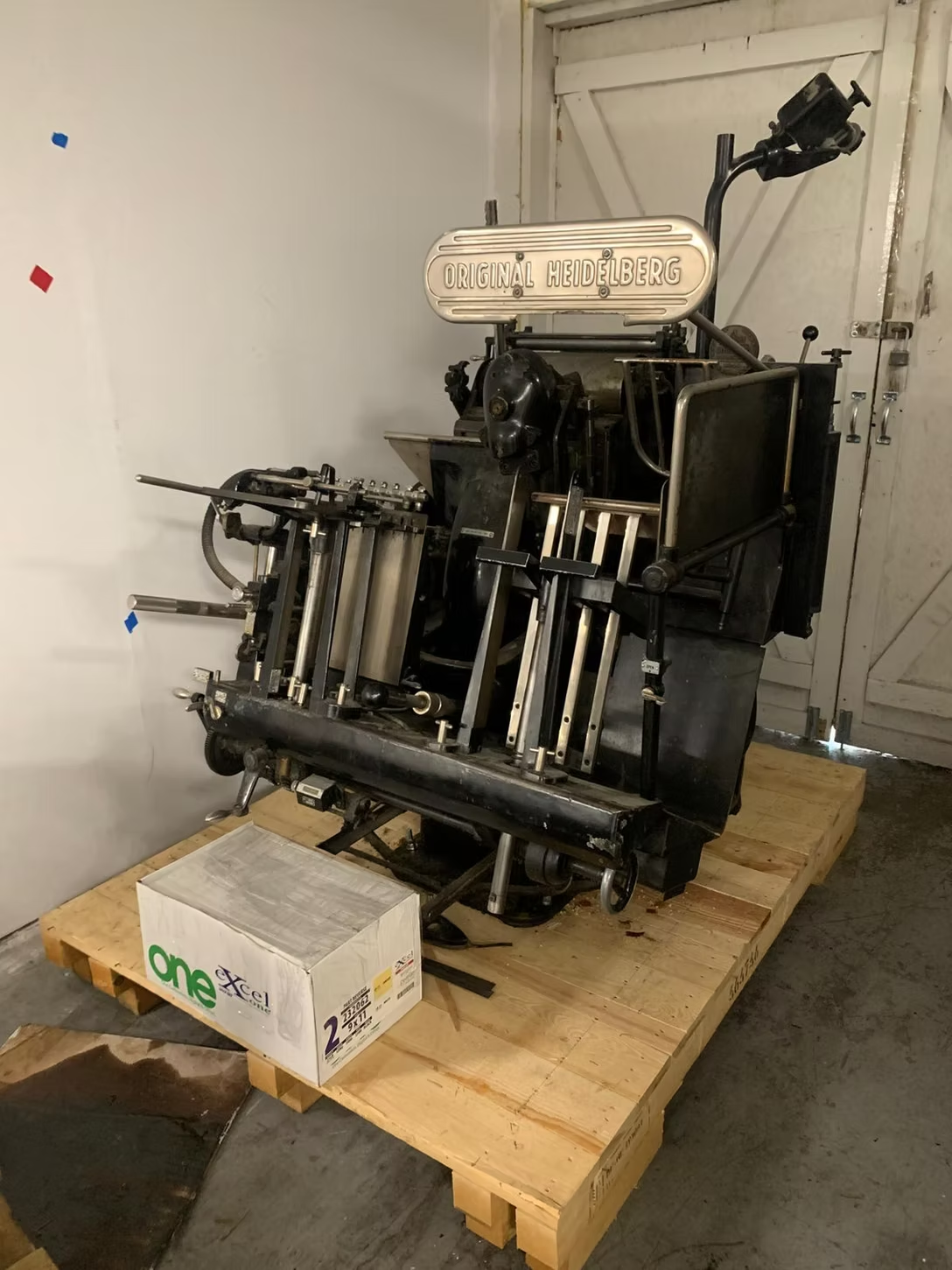
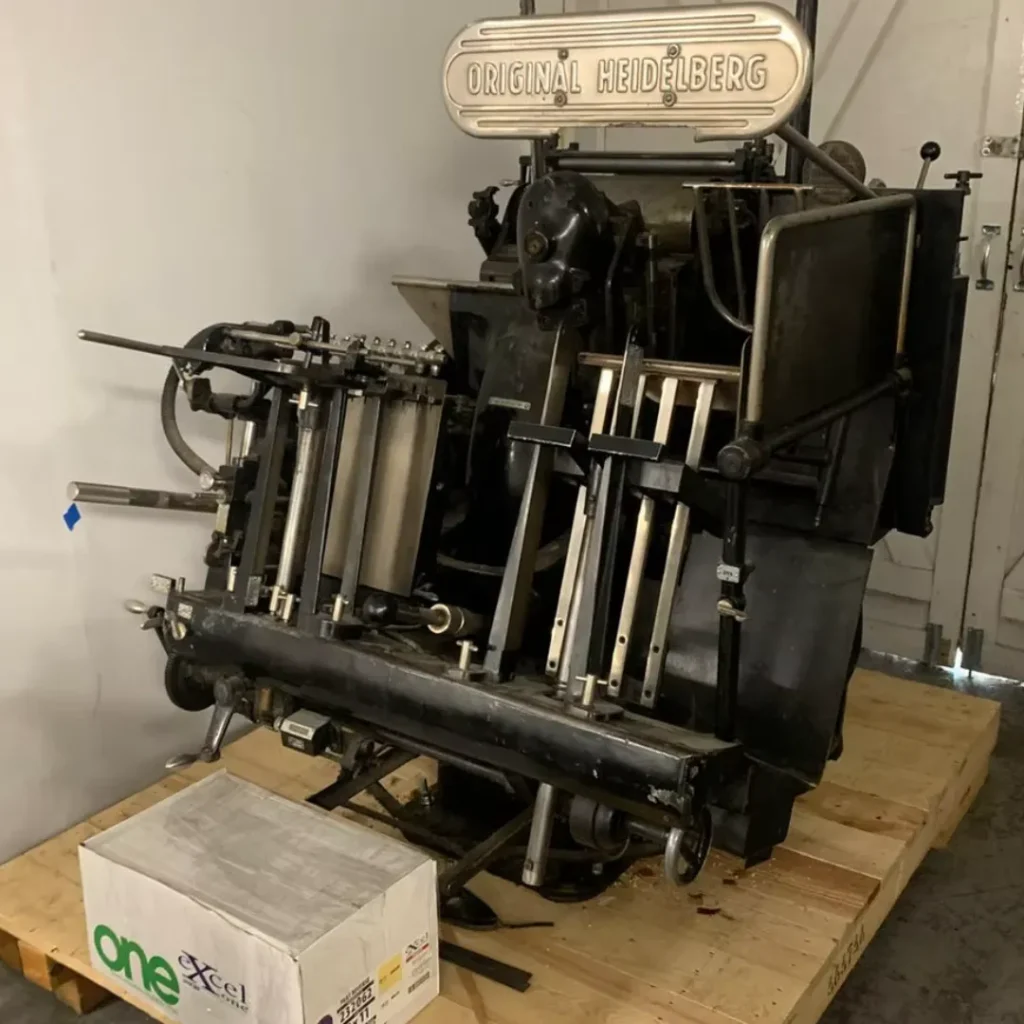
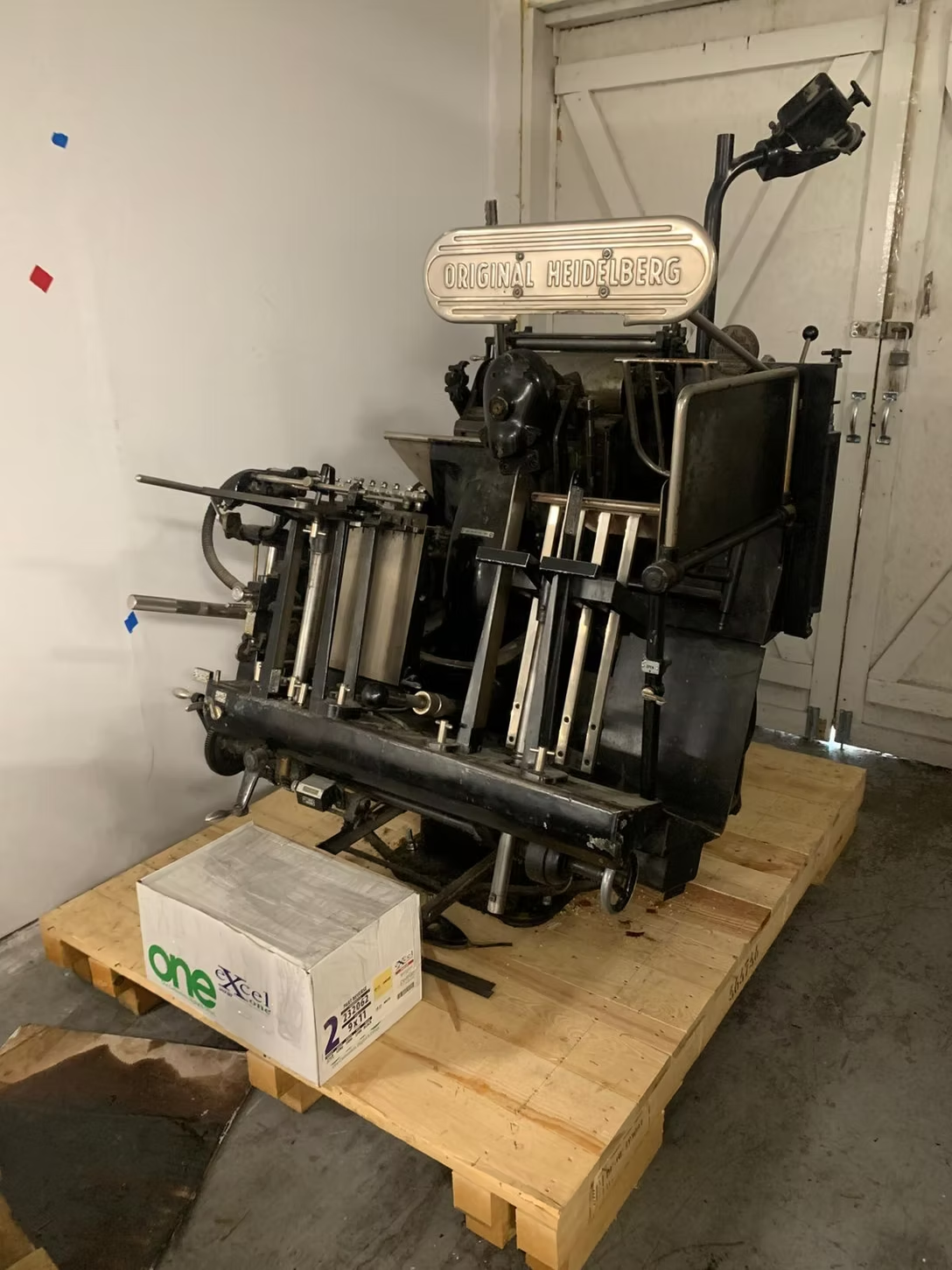
6-J-1 1961 , Heidelberg windmill 10×15 , black handle , numbering , printing , scoring , die cutting , embossing , foiling .
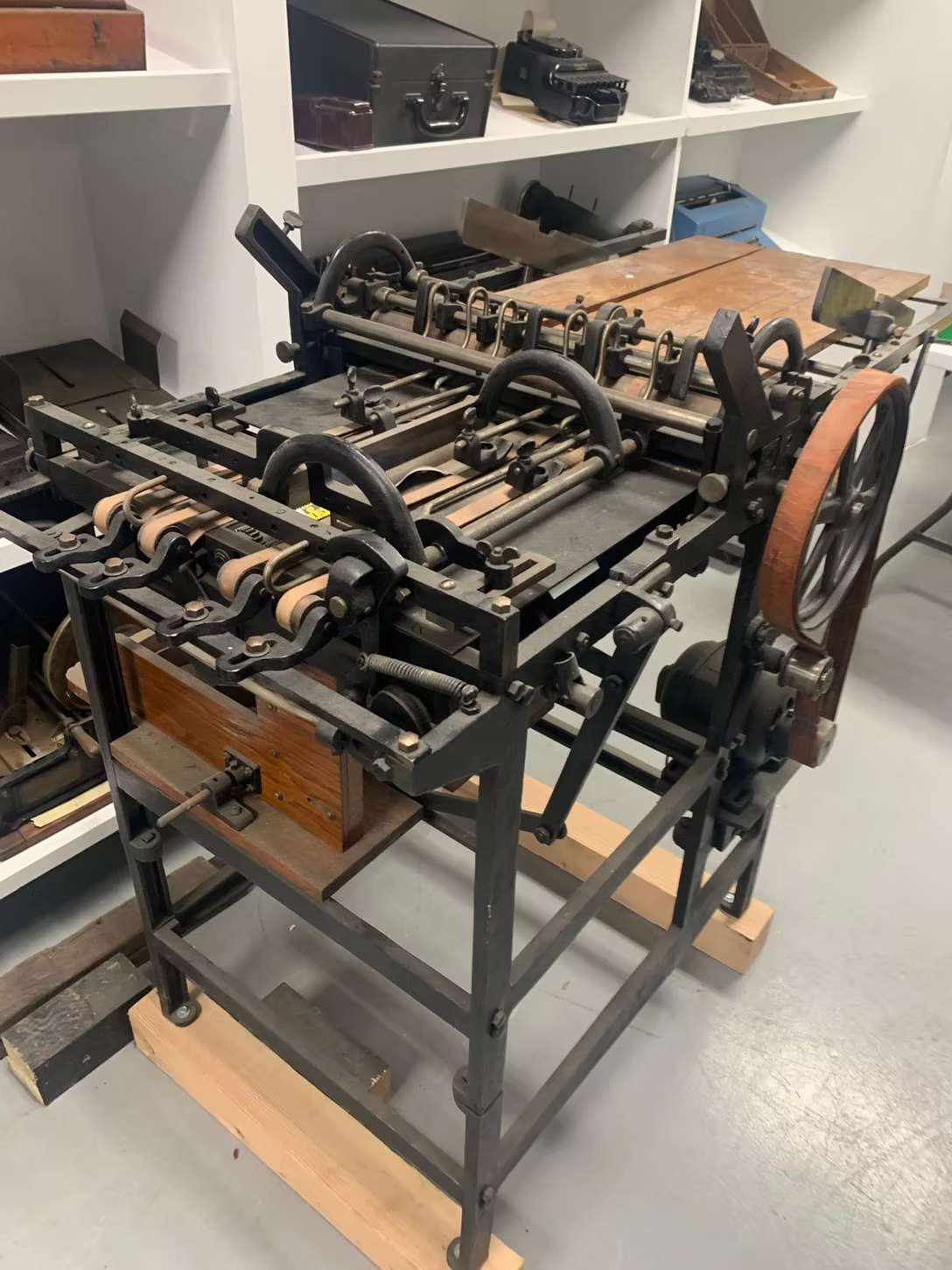
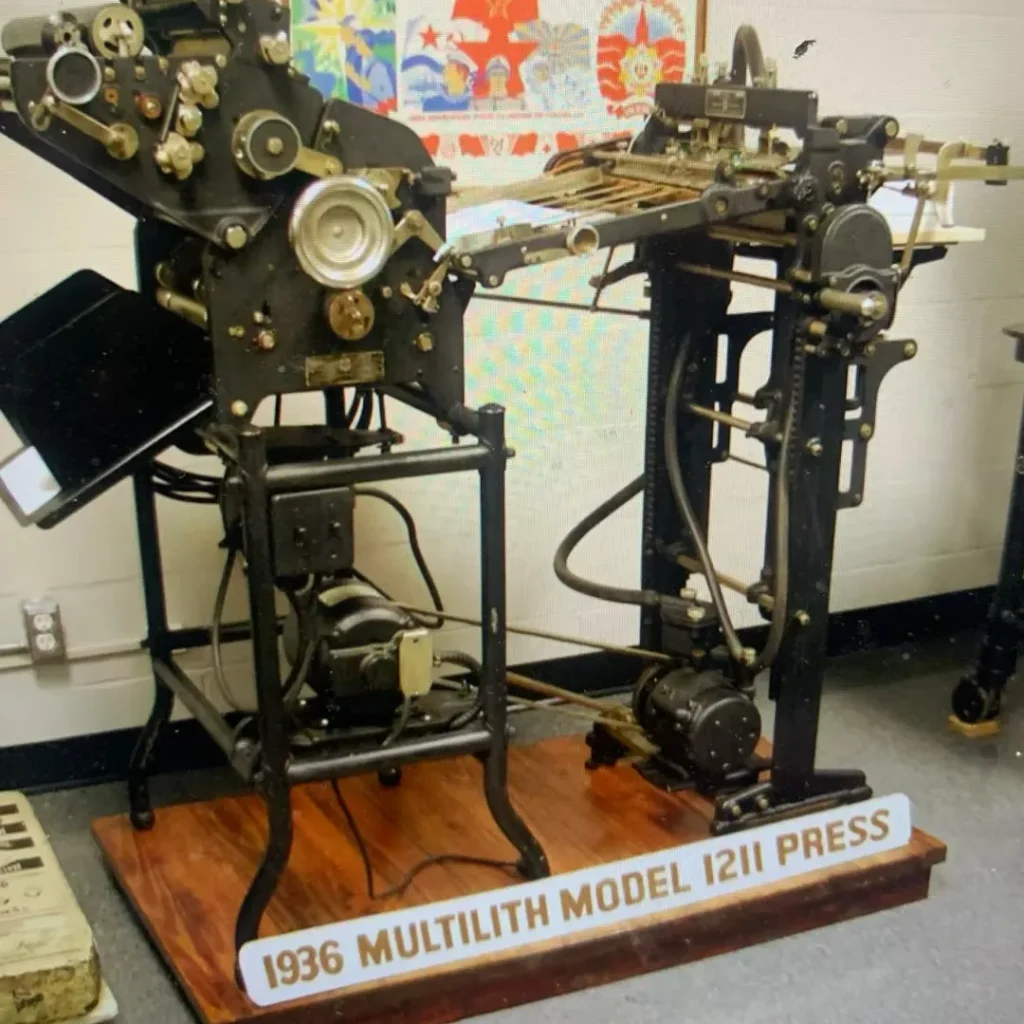
6-J-2 1957, motorized paper folder , knife fold , auto feed
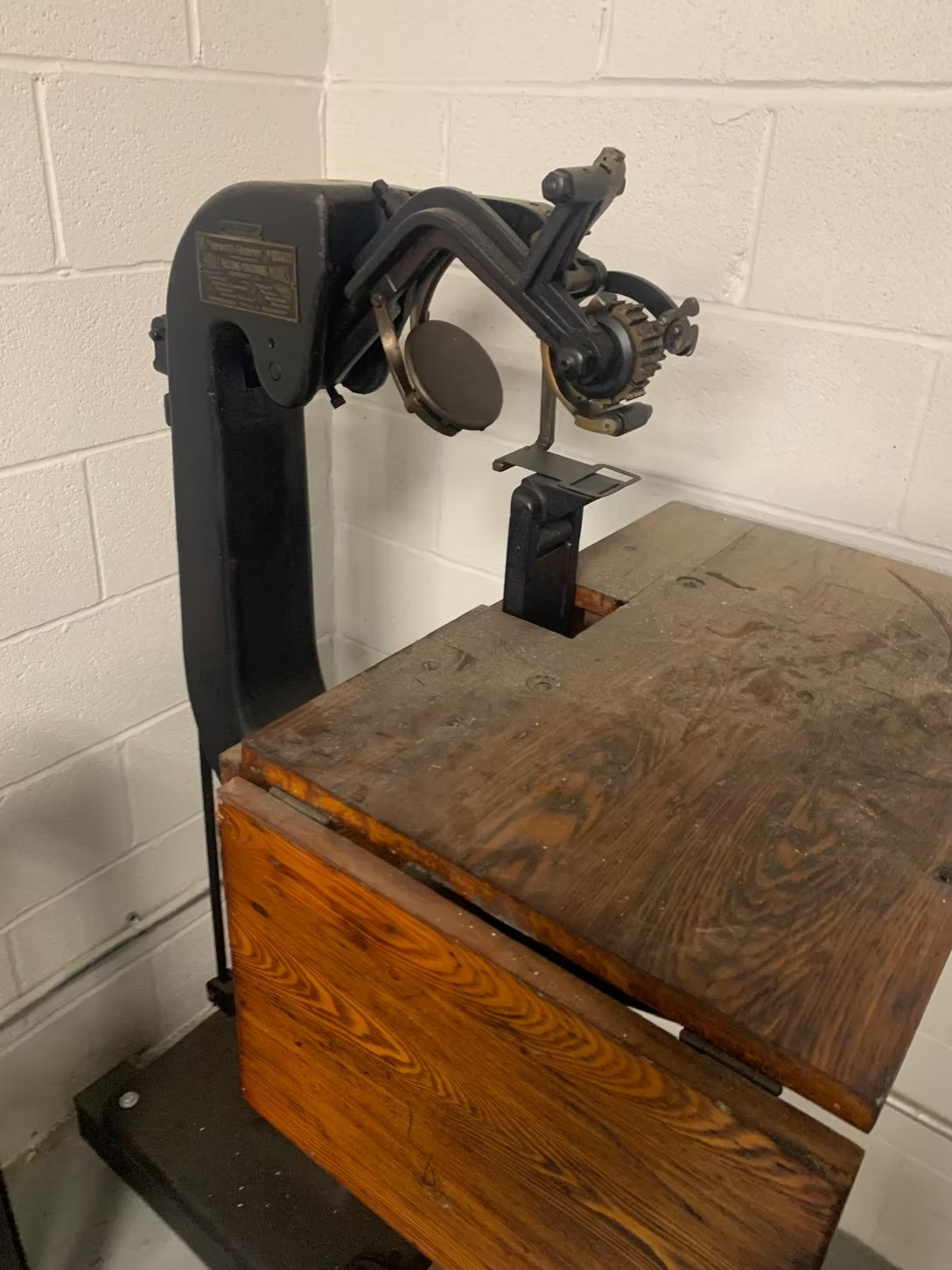
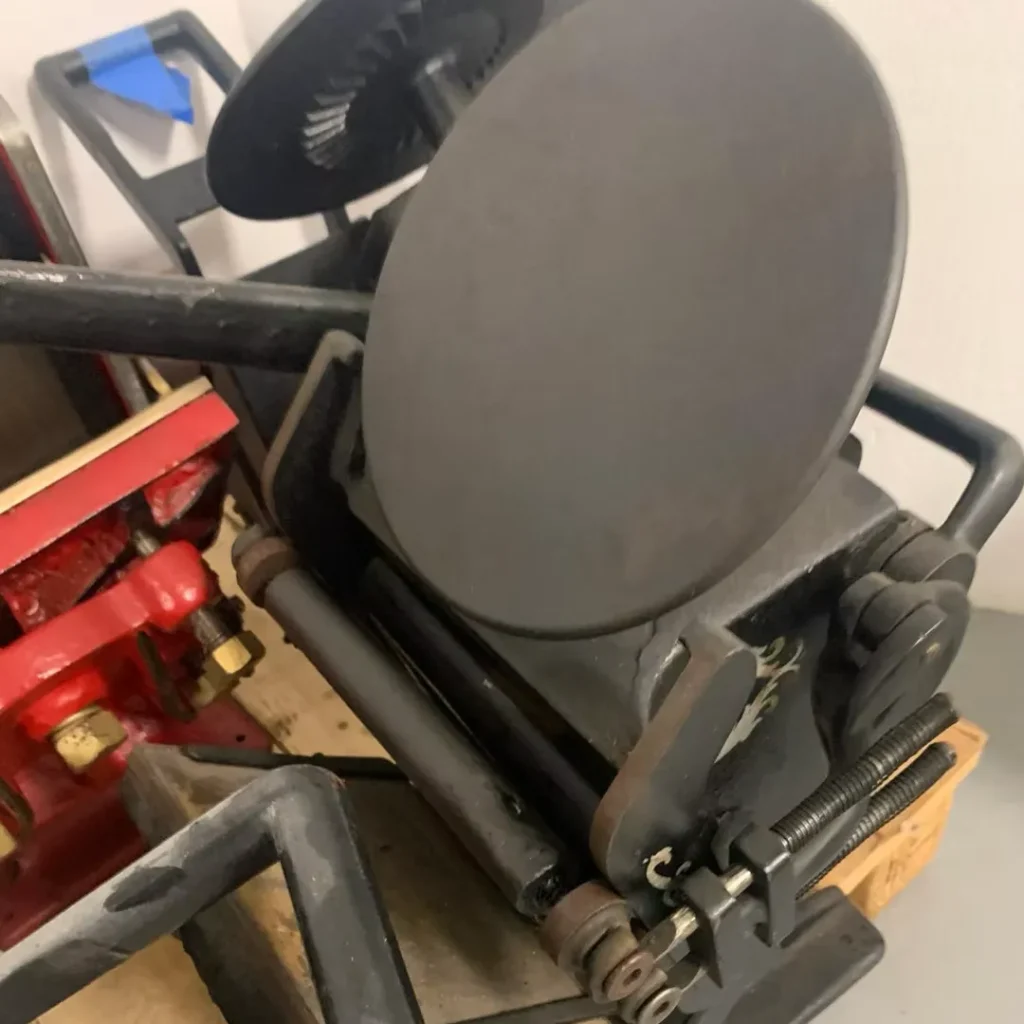
6-J-3 Cerca peddle operated numbering im printwr. Self inking ,1-1000
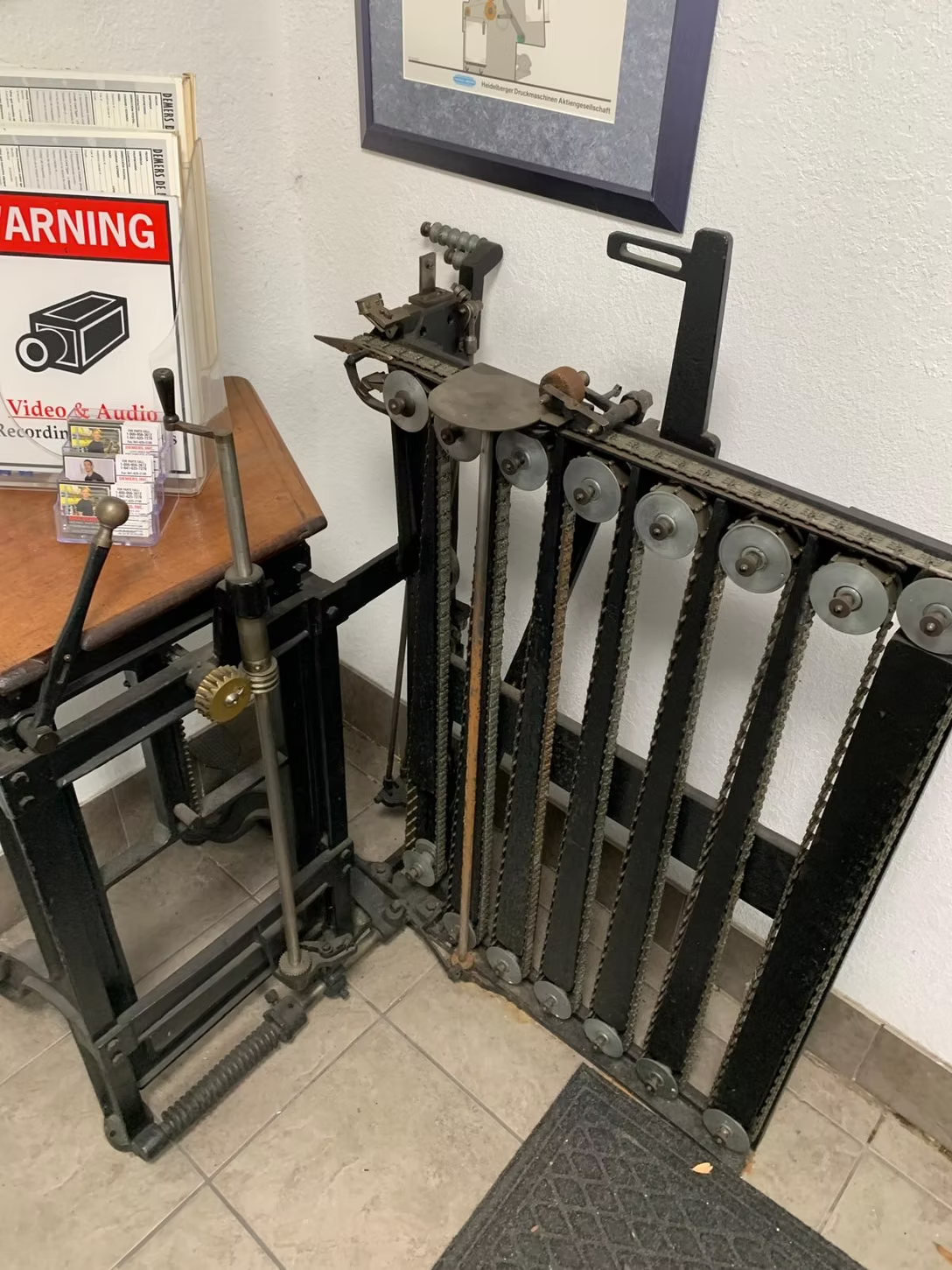
6-J-4 1890 , foot Operated consecutive numbering , self Inking . 1-240
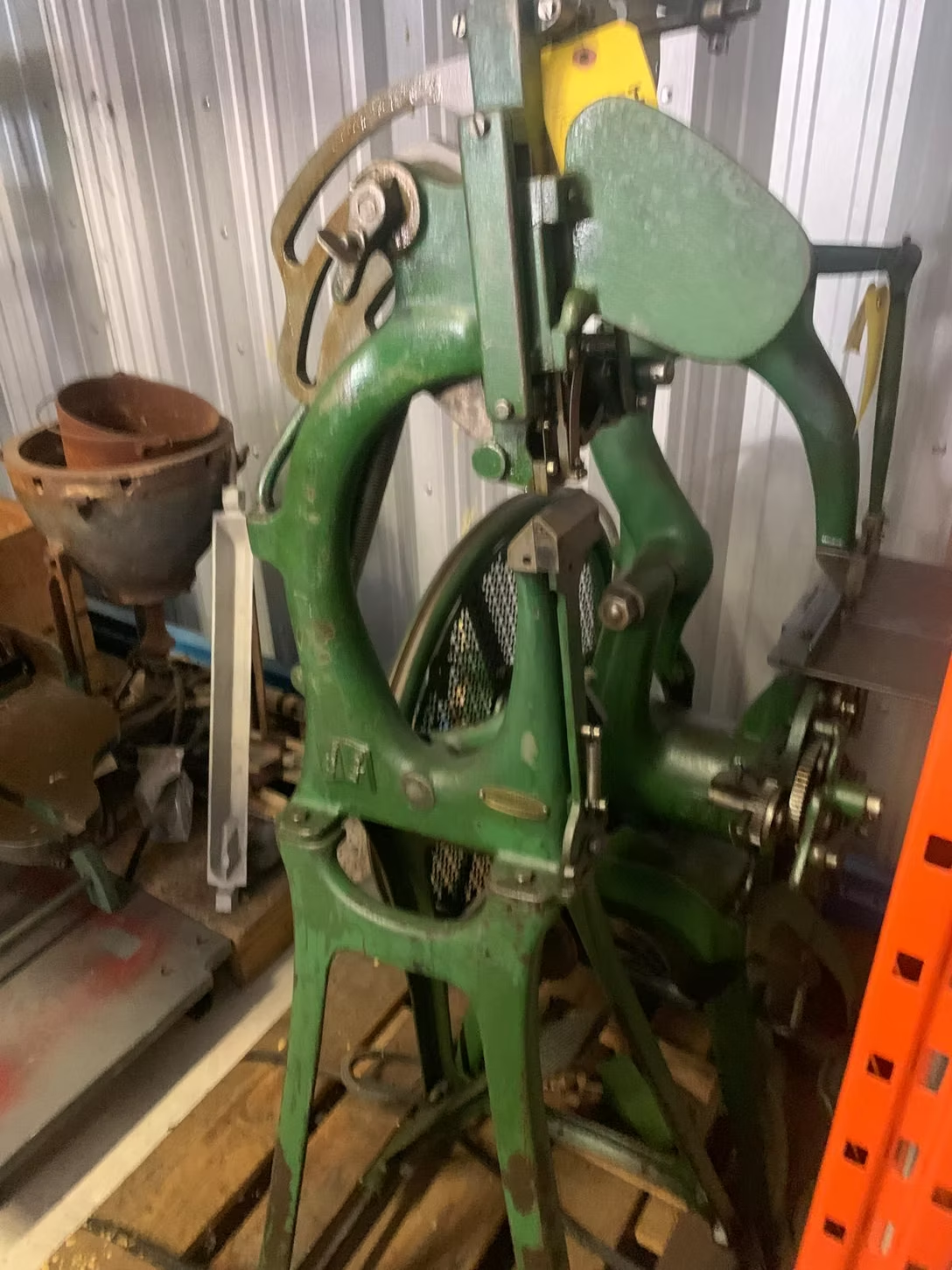
6-J-5 1918, Germán stitcher electric
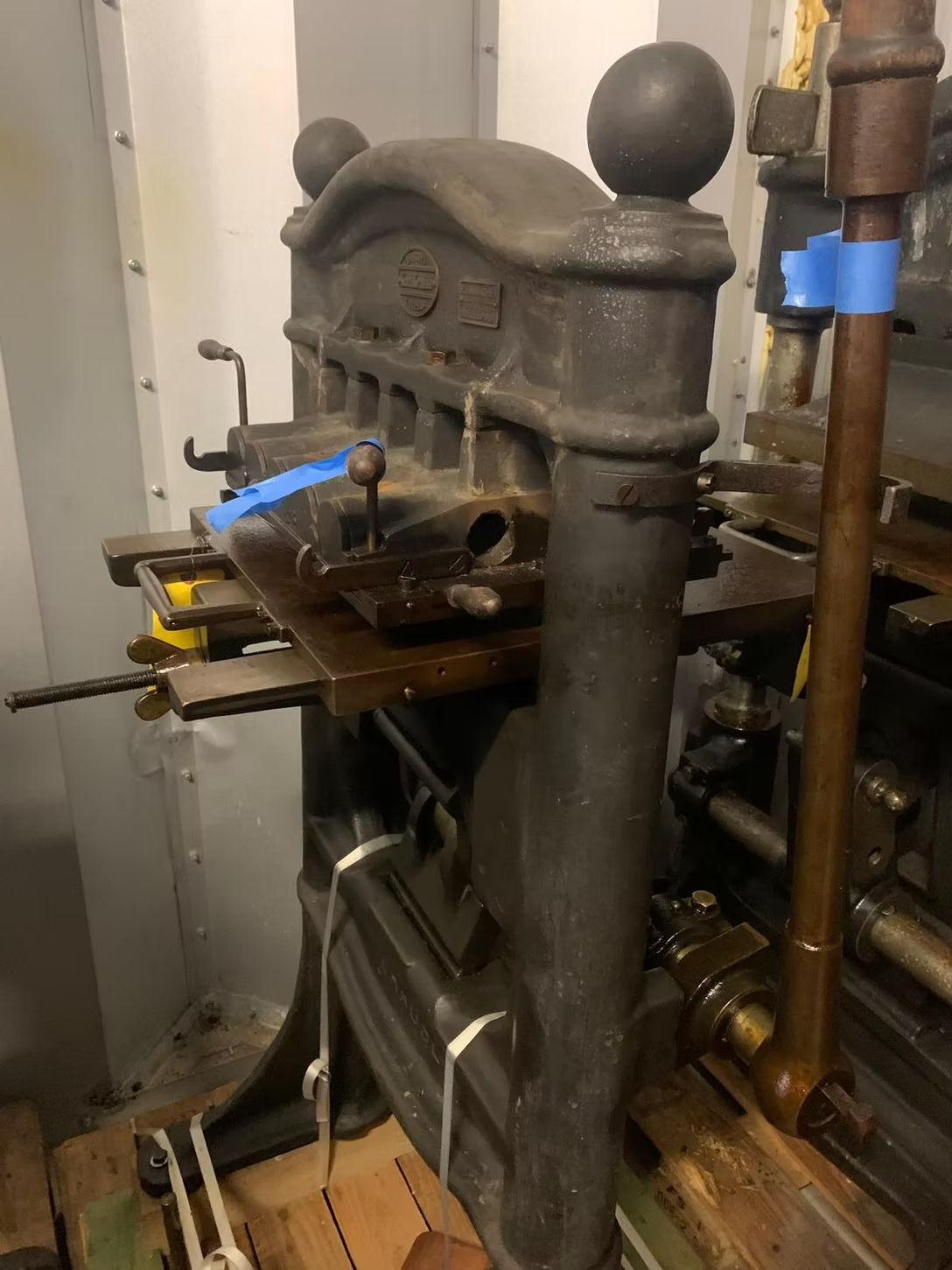
6-J-6 1875, Karl Kreus foil stamper Leipzig , Germany
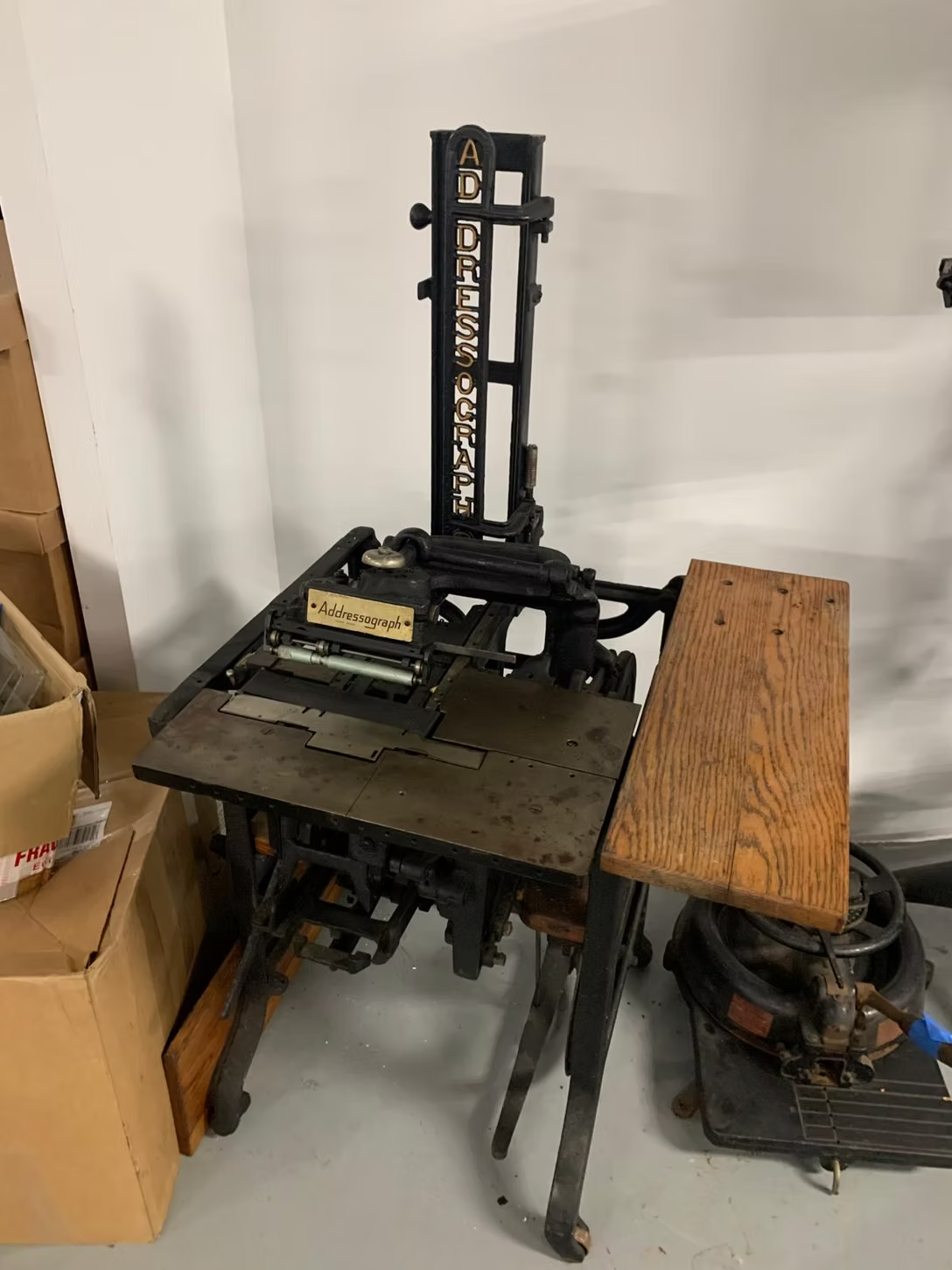
6-J-7 1958 , Addresograph MULTIGRAPHICA envelope hand feeder
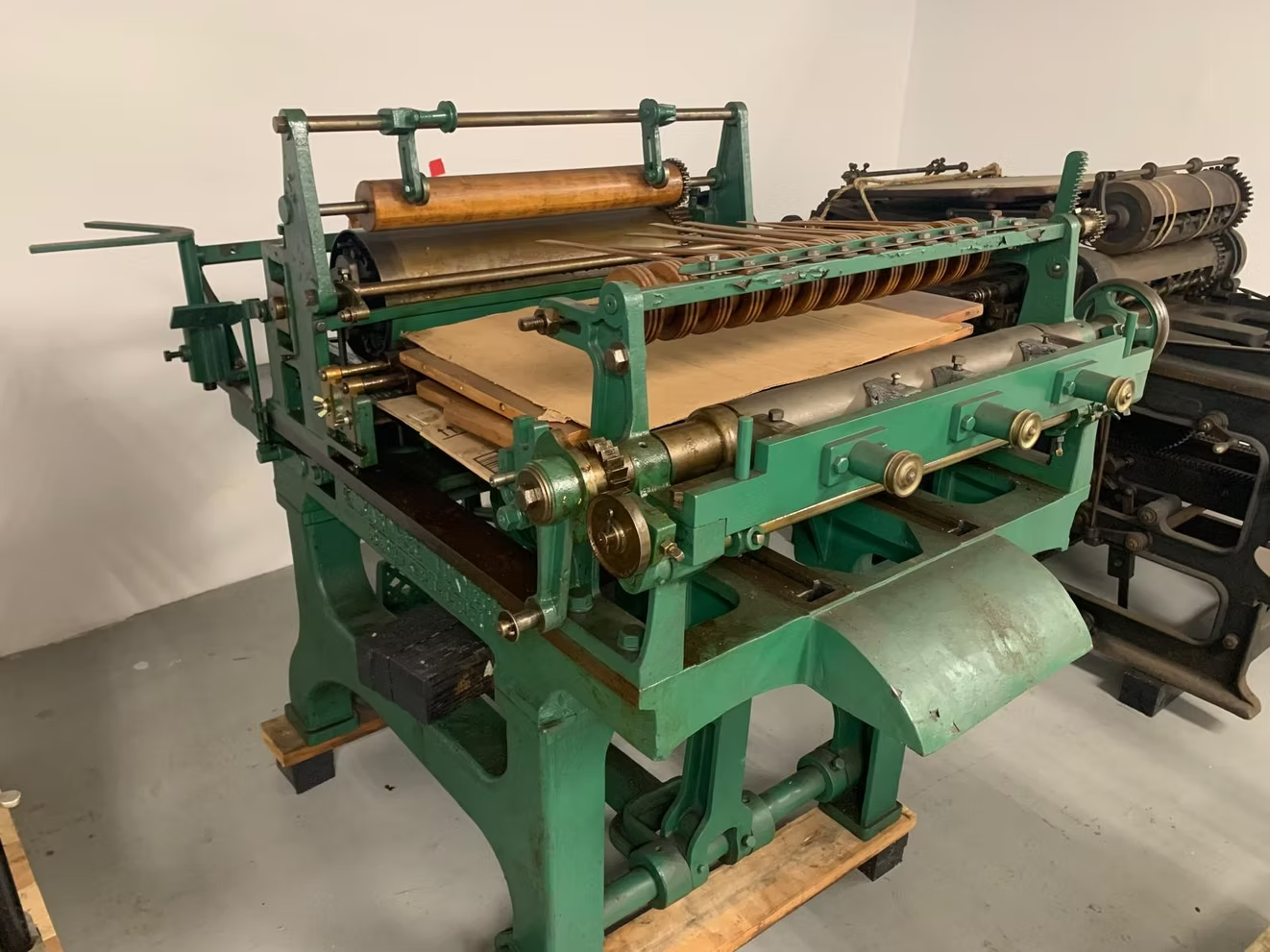
6-J-8 unidentified machine
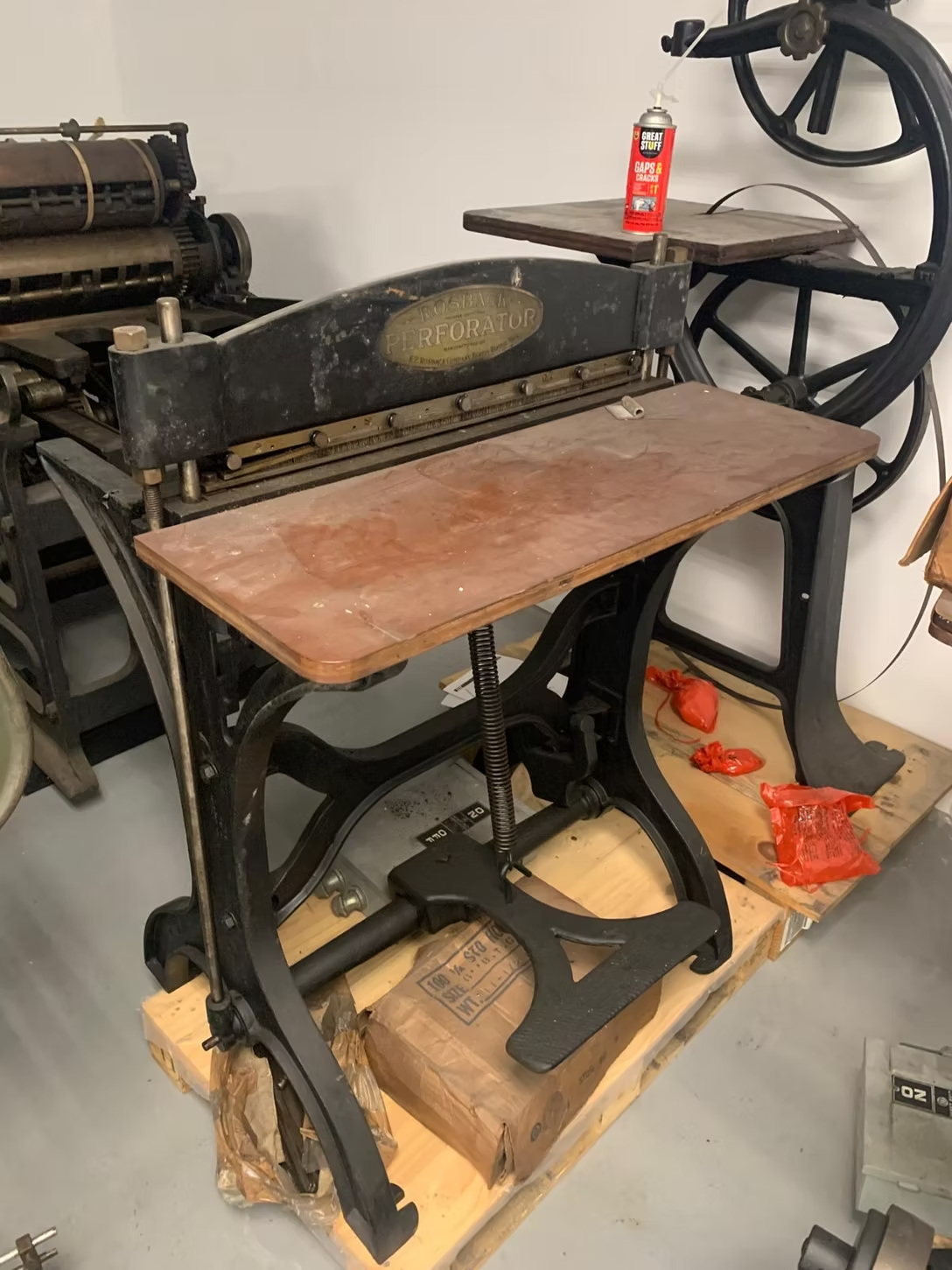
6-J-9 1920, Rossbach perforator manual , pedal Operated
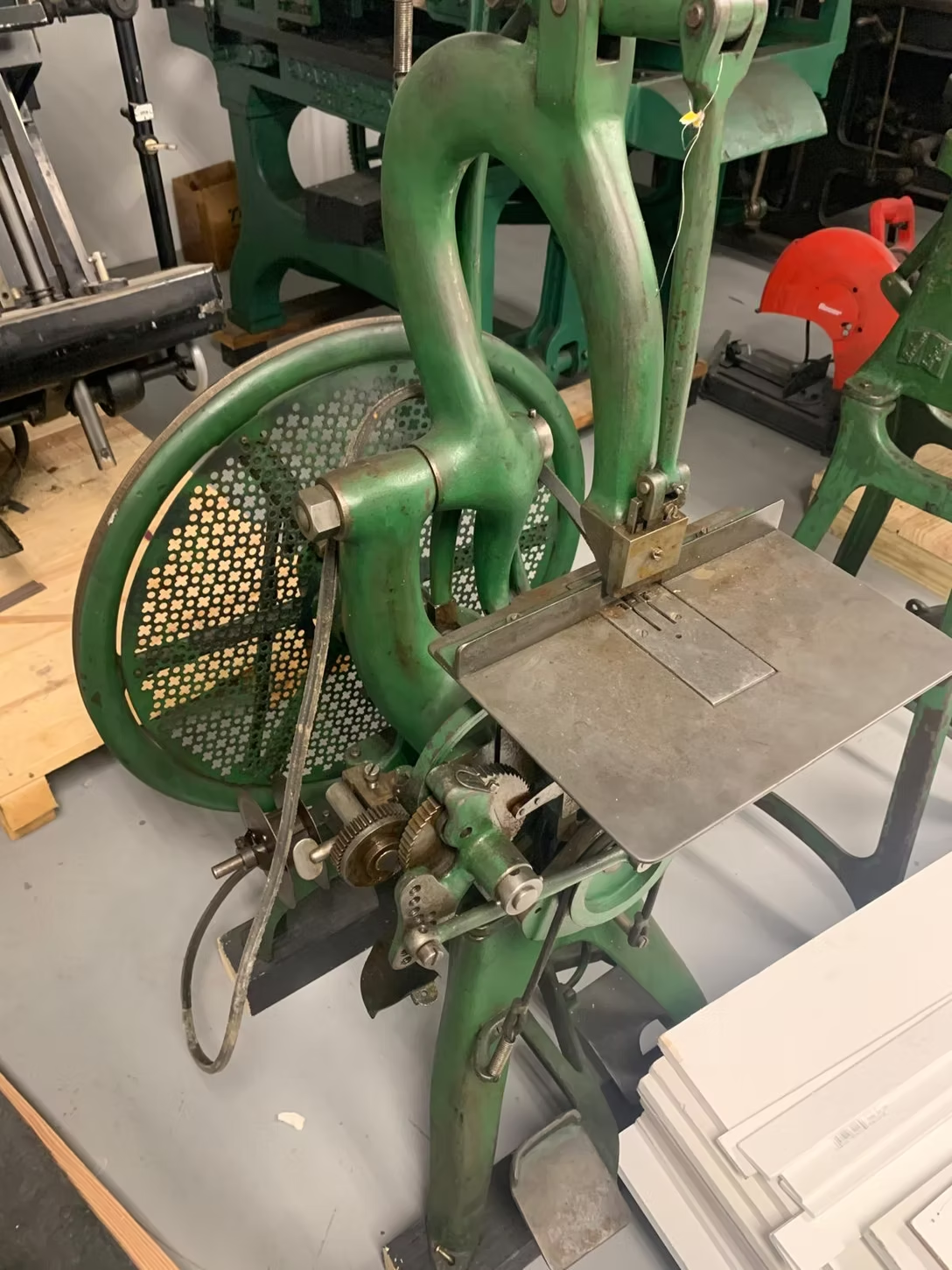
6-J-10 1920, Leipzig , Germany , Gobrunder Brehmer stitcher perforator, electeic
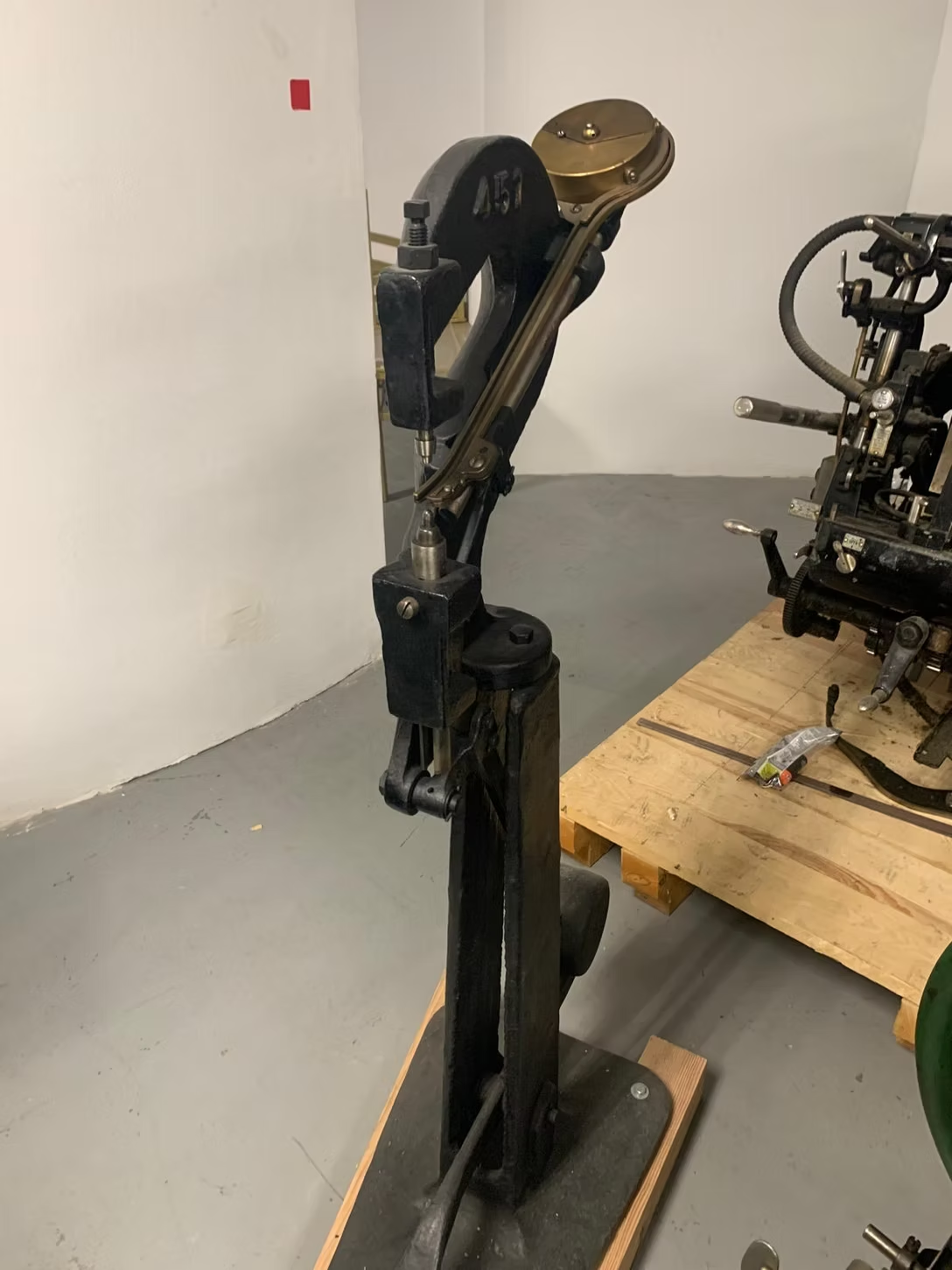
6-J-11 1928, Edwin B Stimson Co , Brooklyn , n y , punch groomer X, manual , pedal Operated
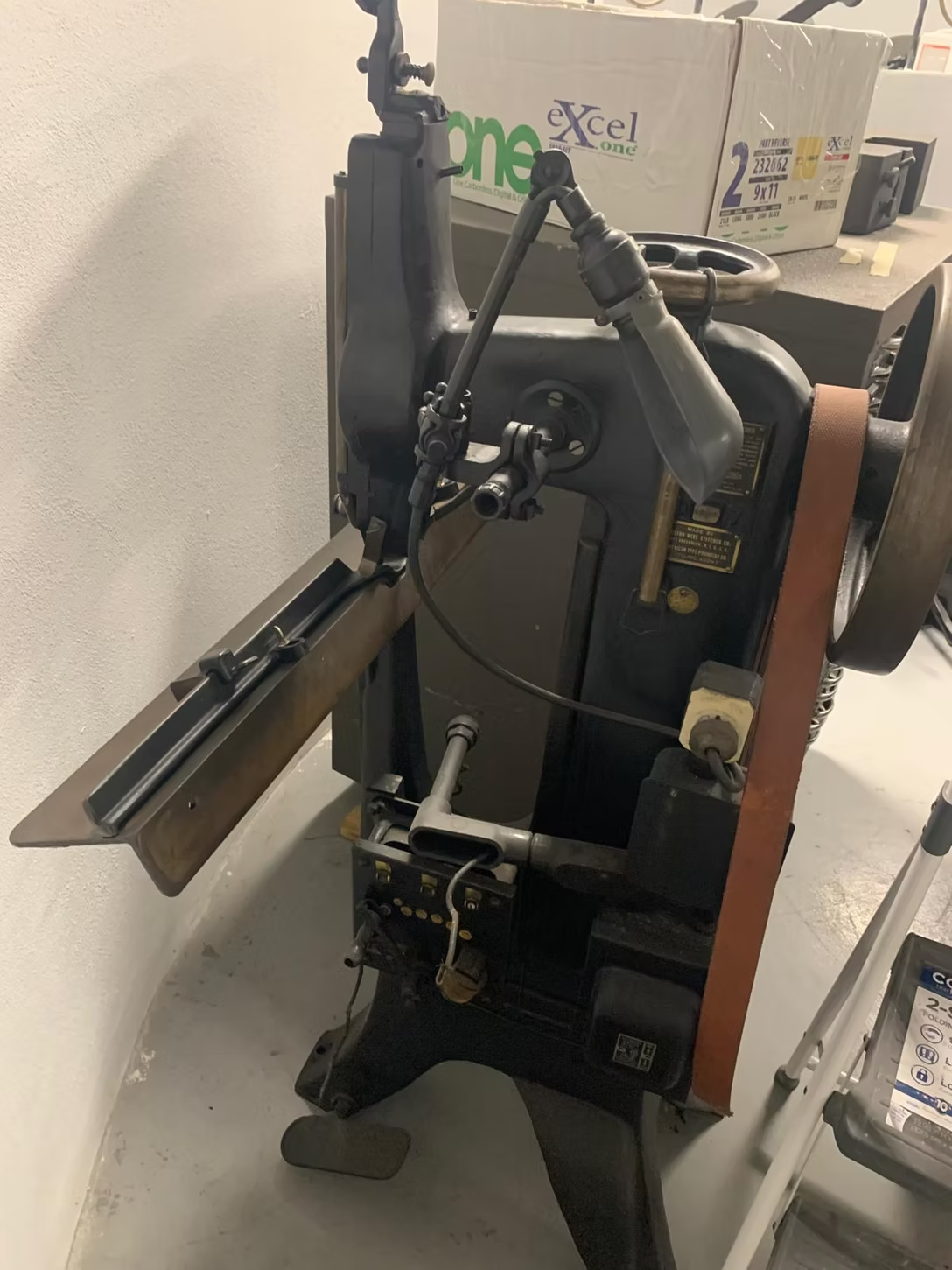
6-J-12 Cerca 1920, Boston wire stitcher , mfg American Type Founders, east Greenwich , R I Us
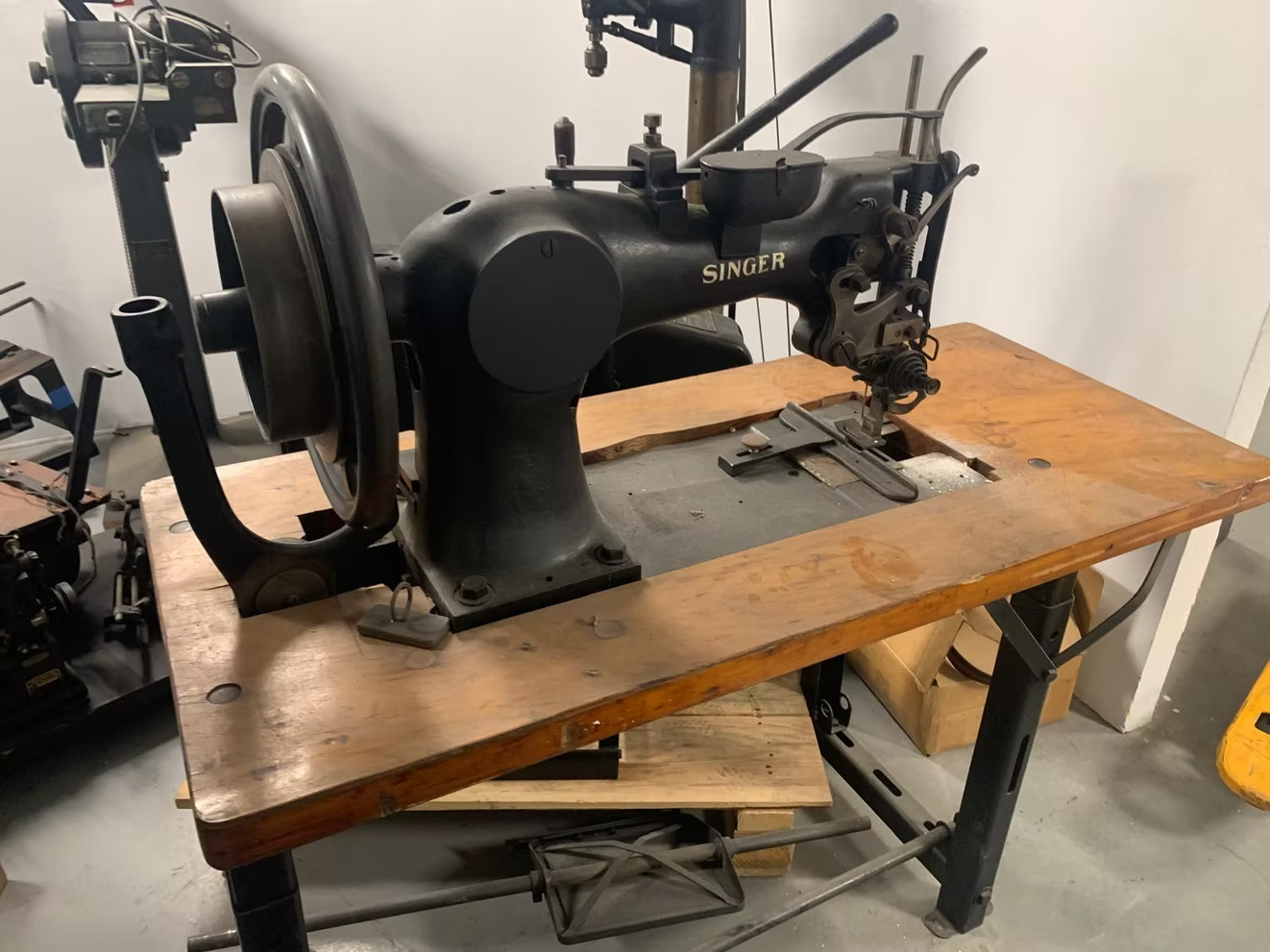
6-J-13 1928, Singer stitcher sewing , book binder . Pedal Operated
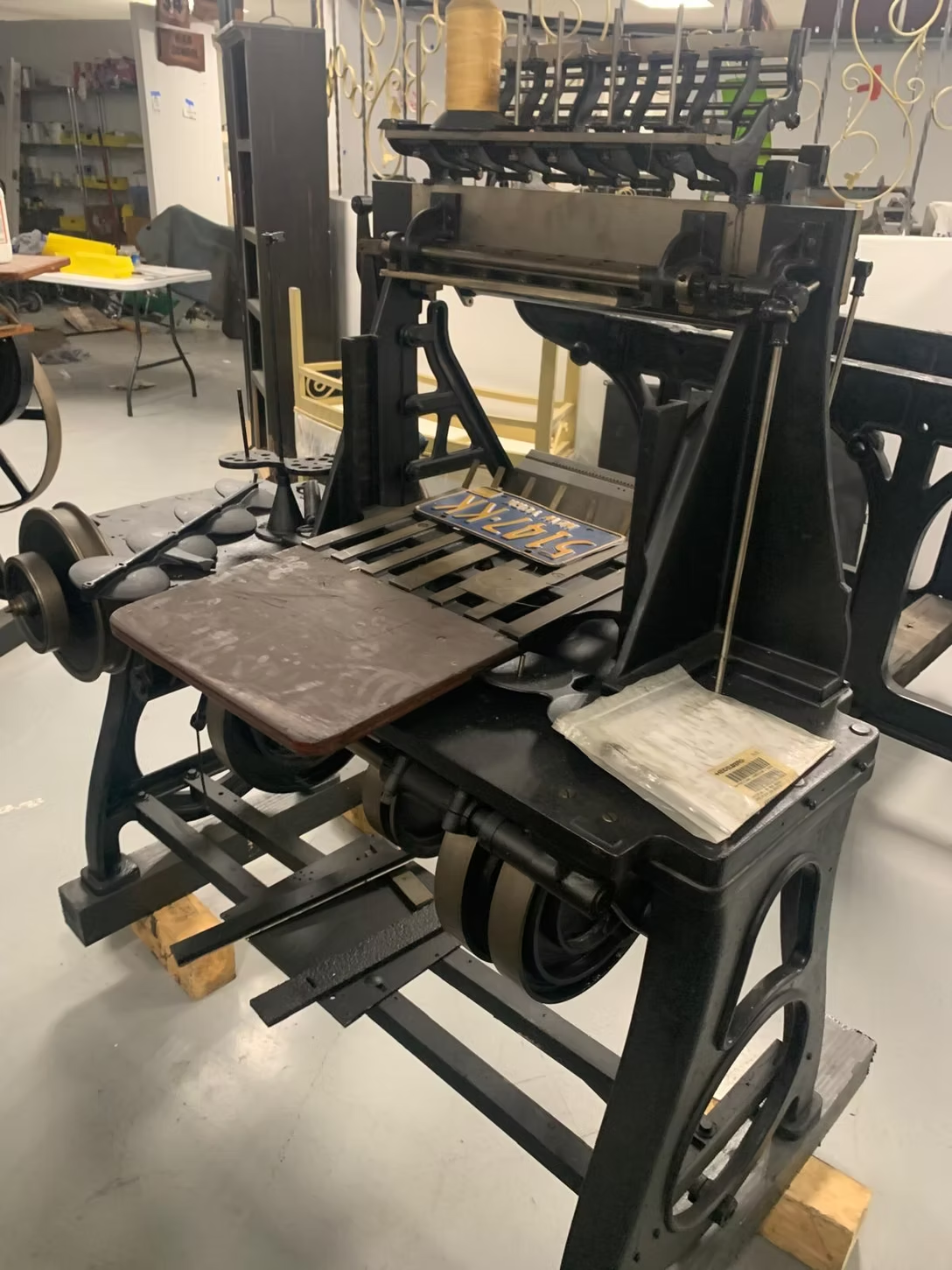
6-J-14 1920, multiple perforator, stitcher ,manual